

Yo, what's up everyone? As a supplier of IGBT modules, I'm here to break down the latest scoop on new tech in IGBT module development. This is gonna be an exciting ride, so let's dive right in.
First off, let's talk about what IGBT modules are for those of you who might be new to the game. IGBT stands for Insulated Gate Bipolar Transistor. These bad boys are a key component in power electronics. They're used in a whole bunch of applications, from electric vehicles to renewable energy systems, and even in industrial motor drives. Their job is to control and convert electrical power efficiently.
Now, onto the new technologies. One of the most significant advancements we're seeing is in the area of semiconductor materials. Traditionally, silicon has been the go - to material for IGBTs. But lately, there's been a lot of buzz around wide - bandgap semiconductors like silicon carbide (SiC) and gallium nitride (GaN). These materials offer some major advantages over silicon.
SiC, for example, has a much higher breakdown voltage, which means it can handle more power without breaking down. It also has better thermal conductivity, allowing for more efficient heat dissipation. This is a game - changer in high - power applications, as it means we can design smaller and more efficient IGBT modules. GaN, on the other hand, has a high electron mobility, which enables faster switching speeds. This is super important in applications where high - frequency operation is required, like in some types of power converters.
Another cool technology is the use of advanced packaging techniques. In the past, IGBT modules had relatively bulky packaging. But now, with the development of technologies like 3D packaging, we're able to stack multiple layers of chips and components within a single module. This not only reduces the overall size of the module but also improves electrical performance. By reducing the distance between components, we can minimize parasitic inductance and resistance, which in turn leads to better efficiency and lower losses.
There's also been progress in the area of smart IGBT modules. These modules come with built - in sensors and control circuits. The sensors can monitor things like temperature, current, and voltage in real - time. This data is then used by the control circuits to adjust the operating parameters of the IGBT module. For example, if the temperature gets too high, the module can reduce its power output to prevent damage. This kind of self - regulating ability is really useful in applications where reliability is crucial.
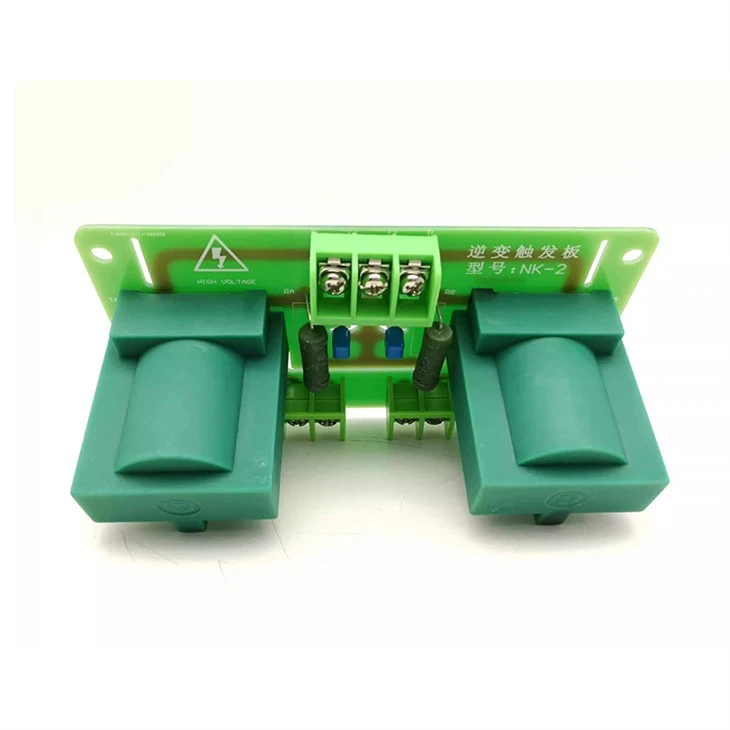
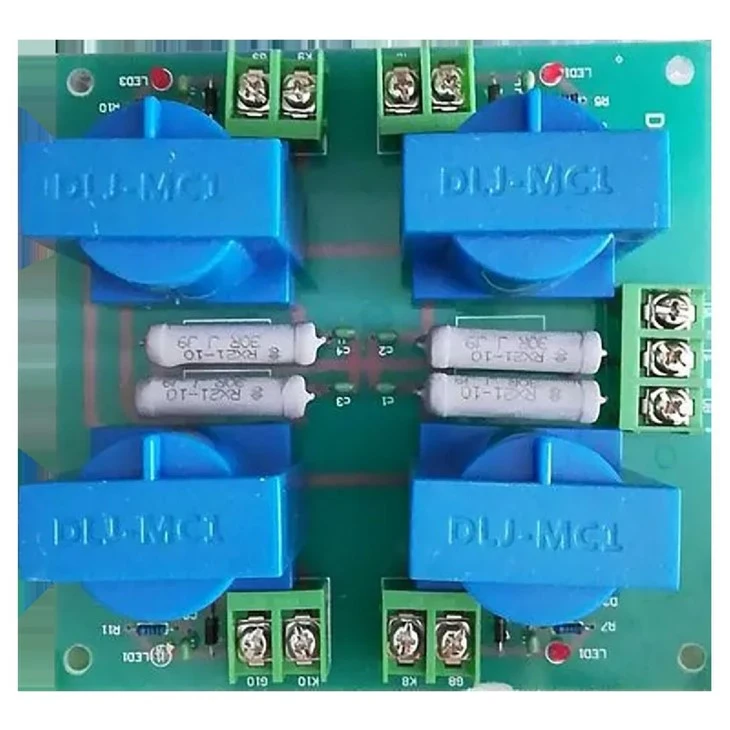
Now, let's talk about some related accessories that we can offer. We have some great options like Water Cooled Cable For Furnace. These cables are designed to handle high - power applications and are cooled by water to prevent overheating. Another accessory is the Kp Thyristor. Thyristors are another type of power semiconductor device that can work in conjunction with IGBT modules in some power - control applications. And we also have the Furnace Pulse Transformer Board, which is essential for providing the right kind of electrical pulses in furnace applications.
So, why should you choose our IGBT modules and accessories? Well, for starters, we're always on top of the latest technologies. We invest a lot in research and development to make sure our products are at the cutting - edge. Our products are also rigorously tested to ensure high quality and reliability. Whether you're working on a small - scale project or a large - scale industrial application, we have the right solutions for you.
If you're in the market for IGBT modules, or any of the accessories I mentioned, we'd love to talk to you. We can have a detailed discussion about your specific requirements and help you find the best products for your needs. Don't hesitate to reach out and start a conversation about procurement. Let's work together to make your project a success.
References
- "Power Electronics: Converters, Applications, and Design" by Ned Mohan, Tore M. Undeland, and William P. Robbins
- Various industry whitepapers on IGBT technology and semiconductor advancements