

Polytetrafluoroethylene (PTFE) sheets are well - known in various industries for their unique properties such as high chemical resistance, low friction coefficient, and excellent thermal stability. One question that often comes up among our clients is whether PTFE sheets can be bent easily. As a leading supplier of PTFE sheets, we have in - depth knowledge and practical experience to address this query.
Understanding the Material Properties of PTFE Sheets
PTFE is a synthetic fluoropolymer of tetrafluoroethylene. Its molecular structure consists of carbon atoms surrounded by fluorine atoms, which gives it remarkable chemical inertness and low surface energy. These features make PTFE sheets suitable for a wide range of applications, from industrial gaskets to food - processing equipment.
When it comes to the bendability of PTFE sheets, we need to consider several factors. First, the thickness of the PTFE sheet plays a crucial role. Generally, thinner PTFE sheets are more flexible and easier to bend compared to thicker ones. For instance, a 0.1 - millimeter thick PTFE sheet can be bent with relative ease, even by hand in some cases. On the other hand, a 5 - millimeter thick PTFE sheet will require more force and specialized bending equipment.
The temperature also affects the bendability of PTFE sheets. PTFE has a relatively high glass - transition temperature. At room temperature, PTFE is semi - crystalline, which gives it a certain degree of stiffness. However, as the temperature increases, the polymer chains become more mobile, and the material becomes more pliable. Heating the PTFE sheet to an appropriate temperature can significantly improve its bendability.
Bending PTFE Sheets: Manual vs. Machine Methods
Manual Bending
For thin PTFE sheets, manual bending is a viable option. This method is simple and cost - effective, especially for small - scale projects or prototypes. However, it requires careful handling to avoid cracking or creating uneven bends. When manually bending a PTFE sheet, it is important to apply a smooth and even force. Start by marking the bending line accurately and then gradually bend the sheet along this line. If the sheet shows signs of resistance, it may be necessary to pre - heat it slightly using a heat gun.

Machine Bending
For thicker PTFE sheets or when high precision is required, machine bending is the preferred method. There are different types of machines that can be used for bending PTFE sheets, such as press brakes and roll benders.
Press brakes work by clamping the PTFE sheet between a punch and a die and then applying force to create the desired bend. This method is suitable for making sharp bends and can achieve high precision. Roll benders, on the other hand, use a series of rolls to gradually bend the PTFE sheet into a curved shape. This is ideal for creating circular or cylindrical components.
Applications of Bent PTFE Sheets
Bent PTFE sheets have a wide range of applications in different industries.
In the chemical industry, bent PTFE sheets are used to create custom - shaped gaskets and seals. These components need to fit precisely into complex machinery and equipment to prevent leakage of corrosive chemicals. The chemical resistance of PTFE ensures that the gaskets and seals can withstand harsh chemical environments for a long time.
In the electronics industry, bent PTFE sheets are used as insulators. Their low dielectric constant and high electrical insulation properties make them ideal for applications where electrical isolation is crucial. For example, they can be bent to fit around electrical wires or components to prevent short - circuits.
In the food - processing industry, bent PTFE sheets are used to line conveyor belts and other equipment. The non - stick surface of PTFE makes it easy to clean and prevents food from sticking, ensuring high - quality food production.
Complementary Products in Related Industries
As a supplier, we also understand the importance of complementary products in related industries. For example, in the induction furnace industry, we can provide some useful accessories. You can find our Hydraulic Station, which is an essential part of many induction furnace systems. It provides the necessary hydraulic power for various operations, ensuring smooth and efficient functioning of the furnace.
Our Stainless Steel Bolts are also of high quality. They are used to secure different parts of the induction furnace, providing reliable fastening and preventing any potential loosening during operation.
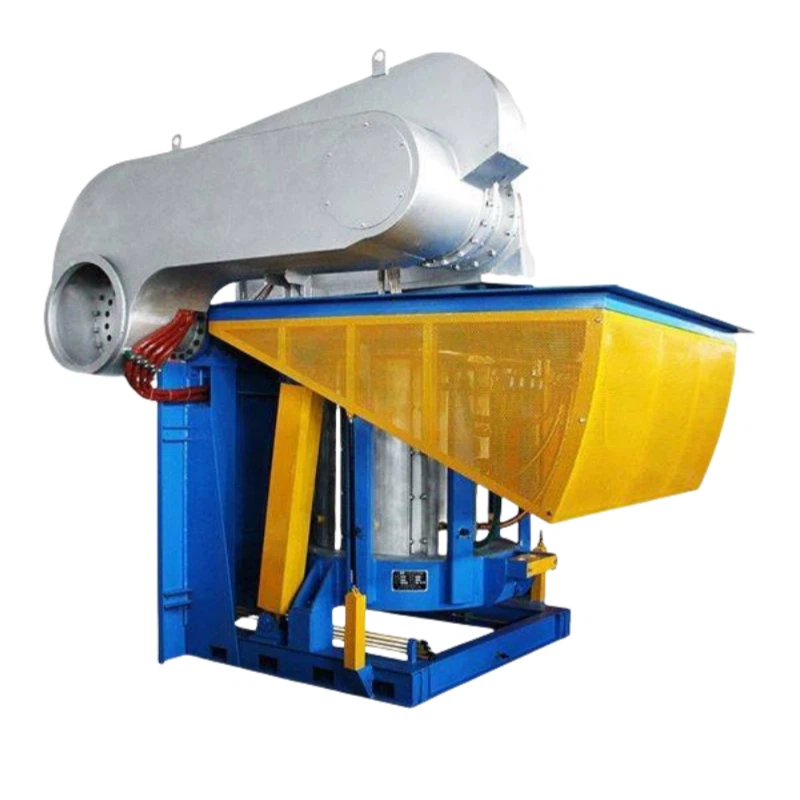
Another important accessory is the Induction Furnace Dust Removal Hood. It helps to capture and remove dust and fumes generated during the induction melting process, creating a cleaner and safer working environment.
Tips for Bending PTFE Sheets Successfully
- Pre - heating: As mentioned earlier, pre - heating the PTFE sheet can improve its bendability. However, it is important to control the heating temperature. Overheating can cause the PTFE to degrade, losing its desirable properties.
- Use proper tools: Whether you are bending the sheet manually or using a machine, make sure to use the right tools. For example, when using a press brake, choose the appropriate punch and die set for the thickness and type of bend you want to achieve.
- Inspect the sheet: Before bending, carefully inspect the PTFE sheet for any defects such as cracks or uneven thickness. These defects can affect the bending process and may lead to the formation of weak points in the bent sheet.
Conclusion
In conclusion, PTFE sheets can be bent, but the ease of bending depends on factors such as thickness and temperature. Thinner sheets are generally easier to bend, and pre - heating can improve the bendability of both thin and thick sheets. There are manual and machine methods available for bending PTFE sheets, each with its own advantages.
As a PTFE sheet supplier, we are committed to providing high - quality products and technical support to our clients. If you are interested in purchasing PTFE sheets or need more information about bending them, please feel free to contact us for a detailed discussion. We look forward to working with you to meet your specific requirements.
References
- "Handbook of Fluoropolymer Science and Technology" by Harry L. Resnik
- "Plastics Engineering Handbook" by Donald V. Rosato