

Do carbon free rubber hoses have a high tear strength?
In the dynamic landscape of industrial components, carbon free rubber hoses have emerged as a remarkable innovation, capturing the attention of industries worldwide. As a supplier deeply entrenched in the production and distribution of these hoses, I am frequently confronted with a pivotal question: Do carbon free rubber hoses possess high tear strength? This query is not merely academic; it holds the key to understanding the practical viability and long - term performance of these hoses in various applications.
To embark on this exploration, it is essential to understand the composition of carbon free rubber hoses. Traditional rubber hoses often rely on carbon black as a reinforcing agent. Carbon black has long been a staple in the rubber industry due to its ability to enhance the mechanical properties of rubber, including tear strength. However, the shift towards carbon free alternatives is driven by environmental concerns, regulatory requirements, and the pursuit of more sustainable manufacturing processes.
Carbon free rubber hoses are formulated using alternative reinforcing materials and additives. These may include silica, nanocellulose, and other organic or inorganic compounds. The choice of these materials is carefully considered to replicate or even surpass the performance characteristics of traditional carbon - reinforced hoses.
When it comes to tear strength, several factors come into play. Tear strength is defined as the force required to propagate a tear in a rubber material. In the context of hoses, high tear strength is crucial as it determines the hose's ability to withstand sharp objects, abrasion, and internal or external pressures without tearing apart.
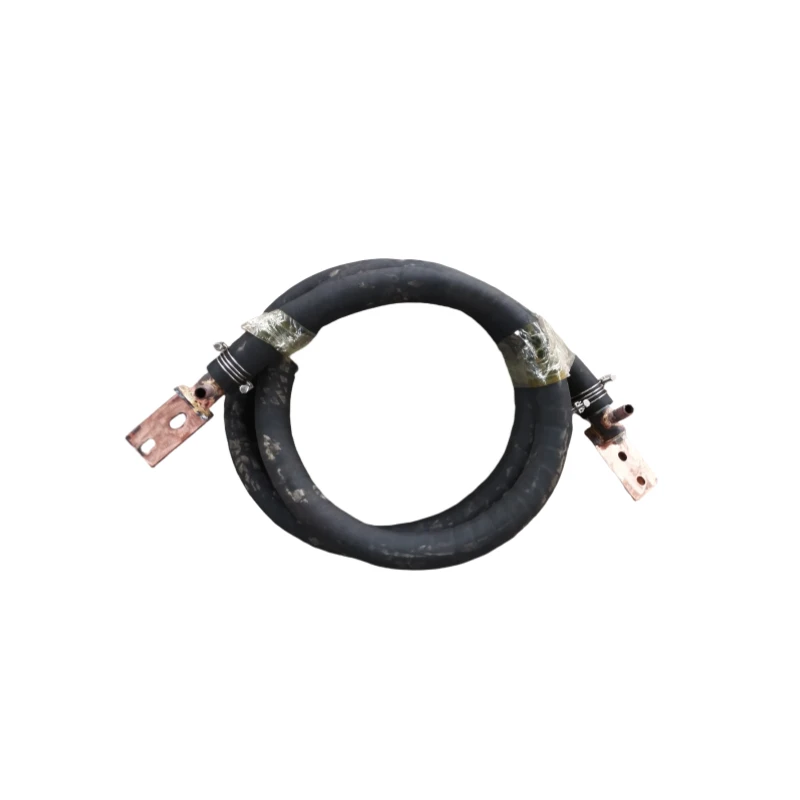
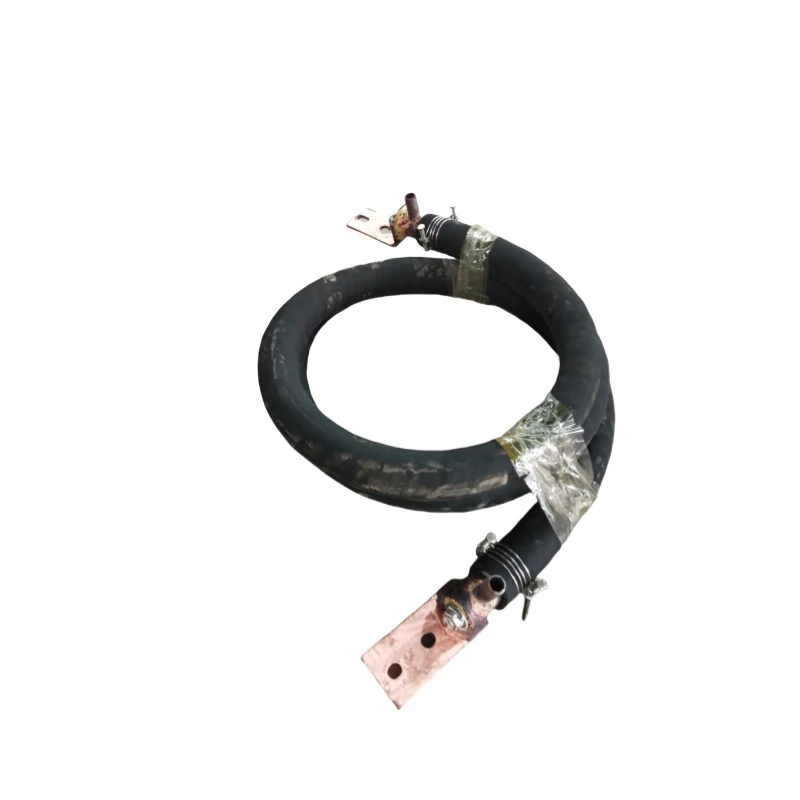
One of the primary advantages of carbon free rubber hoses is their potential for high tear strength. Modern manufacturing techniques and the use of advanced reinforcing materials have enabled the production of hoses with tear strength comparable to or exceeding that of traditional carbon - black reinforced hoses. For instance, silica - reinforced rubber hoses can form strong bonds within the rubber matrix, providing excellent resistance to tearing. Silica particles act as cross - linking points, distributing stress evenly across the material and preventing the propagation of tears.
Nanocellulose, another promising alternative, offers unique advantages. It has a high aspect ratio and can be dispersed uniformly within the rubber matrix. This uniform dispersion enhances the material's structural integrity, making it more resistant to tearing. Additionally, nanocellulose is a renewable resource, aligning with the sustainability goals of many industries.
In real - world applications, the high tear strength of carbon free rubber hoses becomes even more evident. In the automotive industry, for example, hoses are exposed to a variety of harsh conditions, including high temperatures, vibrations, and contact with sharp engine components. Carbon free rubber hoses with high tear strength can withstand these conditions, reducing the risk of leaks and failures. This not only improves the reliability of the vehicle but also contributes to overall safety.
In the construction industry, hoses are used for various purposes, such as transporting water, concrete, and other materials. These hoses are often dragged across rough surfaces and may come into contact with sharp edges. A hose with high tear strength can endure these conditions, ensuring a continuous and efficient flow of materials.
The high tear strength of carbon free rubber hoses also has implications for the mining and oil and gas industries. In these sectors, hoses are subjected to extreme pressures and abrasive materials. A tear in a hose can lead to significant downtime, environmental hazards, and financial losses. Carbon free rubber hoses with high tear strength provide a reliable solution, reducing the frequency of hose replacements and maintenance costs.
It is important to note that the tear strength of carbon free rubber hoses can vary depending on the specific formulation and manufacturing process. As a supplier, we invest heavily in research and development to optimize the tear strength of our hoses. We conduct rigorous testing using industry - standard methods to ensure that our hoses meet or exceed the required specifications.
In addition to tear strength, carbon free rubber hoses offer other benefits. They are more environmentally friendly, as they reduce the carbon footprint associated with their production. They also have better resistance to aging, ozone, and chemicals, which further extends their service life.
When considering the overall performance of carbon free rubber hoses, it is also worth mentioning some related products in the industrial accessories market. For instance, Laminated Busbar is an important component in induction power supply systems. It provides a low - impedance path for electrical current, improving the efficiency and reliability of the system. Similarly, Water Cooled Cable For Furnace is essential for high - temperature applications in furnaces, ensuring proper cooling and preventing overheating. Another important accessory is the Control Transformer, which is used to step down the voltage for control circuits, enhancing the safety and functionality of electrical systems.
As a supplier of carbon free rubber hoses, we are committed to providing our customers with high - quality products. Our hoses are designed to meet the diverse needs of different industries, and we offer customized solutions based on specific requirements. Whether you are in the automotive, construction, mining, or any other industry, our carbon free rubber hoses with high tear strength can provide a reliable and sustainable solution.
If you are interested in learning more about our carbon free rubber hoses or would like to discuss potential applications, we encourage you to reach out to us. Our team of experts is ready to assist you in making the right choice for your business. We believe that by working together, we can contribute to a more sustainable and efficient industrial future.
References
- "Rubber Technology: Compounding, Testing, and Applications" by Charles W. Paul.
- "Advances in Rubber Technology" edited by A. K. Bhowmick and H. L. Stephens.
- Industry reports on sustainable industrial materials and components.