

Hey there! As a supplier of carbon free rubber hoses, I've gotten a ton of questions about how these hoses hold up in corrosive environments. So, I thought I'd share some insights based on my experience and the knowledge I've gathered over the years.
First off, let's talk about what makes carbon free rubber hoses different. Unlike traditional rubber hoses, carbon free rubber hoses are made without carbon black, which is a common filler in rubber manufacturing. This not only makes them more environmentally friendly but also gives them some unique properties that are great for corrosive environments.
One of the key advantages of carbon free rubber hoses is their chemical resistance. Carbon black can sometimes react with certain chemicals, leading to degradation of the rubber. Without carbon black, carbon free rubber hoses are less likely to react with corrosive substances, which means they can last longer in harsh chemical environments. For example, in industries where there's a lot of exposure to acids, alkalis, or solvents, carbon free rubber hoses can provide reliable performance.
Another important factor is the flexibility of carbon free rubber hoses. They tend to be more flexible than hoses with carbon black, which makes them easier to install and maneuver in tight spaces. This flexibility also helps to reduce stress on the hose, which can prevent cracking and other forms of damage that can be caused by bending or twisting. In a corrosive environment, where the hose may be exposed to vibrations or movement, this flexibility can be a real lifesaver.
But how do they actually perform in real - world corrosive situations? Well, I've seen carbon free rubber hoses used in a variety of industries, from chemical processing plants to food and beverage production. In chemical processing, where hoses are often exposed to strong acids and bases, carbon free rubber hoses have shown excellent resistance. They can withstand the constant flow of corrosive liquids without significant degradation, which means less downtime for hose replacement and maintenance.
In the food and beverage industry, carbon free rubber hoses are a great choice because they are non - toxic and don't contaminate the products being transported. They can handle cleaning agents and sanitizers used in the industry without losing their integrity, ensuring that the hoses remain safe for use.
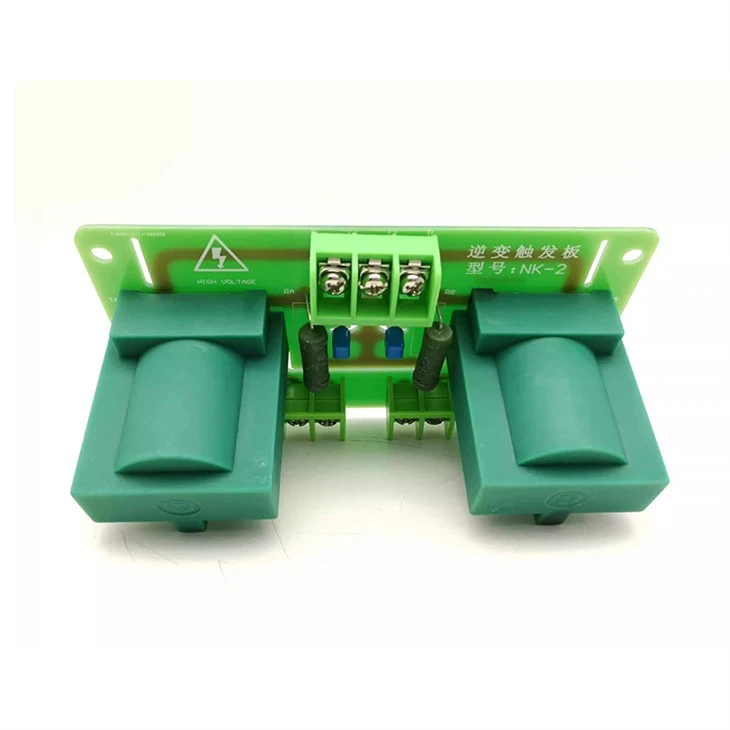
Now, let's take a look at some of the accessories that can work well with carbon free rubber hoses. For example, the Furnace Pulse Transformer Board can be used in conjunction with carbon free rubber hoses in industrial heating applications. These boards help to control the power supply and ensure that the hoses are operating under the right conditions, even in a corrosive environment.
The Induction Heating Capacitor is another useful accessory. It can store and release electrical energy, which is important in applications where there are fluctuations in power. This can help to protect the carbon free rubber hoses from damage caused by power surges or inconsistent power supply.
And then there's the Filter Reactor. It helps to filter out unwanted electrical frequencies, which can be especially important in a corrosive environment where electrical interference can be more common. By using these accessories, you can enhance the performance of your carbon free rubber hoses and make them even more reliable in corrosive conditions.
Of course, like any product, carbon free rubber hoses do have some limitations. They may not be suitable for extremely high - temperature corrosive environments, as the rubber can start to break down at very high temperatures. However, for most common corrosive applications, they offer a great balance of performance and durability.
When it comes to choosing the right carbon free rubber hose for your corrosive environment, there are a few things to consider. You need to think about the type of corrosive substances the hose will be exposed to, the temperature and pressure of the environment, and the flow rate of the fluid being transported. It's also a good idea to work with a supplier who can provide you with expert advice and help you select the best hose for your specific needs.
In conclusion, carbon free rubber hoses offer a lot of benefits in corrosive environments. Their chemical resistance, flexibility, and compatibility with various accessories make them a great choice for many industries. If you're looking for a reliable solution for your corrosive applications, I'd highly recommend considering carbon free rubber hoses.

If you're interested in learning more about our carbon free rubber hoses or want to discuss your specific requirements, feel free to reach out. We're here to help you find the perfect hose for your needs and ensure that you get the best performance in your corrosive environment.
References
- "Rubber Technology Handbook" by Werner Hofmann
- Industry reports on rubber hose performance in corrosive environments