

As a trusted supplier of induction heating capacitors, I've witnessed firsthand the critical role these components play in various industrial applications. One of the most significant factors that can influence the performance and longevity of an induction heating capacitor is its maximum operating temperature. In this blog, I'll delve into how the maximum operating temperature of an induction heating capacitor affects its lifespan, offering insights based on scientific understanding and practical experience.

Understanding Induction Heating Capacitors
Induction heating capacitors are essential components in induction heating systems. They store and release electrical energy in the form of an oscillating current, which is used to generate the magnetic field necessary for heating conductive materials. These capacitors must operate efficiently under high - frequency conditions and often in demanding industrial environments.
The Relationship between Temperature and Capacitor Lifespan
The lifespan of an induction heating capacitor is closely tied to its operating temperature. When a capacitor operates, it dissipates power in the form of heat due to internal resistance. As the temperature rises, several physical and chemical processes within the capacitor are accelerated, which can lead to premature failure.
Dielectric Breakdown
The dielectric material inside a capacitor is responsible for insulating the two conductive plates and storing electrical energy. At elevated temperatures, the dielectric's insulating properties can degrade. The molecules in the dielectric material become more active, and the probability of electrical breakdown increases. When a dielectric breakdown occurs, the capacitor can no longer function properly, and it may short - circuit or fail completely. According to industry standards, for every 10°C increase in temperature above the rated maximum, the rate of dielectric breakdown can double. This exponential relationship clearly shows how quickly a capacitor's lifespan can be reduced at high temperatures.
Electrolyte Evaporation (for Electrolytic Capacitors)
In electrolytic induction heating capacitors, an electrolyte is used to enhance the capacitance. High temperatures can cause the electrolyte to evaporate. As the electrolyte level decreases, the capacitor's capacitance value drops, and its equivalent series resistance (ESR) increases. An increase in ESR leads to more power dissipation in the form of heat, creating a vicious cycle that further accelerates the degradation of the capacitor. Eventually, the capacitor will no longer be able to meet the electrical requirements of the induction heating system, resulting in system malfunctions.
Aging of Metallized Films (for Film Capacitors)
Film capacitors use metallized films as conductive plates. At high temperatures, the metal layer on the film can oxidize, and the film itself can become brittle. Oxidation increases the resistance of the conductive layer, while the brittleness of the film can lead to cracking. These changes not only reduce the capacitor's electrical performance but also increase the risk of internal short - circuits. Over time, these issues can cause the capacitor to fail, significantly shortening its lifespan.
Impact on System Reliability and Efficiency
The reduced lifespan of induction heating capacitors due to high temperatures can have a cascading effect on the entire induction heating system. As capacitors fail, the system may experience power fluctuations, reduced heating efficiency, and increased downtime for maintenance and replacement. This not only leads to increased costs but also affects the productivity of the industrial processes that rely on the induction heating system.
For example, in an industrial forging process, a sudden capacitor failure can interrupt the heating cycle, causing the workpiece to cool prematurely. This can result in defective products and wasted materials. Moreover, the need to replace failed capacitors frequently adds to the overall operating costs of the system.
Strategies to Mitigate the Impact of High Temperatures
To extend the lifespan of induction heating capacitors, it's crucial to control the operating temperature. Here are some effective strategies:
Adequate Cooling Systems
Implementing a proper cooling system is essential. Water - cooled systems are commonly used in induction heating applications. Water has a high specific heat capacity, which means it can absorb a large amount of heat without a significant temperature increase. Water Cooled Cable For Furnace can be used to transfer heat away from the capacitor and other components in the system. By maintaining a low and stable temperature, the risk of thermal degradation is significantly reduced.
Proper Ventilation
Good ventilation can also help dissipate heat. Ensuring that the induction heating system is installed in a well - ventilated area or using fans to circulate air can prevent heat from accumulating around the capacitors. This simple measure can make a big difference in maintaining the optimal operating temperature of the capacitors.
Selecting High - Temperature - Rated Capacitors
When designing an induction heating system, it's important to select capacitors with a high maximum operating temperature rating. These capacitors are designed to withstand higher temperatures without significant degradation. Although they may be more expensive upfront, they can provide a longer lifespan and greater reliability in the long run.
Monitoring and Control
Regularly monitoring the temperature of the induction heating capacitors can help detect potential problems early. Temperature sensors can be installed near the capacitors to continuously measure the temperature. If the temperature exceeds the recommended limit, the system can be adjusted, or an alarm can be triggered to alert operators. Additionally, advanced control systems can automatically adjust the power output of the IGBT Medium Frequency Power Supply to prevent overheating.
The Role of a Reliable Supplier
As a supplier of induction heating capacitors, we understand the importance of providing high - quality products that can withstand various operating conditions. We offer a wide range of capacitors with different maximum operating temperature ratings to meet the diverse needs of our customers. Our technical support team can also assist in selecting the right capacitors for specific applications and provide advice on proper installation and maintenance.
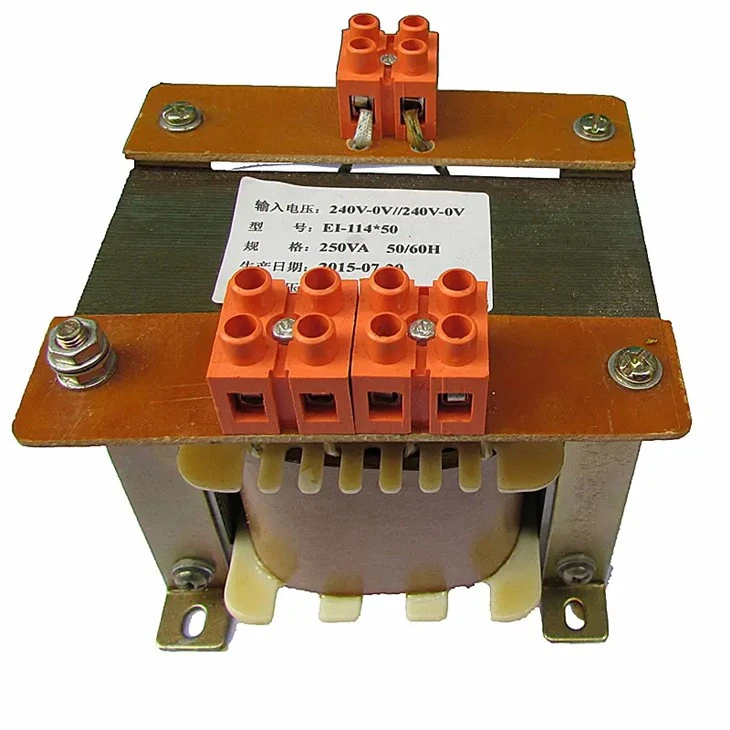
In addition to capacitors, we also supply other essential accessories for induction heating systems, such as Control Transformer. These accessories are designed to work seamlessly with our capacitors, ensuring the overall reliability and efficiency of the induction heating system.
Conclusion
The maximum operating temperature of an induction heating capacitor has a profound impact on its lifespan. High temperatures can accelerate dielectric breakdown, electrolyte evaporation, and film aging, leading to premature capacitor failure. This not only affects the performance of the capacitor itself but also has a negative impact on the reliability and efficiency of the entire induction heating system.
By implementing effective temperature - control strategies and selecting high - quality capacitors from a reliable supplier, industrial users can extend the lifespan of their induction heating capacitors and reduce the overall operating costs of their systems.
If you're looking for high - quality induction heating capacitors or need advice on temperature management in your induction heating system, we're here to help. Contact us to discuss your specific requirements and start a procurement negotiation today.
References
- IEEE Standard for Capacitors for Power Systems.
- Manufacturer's datasheets for induction heating capacitors.
- Industry research reports on the reliability of power electronics components.