

Laminated busbars have become an integral part of modern electrical systems, offering numerous advantages such as reduced inductance, improved power distribution, and enhanced thermal performance. As a supplier of laminated busbars, one of the most common questions I receive from customers is, "How long do laminated busbars last?" In this blog post, I will delve into the factors that influence the lifespan of laminated busbars and provide insights based on my experience in the industry.
Factors Affecting the Lifespan of Laminated Busbars
1. Material Quality
The quality of materials used in the manufacturing of laminated busbars plays a crucial role in determining their lifespan. High - quality copper or aluminum conductors with proper purity levels are essential for good electrical conductivity and resistance to corrosion. Insulating materials, such as polyimide or epoxy, should have excellent dielectric properties and be able to withstand environmental stress. For example, if the copper used has impurities, it can lead to increased resistance, which in turn generates more heat and can accelerate the degradation of the busbar over time.
2. Operating Conditions
The environment in which the laminated busbar operates has a significant impact on its longevity. Temperature is a key factor. High - temperature environments can cause the insulating materials to degrade faster, leading to a loss of dielectric strength. Additionally, excessive heat can cause thermal expansion and contraction of the conductors, which may result in mechanical stress and eventually lead to cracks or delamination.
Humidity is another important consideration. Moisture can penetrate the insulating layers, reducing their effectiveness and potentially causing corrosion of the conductors. In industrial settings where there are chemical pollutants or dust, these contaminants can also adhere to the busbar surface and cause damage over time.
3. Electrical Load
The electrical load that the laminated busbar is subjected to is a critical factor. Overloading the busbar can cause excessive current flow, which generates more heat. Prolonged exposure to high - current conditions can lead to overheating, melting of the conductors, or breakdown of the insulation. It is essential to size the busbar correctly according to the expected electrical load to ensure a long lifespan.
4. Mechanical Stress
Laminated busbars can be exposed to mechanical stress during installation, operation, or transportation. Vibration, shock, and improper mounting can cause the layers of the busbar to separate or the conductors to deform. For example, if the busbar is not properly secured in a vibrating machine, the constant movement can gradually weaken the bonds between the layers and lead to failure.
Typical Lifespan of Laminated Busbars
Under normal operating conditions, a well - designed and properly installed laminated busbar can last anywhere from 15 to 25 years. However, this is a general estimate, and the actual lifespan can vary significantly depending on the factors mentioned above.
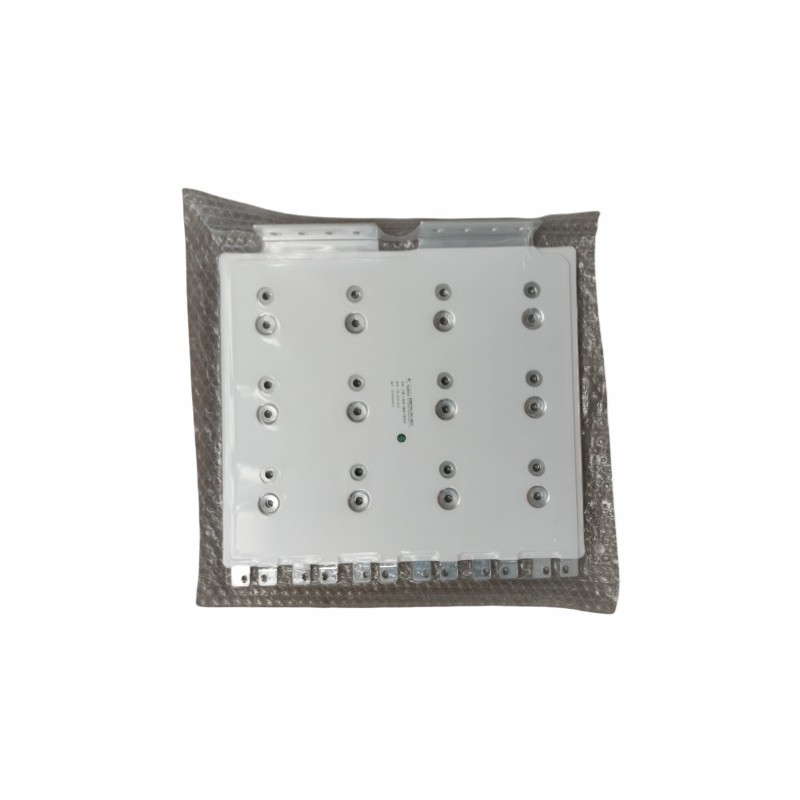

In a stable, low - stress environment with proper electrical loading and minimal exposure to harsh conditions, a laminated busbar may last even longer. On the other hand, in a high - temperature, high - humidity, or high - vibration environment, the lifespan could be significantly reduced, perhaps to as little as 5 - 10 years.
Extending the Lifespan of Laminated Busbars
1. Proper Design and Sizing
Working with experienced engineers during the design phase is crucial. They can ensure that the busbar is sized correctly for the electrical load, taking into account factors such as peak currents and future expansion. A well - designed busbar will have appropriate conductor cross - sections and insulation thickness to handle the expected electrical and thermal stresses.
2. Quality Installation
Proper installation is essential for the long - term performance of laminated busbars. This includes correct mounting, proper torque on connection bolts, and ensuring that the busbar is not exposed to unnecessary mechanical stress during installation. Following the manufacturer's installation guidelines is highly recommended.
3. Regular Maintenance
Regular maintenance can help extend the lifespan of laminated busbars. This may include visual inspections for signs of damage, such as cracks, delamination, or corrosion. Electrical testing, such as measuring insulation resistance and checking for overheating, can also be performed periodically. If any issues are detected early, they can be addressed before they lead to more serious problems.
Applications and Related Accessories
Laminated busbars are widely used in various applications, including power electronics, renewable energy systems, and industrial automation. In these applications, they often work in conjunction with other accessories such as KK Thyristor and Current Transformer.
KK thyristors are semiconductor devices used for controlling electrical power, and laminated busbars are used to connect them efficiently. Current transformers are used for measuring electrical current, and laminated busbars provide a reliable path for the current to flow through the system.
If you are looking for high - quality Laminated Busbar for your application, we are here to help. Our laminated busbars are manufactured using the highest quality materials and advanced manufacturing processes to ensure long - lasting performance and reliability. We can work with you to design and customize busbars that meet your specific requirements.
Conclusion
The lifespan of laminated busbars is influenced by a variety of factors, including material quality, operating conditions, electrical load, and mechanical stress. While a typical lifespan can range from 15 to 25 years under normal conditions, proper design, installation, and maintenance are essential for maximizing their longevity.
If you have any questions about our laminated busbars or need assistance in selecting the right product for your application, please feel free to contact us. We are ready to engage in procurement discussions and help you find the best solution for your electrical system needs.
References
- "Handbook of Electrical Power System Design and Analysis"
- "Power Electronics: Circuits, Devices, and Applications"
- Industry reports on electrical component reliability and lifespan.