

Electromagnetic interference (EMI) from control transformers can be a significant concern in various electrical systems, potentially disrupting the normal operation of sensitive electronic equipment. As a control transformer supplier, I understand the importance of minimizing EMI to ensure the reliable performance of our products and the entire electrical infrastructure. In this blog post, I will share some effective strategies to reduce electromagnetic interference from a control transformer.
Understanding Electromagnetic Interference
Before delving into the solutions, it's crucial to understand what electromagnetic interference is and how it is generated by control transformers. EMI is the disturbance that affects an electrical circuit due to either electromagnetic induction or electromagnetic radiation emitted from an external source. In the case of control transformers, EMI can be generated through two main mechanisms: conducted interference and radiated interference.
Conducted interference occurs when the electrical noise is transmitted through the power lines or the conductors connected to the transformer. This can be caused by the switching action of the transformer, which generates high - frequency harmonics that travel along the power cables. Radiated interference, on the other hand, is the electromagnetic energy that is emitted into the surrounding space in the form of electromagnetic waves. This can be a result of the magnetic fields generated by the transformer windings.
Selecting the Right Transformer Design
One of the first steps in reducing EMI is to select a control transformer with a proper design. The core material and the winding configuration play a crucial role in minimizing electromagnetic emissions.
- Core Material: The choice of core material can significantly affect the transformer's EMI performance. Soft magnetic materials such as silicon steel are commonly used in control transformers due to their low coercivity and high magnetic permeability. These materials help to confine the magnetic flux within the core, reducing the amount of radiated magnetic fields. For example, amorphous metal cores have even better magnetic properties than traditional silicon steel cores, offering lower core losses and reduced EMI.
- Winding Configuration: The way the windings are arranged can also impact EMI. Using a shielded winding design can help to reduce both conducted and radiated interference. A shield, typically made of a conductive material such as copper or aluminum, is placed between the primary and secondary windings. This shield acts as a Faraday cage, blocking the transfer of electromagnetic energy between the windings and reducing the coupling of noise. Additionally, proper winding techniques such as interleaving the windings can help to balance the magnetic fields and reduce the generation of high - frequency harmonics.
Implementing Shielding Techniques
Shielding is an effective way to reduce both conducted and radiated EMI. There are several types of shielding that can be applied to control transformers.
- Enclosure Shielding: Placing the control transformer in a shielded enclosure can help to contain the radiated electromagnetic fields. The enclosure should be made of a conductive material such as steel or aluminum. The shielded enclosure acts as a barrier, preventing the electromagnetic waves from escaping into the surrounding environment. It is important to ensure that the enclosure is properly grounded to provide an effective path for the induced currents.
- Cable Shielding: Using shielded cables to connect the control transformer to other electrical components can reduce conducted interference. The shield on the cable helps to block the electromagnetic noise from entering or leaving the cable. The shield should be grounded at both ends to ensure proper functioning. For example, in industrial applications where the control transformer is connected to a Smelter, shielded cables can prevent the interference from affecting the sensitive control systems in the smelter.
Grounding and Bonding
Proper grounding and bonding are essential for reducing EMI. Grounding provides a low - impedance path for the electrical currents, including the unwanted noise currents.
- Transformer Grounding: The control transformer should be properly grounded to the electrical system's ground. This helps to prevent the build - up of static charges and provides a path for the induced currents generated by the magnetic fields. A good grounding connection can also help to reduce the potential difference between different parts of the transformer, minimizing the risk of electrical arcing and the generation of EMI.
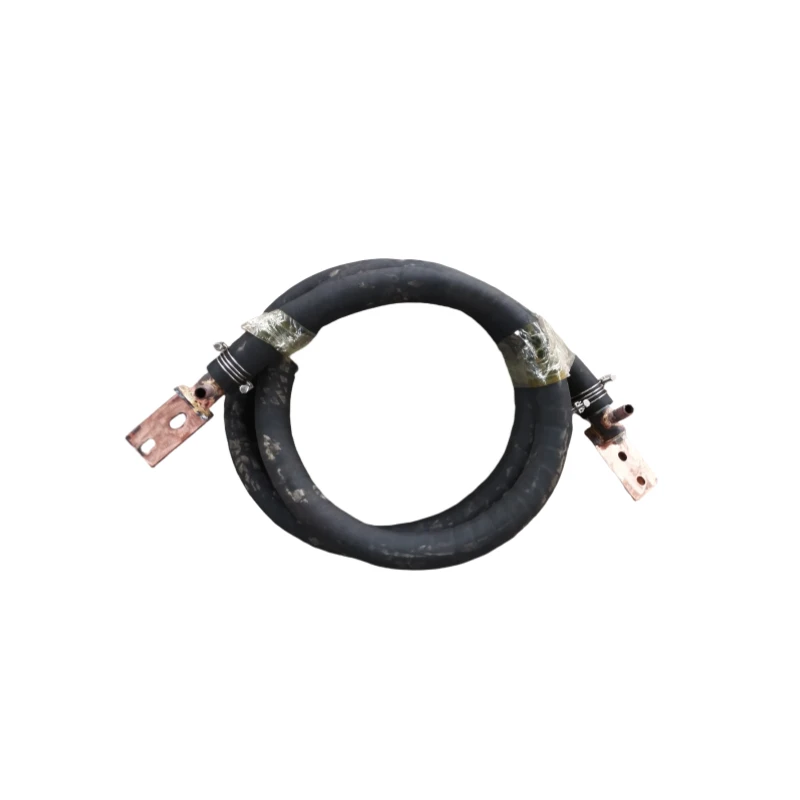
- System Bonding: Bonding all the electrical components in the system together helps to create a common electrical reference point. This reduces the potential for ground loops, which can be a source of EMI. For example, when connecting the control transformer to other equipment such as a Water Cooled Cable For Furnace, proper bonding ensures that all the components are at the same electrical potential, reducing the likelihood of interference.
Filtering
Filtering is another effective method for reducing conducted EMI. Filters can be used to block or attenuate the unwanted high - frequency signals while allowing the desired power frequencies to pass through.
- Input and Output Filters: Installing filters at the input and output of the control transformer can help to reduce the conducted interference. Input filters are used to prevent the EMI from entering the transformer from the power source, while output filters are used to prevent the interference generated by the transformer from affecting the connected load. Common types of filters include low - pass filters, which allow low - frequency signals to pass through while blocking high - frequency signals, and band - pass filters, which allow a specific range of frequencies to pass through.
- Laminated Busbars: Using Laminated Busbar can also help in reducing EMI. Laminated busbars have a low inductance and resistance, which helps to reduce the voltage drops and the generation of high - frequency noise. They also provide a more compact and efficient way of distributing power compared to traditional wiring, reducing the overall electromagnetic emissions.
Installation and Layout Considerations
The way the control transformer is installed and the layout of the electrical system can also have an impact on EMI.
- Separation from Sensitive Equipment: The control transformer should be installed at a sufficient distance from sensitive electronic equipment to minimize the impact of radiated interference. For example, in a control panel, the transformer should be placed away from microcontrollers, sensors, and other sensitive components.
- Cable Routing: Proper cable routing is important to reduce the coupling of electromagnetic fields between different cables. Cables carrying power should be routed separately from cables carrying signals to prevent the interference from being transferred between them. Additionally, cables should be kept as short as possible to reduce the inductance and the potential for EMI.
Conclusion
Reducing electromagnetic interference from a control transformer is a multi - faceted approach that involves selecting the right transformer design, implementing shielding techniques, proper grounding and bonding, filtering, and considering installation and layout factors. As a control transformer supplier, we are committed to providing high - quality transformers that meet the strictest EMI standards. By following these strategies, we can help our customers ensure the reliable operation of their electrical systems and minimize the impact of electromagnetic interference.

If you are interested in purchasing control transformers or need further advice on reducing EMI in your electrical systems, please feel free to contact us for a detailed discussion. Our team of experts is ready to assist you in finding the best solutions for your specific requirements.
References
- Grover, F. W. (1946). Inductance Calculations: Working Formulas and Tables. Dover Publications.
- Ott, H. W. (2009). Electromagnetic Compatibility Engineering. Wiley - Interscience.
- Paul, C. R. (2006). Introduction to Electromagnetic Compatibility. Wiley - Interscience.