

Selecting the right fan for a closed circuit fluid cooler is a critical decision that can significantly impact the efficiency, performance, and longevity of your cooling system. As a supplier of closed circuit fluid coolers, I understand the challenges and considerations involved in this process. In this blog post, I will share some insights and guidelines to help you make an informed decision when choosing a fan for your closed circuit fluid cooler.
Understanding the Role of Fans in Closed Circuit Fluid Coolers
Before delving into the selection criteria, it's essential to understand the role that fans play in closed circuit fluid coolers. Fans are responsible for moving air through the cooler, facilitating heat transfer from the fluid being cooled to the ambient air. This process helps maintain the desired temperature of the fluid, ensuring optimal operation of various industrial processes and equipment.
The efficiency of a fan directly affects the overall performance of the closed circuit fluid cooler. A properly sized and selected fan can help achieve better heat transfer, reduce energy consumption, and minimize operating costs. On the other hand, an undersized or inefficient fan may lead to inadequate cooling, increased equipment wear and tear, and higher energy bills.
Key Factors to Consider When Selecting a Fan
Airflow Requirements
The first step in selecting the right fan is to determine the required airflow rate. This is typically measured in cubic feet per minute (CFM) and is based on the cooling capacity of the closed circuit fluid cooler, the heat load of the system, and the temperature difference between the inlet and outlet of the cooler. Understanding the airflow requirements of your specific application will ensure that the fan can effectively remove the heat generated by the process and maintain the desired fluid temperature.

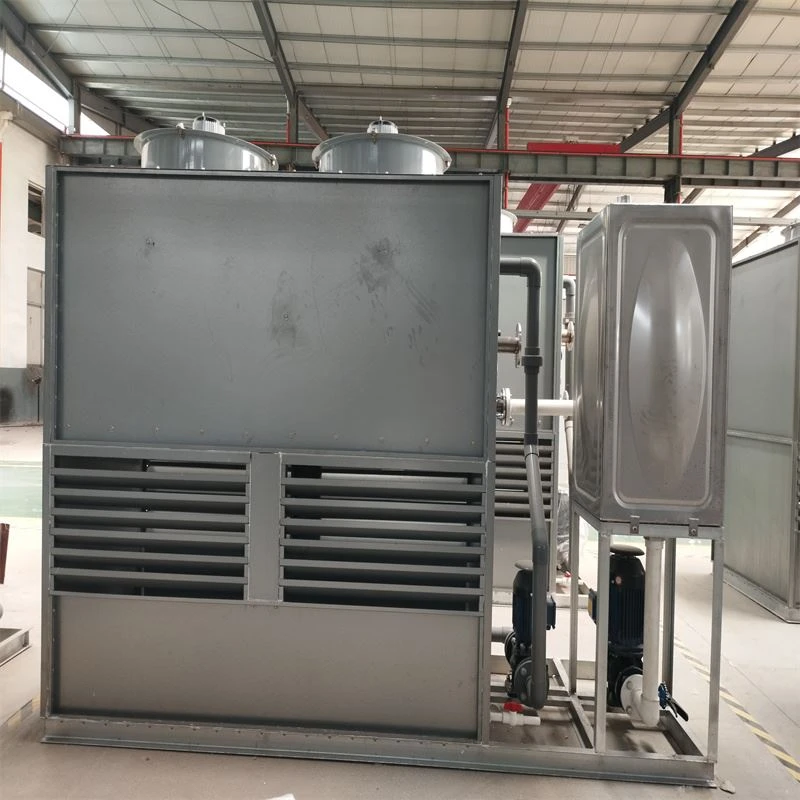
Calculating the exact airflow requirements can be complex and may require the expertise of an engineer or a professional in the field of HVAC (heating, ventilation, and air conditioning). However, as a general guideline, you can refer to the specifications provided by the closed circuit fluid cooler manufacturer or use online calculators to estimate the required airflow.
Static Pressure
In addition to airflow, static pressure is another crucial factor to consider when selecting a fan. Static pressure refers to the resistance that the fan must overcome to move air through the cooler, including the resistance of the heat exchanger, ductwork, and any other components in the system. It is measured in inches of water column (in. WC) and is an important consideration because fans must be capable of generating enough pressure to overcome the system resistance and maintain the desired airflow.
High static pressure applications, such as those with long duct runs or complex heat exchanger designs, may require fans with higher pressure capabilities. Conversely, applications with lower static pressure requirements can typically use fans with less powerful motors, resulting in lower energy consumption and reduced operating costs.
Fan Efficiency
Fan efficiency is a measure of how effectively the fan converts electrical energy into airflow. It is typically expressed as a percentage and is an important consideration when selecting a fan for a closed circuit fluid cooler. A more efficient fan will consume less energy to produce the same amount of airflow, resulting in lower electricity costs and reduced environmental impact.
When comparing fans, look for models with high efficiency ratings and variable speed capabilities. Variable speed fans can adjust their speed based on the cooling demand, allowing them to operate more efficiently and save energy. Additionally, fans with advanced aerodynamic designs and high-quality motors tend to be more efficient and reliable than their counterparts.
Noise Levels
Noise can be a significant concern in many industrial and commercial applications. Excessive noise from the fan can cause discomfort for operators, disturb nearby residents, or violate local noise regulations. When selecting a fan for a closed circuit fluid cooler, consider the noise levels generated by the fan and choose a model that meets your noise requirements.
Low-noise fans are designed to operate quietly while still providing the necessary airflow and static pressure. These fans often feature advanced aerodynamic designs, sound-dampening materials, and variable speed drives to reduce noise levels. Additionally, proper installation and maintenance of the fan can also help minimize noise emissions.
Fan Type and Design
There are several types of fans available for closed circuit fluid coolers, each with its own advantages and disadvantages. The most common types of fans used in these applications include axial fans, centrifugal fans, and mixed-flow fans.
- Axial Fans: Axial fans are the most commonly used type of fan in closed circuit fluid coolers. They are characterized by their simple design, high airflow rate, and relatively low static pressure capabilities. Axial fans are typically more energy-efficient than centrifugal fans and are well-suited for applications with low to moderate static pressure requirements. You can find more information about Plate Type Heat Sink which can work in conjunction with axial fans.
- Centrifugal Fans: Centrifugal fans are designed to generate high static pressure and are commonly used in applications with high resistance, such as those with long duct runs or complex heat exchanger designs. They are typically more expensive and less energy-efficient than axial fans but are better suited for applications where high static pressure is required.
- Mixed-Flow Fans: Mixed-flow fans combine the characteristics of both axial and centrifugal fans and are designed to provide a balance between airflow and static pressure. They are often used in applications where moderate airflow and static pressure are required.
The choice of fan type and design will depend on the specific requirements of your application, including the airflow, static pressure, noise levels, and energy efficiency.
Compatibility with Your Closed Circuit Fluid Cooler
When selecting a fan, it's important to ensure that it is compatible with your closed circuit fluid cooler. This includes considering factors such as the size, shape, and mounting requirements of the fan, as well as its compatibility with the cooler's control system.
The fan should be the right size and shape to fit into the cooler housing and should be capable of generating the required airflow and static pressure for the cooler. Additionally, the fan should be compatible with the cooler's control system, allowing it to be integrated into the overall cooling system and operate efficiently.
Additional Considerations
Reliability and Durability
Reliability and durability are important considerations when selecting a fan for a closed circuit fluid cooler. Industrial applications often operate continuously, and any downtime due to fan failure can result in significant productivity losses and increased maintenance costs. Therefore, it's important to choose a fan that is built to last and can withstand the harsh operating conditions of your application.
Look for fans with high-quality components, such as motors, bearings, and blades, that are designed for long-term use. Additionally, consider fans with features such as corrosion-resistant coatings, sealed motors, and overheating protection to ensure reliable operation in demanding environments.
Maintenance Requirements
Regular maintenance is essential to ensure the optimal performance and longevity of your fan. When selecting a fan, consider the maintenance requirements and choose a model that is easy to access, clean, and service. This can help reduce downtime and maintenance costs and ensure that the fan continues to operate efficiently over its lifespan.
Some fans may require more frequent maintenance, such as lubrication, blade cleaning, or motor servicing, while others may be designed for minimal maintenance. Be sure to review the manufacturer's maintenance recommendations and factor in the cost and time required for maintenance when making your decision.
Conclusion
Selecting the right fan for a closed circuit fluid cooler is a crucial decision that can have a significant impact on the performance, efficiency, and reliability of your cooling system. By considering factors such as airflow requirements, static pressure, fan efficiency, noise levels, fan type and design, compatibility, reliability, and maintenance requirements, you can make an informed decision and choose a fan that meets the specific needs of your application.
If you are in the market for a reliable Closed Circuit Fluid Coolers or a suitable fan for your existing system, our team of experts is here to help. We offer a wide range of high-quality fans and closed circuit fluid coolers that are designed to meet the diverse needs of industrial and commercial applications. Contact us today to discuss your cooling requirements and explore the solutions that we have to offer. We look forward to the opportunity to work with you and help you achieve optimal performance and efficiency with your cooling system.
References
- ASHRAE Handbook - HVAC Systems and Equipment. American Society of Heating, Refrigerating and Air-Conditioning Engineers (ASHRAE).
- Fan Application Guide. American Blower Corporation.
- Industrial Ventilation: A Manual of Recommended Practice. American Conference of Governmental Industrial Hygienists (ACGIH).