

Hey there! As a supplier of closed circuit fluid coolers, I've had my fair share of experiences dealing with the installation process. In this blog, I'm gonna walk you through the installation requirements for these coolers.
Site Selection
First off, picking the right site is super important. Closed circuit fluid coolers need a well - ventilated area. You don't want to install them in a cramped corner where the air can't circulate properly. The cooler expels hot air, and if there's no proper ventilation, it'll end up reducing the cooler's efficiency.
The site should also be level. An uneven surface can cause all sorts of problems, like stress on the cooler's structure and improper water distribution. You don't want your cooler wobbling around! A level surface ensures that the cooler operates smoothly and that all its components work as they should.
Another thing to consider is the proximity to other equipment. You don't want to place the cooler too close to heat - generating equipment. For example, if there's a big industrial furnace nearby, the heat from it can interfere with the cooler's operation. It's best to keep a safe distance to maintain optimal performance.
Electrical Requirements
Let's talk about electricity. Closed circuit fluid coolers need a reliable power source. You've got to make sure that the electrical supply matches the cooler's requirements. Check the voltage and amperage ratings specified by the manufacturer. Using the wrong electrical supply can damage the cooler and even pose a safety hazard.
It's also important to have proper grounding. A grounded cooler helps prevent electrical shocks and protects the equipment from electrical surges. You should follow all the local electrical codes when installing the wiring for the cooler. If you're not sure about the electrical installation, it's always a good idea to hire a professional electrician. They've got the expertise to do it right and keep you safe.
Water Supply and Drainage
Water is a key component in the operation of closed circuit fluid coolers. You need a clean and adequate water supply. The water quality matters a lot. If the water is full of impurities like dirt, sediment, or chemicals, it can clog the cooler's pipes and reduce its efficiency. You might need to install a water filtration system to ensure that the water going into the cooler is clean.
As for the water flow rate, it should meet the manufacturer's specifications. Too little water flow can't effectively cool the fluid, while too much water can cause overflow and other problems. You can use flow meters to monitor and adjust the water flow as needed.
Drainage is just as crucial. The cooler needs a proper drainage system to get rid of the used water. The drainage pipes should be large enough to handle the water volume and should be sloped correctly to ensure proper flow. If the drainage is blocked or inefficient, it can lead to water pooling around the cooler, which can cause corrosion and other damage.
Structural Support
These coolers are heavy pieces of equipment, so they need proper structural support. The foundation or platform where you install the cooler must be strong enough to bear its weight. You can use concrete pads or steel frames, depending on the size and weight of the cooler.
When installing the cooler on a platform, make sure it's securely fastened. Loose coolers can vibrate during operation, which can not only damage the cooler itself but also cause noise and safety issues. You can use bolts or other appropriate fasteners to secure the cooler in place.
Access for Maintenance
You'll need easy access to the cooler for maintenance. There should be enough space around the cooler to allow technicians to reach all the components. Don't install the cooler in a tight spot where it's difficult to open the panels or perform routine checks.
The access doors and panels should be easy to open and close. You don't want to struggle every time you need to do some maintenance. Also, make sure there's a clear path for moving any replacement parts in and out of the cooler area.
Connection to the Fluid System
Connecting the closed circuit fluid cooler to the fluid system is a critical step. The connections should be leak - proof. You can use gaskets and seals to ensure a tight fit. Make sure that the pipes are properly sized and that the fluid flow direction is correct.
You might also need to install valves and fittings to control the fluid flow. These valves can help you adjust the flow rate and shut off the fluid supply when necessary. For example, during maintenance, you can close the valves to stop the fluid from flowing through the cooler.
Auxiliary Equipment
There are some auxiliary equipment that can enhance the performance of closed circuit fluid coolers. You can check out Closed Cooler Auxiliary Equipment for more information. These auxiliary devices can include things like pumps, fans, and controllers.
Pumps are used to circulate the fluid through the cooler. They need to be properly sized and installed to ensure efficient fluid movement. Fans help with the heat exchange process by blowing air over the cooler's coils. Controllers can be used to monitor and adjust the cooler's operation based on various parameters like temperature and pressure.
Safety Considerations
Safety should always be a top priority. You should install safety guards around any moving parts of the cooler, like the fans. These guards prevent accidental contact and reduce the risk of injuries.
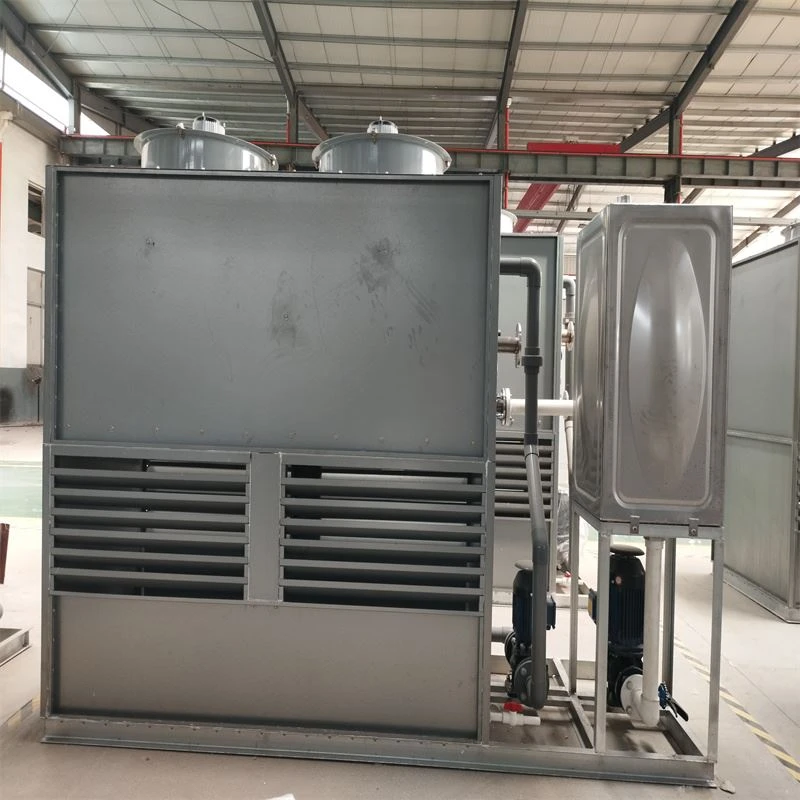

There should also be emergency stop buttons easily accessible. In case of an emergency, you can quickly stop the cooler's operation. Make sure all the operators are trained on how to use these safety features.
Compatibility with Existing Systems
If you're integrating the closed circuit fluid cooler into an existing system, you need to ensure compatibility. The cooler should work well with the other equipment in the system, such as the fluid pumps and heat exchangers. Check the operating parameters and interfaces to make sure they're compatible. You might need to make some adjustments or use adapters to ensure a seamless integration.
Testing and Commissioning
Once the installation is complete, it's time for testing and commissioning. You should run a series of tests to make sure the cooler is working properly. Check the water flow, electrical connections, and the overall performance of the cooler.
During the testing phase, monitor the temperature and pressure readings. Make sure they're within the normal range. If you notice any issues, like abnormal noises or leaks, address them immediately. After successful testing, you can officially commission the cooler for regular use.
Conclusion
Installing closed circuit fluid coolers requires careful planning and attention to detail. From site selection to testing and commissioning, every step is important to ensure the optimal performance and longevity of the cooler. If you're in the market for a closed circuit fluid cooler, you can check out our Closed Circuit Fluid Coolers and Closed Cooling Tower options.
If you have any questions about the installation requirements or are interested in purchasing our coolers, feel free to reach out. We're here to help you with all your cooling needs and ensure a smooth installation process. Let's work together to find the best solution for your business.
References
- Manufacturer's installation manuals for closed circuit fluid coolers
- Local building and electrical codes
- Industry standards for industrial cooling equipment