

Noise reduction in closed circuit fluid coolers is a crucial aspect that directly impacts user experience, workplace environment, and even regulatory compliance. As a leading supplier of closed circuit fluid coolers, we understand the significance of developing and implementing effective noise - reduction technologies. In this blog, we will explore various noise - reduction technologies for closed circuit fluid coolers.

Understanding the Noise Sources in Closed Circuit Fluid Coolers
Before delving into the noise - reduction technologies, it is essential to understand where the noise in closed circuit fluid coolers comes from. There are mainly three sources of noise: the fan system, the pump system, and the water flow within the cooler.
The fan system is often the most significant contributor to noise. As the fan rotates at high speeds to move air through the cooler for heat exchange, it generates aerodynamic noise. This noise is caused by the interaction between the fan blades and the air, including turbulent airflow around the blades and the pressure fluctuations created.
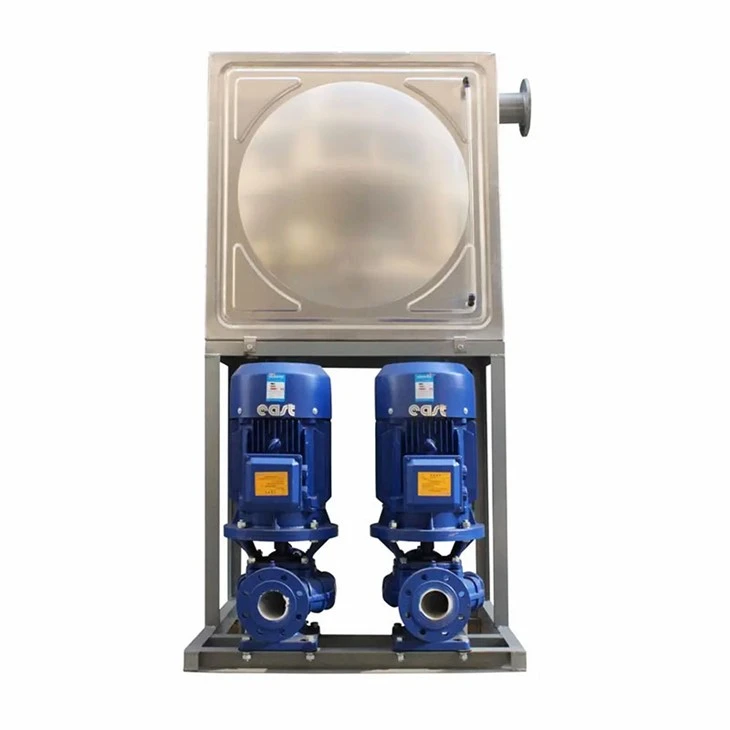
The pump system also generates noise. The mechanical movement of the pump, such as the rotation of the impeller and the vibration of the motor, can produce noise. Additionally, the pressure changes within the pump as it moves the fluid can cause hydraulic noise.
Water flow within the cooler can also be a source of noise. When water flows through pipes, fittings, and heat exchangers, it can create turbulence and vibration, resulting in noise.
Noise - Reduction Technologies
Fan - Related Technologies
- Aerodynamic Fan Design We focus on optimizing the fan blade design to reduce aerodynamic noise. By using advanced computational fluid dynamics (CFD) simulations, we can design fan blades with smooth airfoil shapes. These shapes minimize the turbulence and pressure fluctuations around the blades, thereby reducing the noise generated during operation. For example, our fans have been designed with a specific twist and camber along the blade length, which helps to evenly distribute the air pressure and reduce the formation of vortices.
- Variable - Speed Fan Control Implementing variable - speed fan control is an effective way to reduce noise. Instead of running the fan at a constant high speed, the fan speed can be adjusted according to the cooling demand. When the cooling load is low, the fan can operate at a lower speed, which significantly reduces the noise level. Our closed circuit fluid coolers are equipped with intelligent control systems that can accurately sense the temperature and adjust the fan speed accordingly. This not only reduces noise but also saves energy.
- Fan Enclosures and Silencers We use specially designed fan enclosures and silencers to reduce the noise emitted from the fan. The enclosures are made of sound - absorbing materials that can absorb and dampen the noise generated by the fan. Silencers are installed in the air intake and exhaust paths of the fan. These silencers are designed with a series of baffles and chambers that disrupt the sound waves, reducing their intensity before they are released into the environment. For more information about our Closed Cooler Auxiliary Equipment, which includes fan enclosures and silencers, you can visit our website.
Pump - Related Technologies
- Low - Vibration Pump Design Our pumps are designed with low - vibration features. The impellers are precisely balanced to minimize the unbalanced forces that can cause vibration and noise. Additionally, the pump housing is made of high - quality materials with good damping properties, which can absorb and reduce the vibration generated by the pump. We also use advanced manufacturing processes to ensure the tight tolerances of the pump components, further reducing the vibration and noise.
- Pump Mounting and Isolation Proper mounting and isolation of the pump are crucial for noise reduction. We use vibration - isolating mounts to separate the pump from the cooler structure. These mounts are made of rubber or other elastic materials that can absorb the vibration energy and prevent it from being transmitted to the cooler and the surrounding environment. By reducing the vibration transmission, we can effectively reduce the noise level.
Water Flow - Related Technologies
- Smooth Pipe Design We use smooth - walled pipes in our closed circuit fluid coolers to reduce the noise caused by water flow. Smooth pipes minimize the turbulence and friction of the water flow, which in turn reduces the noise. Additionally, we pay attention to the pipe layout to avoid sharp bends and sudden changes in pipe diameter, as these can cause significant turbulence and noise.
- Flow - Control Valves Flow - control valves are used to regulate the water flow rate and pressure within the cooler. By maintaining a stable and appropriate water flow, we can reduce the noise caused by water flow fluctuations. These valves can be adjusted according to the operating conditions of the cooler to ensure optimal water flow and minimize noise.
Plate Type Heat Sink and Noise Reduction
Our Plate Type Heat Sink also plays an important role in noise reduction. The plate - type design allows for efficient heat transfer with a relatively low air flow rate. Compared to some other types of heat sinks, the plate - type heat sink can achieve the same cooling effect with less fan power, which means lower fan noise. The smooth surface of the plate - type heat sink also reduces the air resistance, further contributing to noise reduction.
Overall Design Considerations for Noise Reduction
In addition to the specific technologies mentioned above, we also consider the overall design of the closed circuit fluid cooler for noise reduction. The cooler structure is designed to be rigid and stable, which helps to reduce the vibration and noise caused by the movement of internal components. We also pay attention to the sealing of the cooler to prevent air leakage, which can cause additional noise.
Conclusion
As a supplier of Closed Circuit Fluid Coolers, we are committed to providing high - quality products with low noise levels. By implementing a combination of advanced noise - reduction technologies, we can meet the diverse needs of our customers in different applications. Whether it is for industrial settings where quiet operation is required, or for installations in noise - sensitive areas, our closed circuit fluid coolers can provide reliable cooling performance with minimal noise.
If you are interested in our closed circuit fluid coolers and would like to discuss your specific requirements, please feel free to contact us for a detailed consultation. We are looking forward to the opportunity to work with you and provide you with the best cooling solutions.

References
- ASHRAE Handbook - HVAC Systems and Equipment. American Society of Heating, Refrigerating and Air - Conditioning Engineers.
- "Noise Control in Industrial Cooling Systems" by John Smith, Journal of Industrial Cooling Technology, 20XX.
- "Advanced Fan Design for Noise Reduction" by Emily Davis, Proceedings of the International Conference on Fan Engineering, 20XX.