

Hey there! As a control transformer supplier, I often get asked about the relationship between a control transformer and a contactor. So, I thought I'd take a few minutes to break it down for you.
First off, let's talk about what each of these things is. A control transformer is a type of transformer that's designed to provide a specific voltage for control circuits in electrical systems. It steps down the voltage from the main power supply to a level that's safe and suitable for use in things like relays, timers, and, you guessed it, contactors.
A contactor, on the other hand, is an electrically controlled switch. It's used to control high - power circuits using a low - power signal. Contactors are commonly found in industrial applications, HVAC systems, and even in some large household appliances. They're great for turning on and off big loads, like motors, without having to manually operate a high - current switch.
So, what's the connection between the two? Well, the control transformer provides the power for the contactor's coil. The coil is what makes the contactor work. When you apply voltage to the coil, it creates a magnetic field. This magnetic field pulls in a set of contacts, closing the circuit and allowing current to flow through the high - power side of the contactor.
Let's say you've got a big industrial motor that you want to control. You wouldn't want to directly switch the high - voltage, high - current power to the motor. That's where the contactor comes in. You use a control transformer to step down the voltage from the main power supply to a lower, safer level. Then, you use this lower - voltage power to energize the contactor's coil. Once the coil is energized, the contactor closes, and the motor starts running.
One of the key things to consider when pairing a control transformer with a contactor is the voltage requirements. The control transformer needs to be able to supply the correct voltage for the contactor's coil. If the voltage is too low, the contactor might not close properly, or it could close and then open again randomly. If the voltage is too high, it could damage the coil and cause the contactor to fail.
Another important factor is the power rating. The control transformer needs to be able to supply enough power to energize the contactor's coil. If the transformer is under - sized, it might not be able to provide enough current to create a strong enough magnetic field, and the contactor won't work as it should.
In industrial settings like a Smelter, control transformers and contactors work hand - in - hand. Smelters have a lot of heavy - duty equipment that needs to be controlled. The control transformer provides the right voltage and power to the contactors, which then control the operation of things like furnaces and conveyor belts.
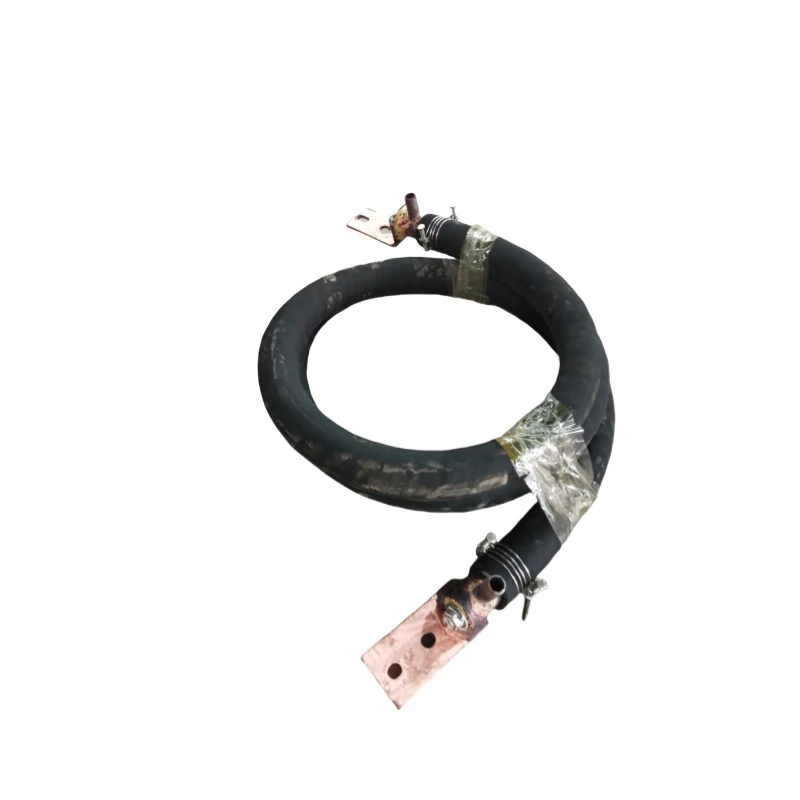
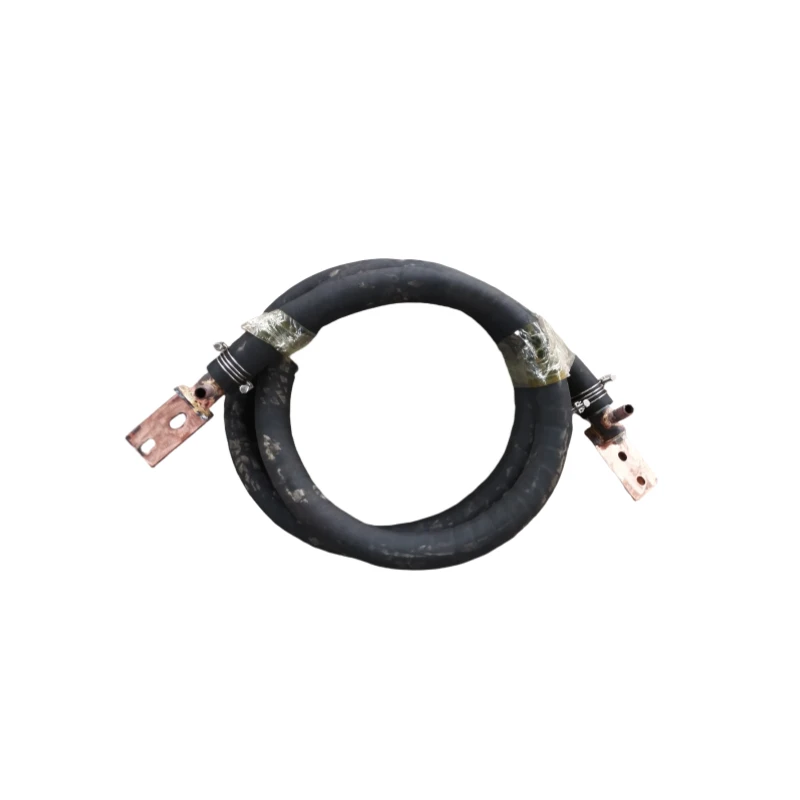
Similarly, in a furnace system, a Water Cooled Cable For Furnace is often used to transfer power. The control transformer and contactor combination is used to manage the power flow to the furnace. The contactor can turn the power on and off as needed, while the control transformer ensures that the contactor gets the right power supply.
And for those working with IGBT modules, an Evaluation Board for IGBT Module is an important tool. The control transformer and contactor setup can also be used in the control circuitry of these evaluation boards, providing the necessary power and control functions.
When it comes to choosing the right control transformer for your contactor, there are a few things to keep in mind. You need to know the voltage rating of the contactor's coil. This is usually specified in the contactor's datasheet. You also need to consider the inrush current of the coil. When the contactor's coil is first energized, it draws a higher current for a short period. The control transformer needs to be able to handle this inrush current without overheating or failing.
There are different types of control transformers available, such as single - phase and three - phase transformers. Single - phase transformers are commonly used in smaller applications, while three - phase transformers are used in larger industrial setups. You'll need to choose the type that's appropriate for your specific application and the contactor you're using.
In addition to the technical aspects, reliability is also a big deal. You don't want your control transformer or contactor to fail in the middle of an important operation. That's why it's important to choose high - quality components. At our company, we pride ourselves on providing top - notch control transformers that are designed to work well with a wide range of contactors.
Our control transformers are built with high - quality materials and are rigorously tested to ensure they meet the highest standards. We offer a variety of models with different voltage and power ratings, so you can find the perfect one for your contactor application.
If you're in the market for a control transformer for your contactor, or if you have any questions about how they work together, don't hesitate to reach out. We're here to help you make the right choice and ensure that your electrical system runs smoothly. Whether you're working on a small DIY project or a large industrial installation, we've got the expertise and the products to meet your needs.
Contact us today to start a conversation about your control transformer and contactor requirements. We're looking forward to helping you find the best solution for your application.
References
- Electrical Engineering Handbook, CRC Press
- Industrial Control Systems: Principles and Applications, Pearson Education