

As a supplier of KK thyristors, I often get asked about the reliability of these essential components. In this blog post, I'll delve into what makes KK thyristors reliable, the factors that can affect their performance, and how we ensure the highest quality in our products.
Understanding KK Thyristors
KK thyristors, also known as fast - switching thyristors, are semiconductor devices widely used in various applications, especially in high - frequency and high - power circuits. They are capable of handling large currents and voltages, making them ideal for use in induction heating, power supplies, and motor control systems.

The basic structure of a KK thyristor consists of four layers of alternating P - type and N - type semiconductor materials. When a proper gate signal is applied, the thyristor switches from a non - conducting state to a conducting state, allowing current to flow through it. Once conducting, the thyristor remains in this state until the current drops below a certain holding current value.
Key Factors Contributing to KK Thyristor Reliability
1. Material Quality
The quality of the semiconductor materials used in KK thyristors is crucial for their reliability. High - purity silicon is typically used as the base material. Impurities in the silicon can lead to defects in the crystal structure, which may cause leakage currents, reduced breakdown voltage, or even device failure. At our company, we source high - grade silicon from trusted suppliers and conduct rigorous quality control checks during the manufacturing process to ensure the purity and integrity of the materials.
2. Manufacturing Process
The manufacturing process of KK thyristors involves several precise steps, including wafer fabrication, diffusion, and metallization. Any deviation in these processes can affect the performance and reliability of the final product. We use state - of - the - art manufacturing equipment and follow strict process control procedures. For example, during the diffusion process, we carefully control the temperature, time, and doping concentration to ensure uniform doping across the wafer, which is essential for consistent electrical characteristics.
3. Packaging
Proper packaging is essential to protect the KK thyristor from environmental factors such as moisture, dust, and mechanical stress. Our KK thyristors are packaged in high - quality housings that provide good electrical insulation and mechanical protection. The packaging also helps in heat dissipation, which is critical for maintaining the device's performance. We use advanced packaging technologies to ensure a hermetic seal, preventing the ingress of moisture and other contaminants.
4. Testing and Quality Assurance
Before our KK thyristors are shipped to customers, they undergo a series of comprehensive tests. These tests include electrical performance tests such as forward and reverse voltage tests, current - carrying capacity tests, and switching time tests. We also conduct environmental tests, such as temperature cycling and humidity tests, to ensure that the thyristors can operate reliably under different conditions. Only products that pass all these tests are released for sale.
Factors Affecting KK Thyristor Reliability
1. Over - voltage and Over - current
Exposure to over - voltage or over - current conditions can significantly reduce the reliability of KK thyristors. Over - voltage can cause the breakdown of the device, while over - current can lead to excessive heating and thermal stress, which may damage the semiconductor material. To protect against these conditions, it is important to use appropriate protection circuits, such as surge suppressors and current limiters, in the application circuits.
2. Temperature
Temperature has a profound impact on the performance and reliability of KK thyristors. High temperatures can increase the leakage current, reduce the breakdown voltage, and accelerate the aging process of the device. On the other hand, extremely low temperatures can affect the switching characteristics of the thyristor. We recommend using proper heat sinks, such as the Air Cooled Water Cooled SCR Heat Sinks, to maintain the operating temperature within the specified range.
3. Gate Signal Quality
The quality of the gate signal applied to the KK thyristor is also important. An improper gate signal, such as a signal with insufficient amplitude or duration, may cause the thyristor to fail to turn on or turn off properly. It is necessary to design the gate drive circuit carefully to ensure that the gate signal meets the requirements of the thyristor.
Applications and Complementary Products
KK thyristors are widely used in many industrial applications. In induction heating systems, they are used to control the power supply to the induction coil, enabling efficient heating of metals. In power supplies, they can be used for voltage regulation and power conversion.
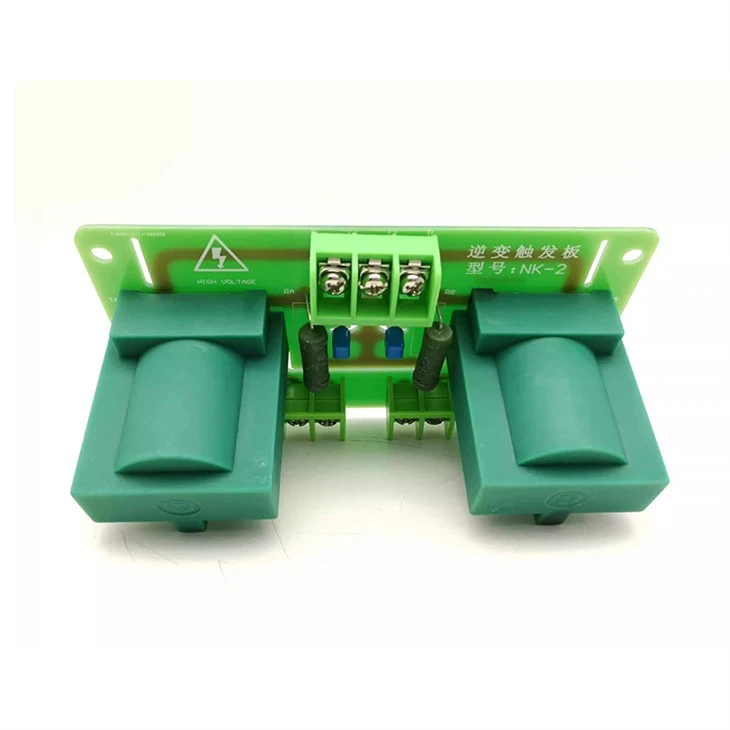
When using KK thyristors in these applications, it is often necessary to use complementary products. For example, IGBT Modules can be used in combination with KK thyristors in some high - power and high - frequency applications to improve the overall performance of the system. Furnace Pulse Transformer Board is another important accessory that can be used to provide the proper gate signal for the KK thyristor in furnace applications.
Our Commitment to Reliability
As a supplier of KK thyristors, we are committed to providing our customers with the most reliable products. We continuously invest in research and development to improve the performance and reliability of our KK thyristors. Our technical support team is always ready to assist customers in selecting the right products and providing solutions to any technical problems they may encounter.
If you are in the market for high - quality and reliable KK thyristors, we invite you to contact us for procurement discussions. We can offer you competitive prices, excellent product quality, and reliable after - sales service. Whether you are a small - scale manufacturer or a large industrial enterprise, we have the right solutions for your needs.
References
- "Semiconductor Device Physics" by Donald A. Neamen
- "Power Electronics: Converters, Applications, and Design" by Ned Mohan, Tore M. Undeland, and William P. Robbins
- Industry standards and technical documents related to KK thyristors.