

What is the surface smoothness of a golden mica sheet?
As a supplier of golden mica sheets, I often get asked about the surface smoothness of these remarkable materials. Golden mica sheets are widely used in various industries due to their excellent electrical insulation, thermal stability, and mechanical properties. The surface smoothness of a golden mica sheet plays a crucial role in its performance and applications.
Surface smoothness refers to the degree of evenness and flatness of the surface of a material. In the case of golden mica sheets, a smooth surface is desirable for several reasons. Firstly, a smooth surface ensures better contact and adhesion when the mica sheet is used in electrical applications. For example, in electrical insulation, a smooth surface reduces the risk of air gaps or uneven contact, which can lead to electrical breakdown or arcing. This is particularly important in high - voltage applications where the integrity of the insulation is critical.
Secondly, a smooth surface enhances the mechanical properties of the golden mica sheet. It reduces friction and wear when the sheet is in contact with other components, which is beneficial in applications where the mica sheet is subject to movement or vibration. For instance, in some mechanical devices, a smooth - surfaced mica sheet can slide or rotate more easily, reducing energy losses and improving the overall efficiency of the system.
The surface smoothness of a golden mica sheet is determined by several factors during the manufacturing process. The quality of the raw mica material is the first factor. High - quality mica ore with fewer impurities and a more uniform crystal structure is more likely to produce mica sheets with a smoother surface. During the mining and processing of mica, careful selection and purification of the ore are essential to ensure the best starting material.
The manufacturing techniques also have a significant impact on surface smoothness. The process of peeling and slicing the mica into sheets needs to be precise. Advanced cutting and finishing technologies can minimize surface irregularities. For example, using sharp cutting tools and controlled cutting speeds can result in cleaner cuts and smoother edges. Additionally, post - processing steps such as grinding and polishing can further improve the surface smoothness. Grinding can remove any rough spots or unevenness on the surface, while polishing can give the mica sheet a mirror - like finish.
Measuring the surface smoothness of a golden mica sheet is typically done using specialized instruments. One common method is to use a profilometer, which measures the surface profile by tracing a stylus across the surface of the mica sheet. The profilometer can provide detailed information about the height variations and roughness of the surface. Another method is optical measurement, which uses laser or other optical techniques to analyze the surface topography. These measurements are important for quality control in the manufacturing process, ensuring that the mica sheets meet the required standards of surface smoothness.
In different applications, the required surface smoothness of a golden mica sheet varies. In high - precision electrical applications, such as in microelectronics or high - voltage insulation, a very high level of surface smoothness is often required. Even the slightest surface irregularity can cause problems in these sensitive applications. On the other hand, in some general - purpose applications, a relatively lower level of surface smoothness may be acceptable. For example, in some low - voltage electrical insulation or simple mechanical applications, a slightly rougher surface may not significantly affect the performance of the mica sheet.

As a supplier of golden mica sheets, we understand the importance of surface smoothness for our customers. We are committed to providing mica sheets with the highest level of surface quality. Our manufacturing process is carefully controlled at every step, from the selection of raw materials to the final finishing. We use state - of - the - art equipment and technologies to ensure that each mica sheet meets or exceeds the industry standards for surface smoothness.
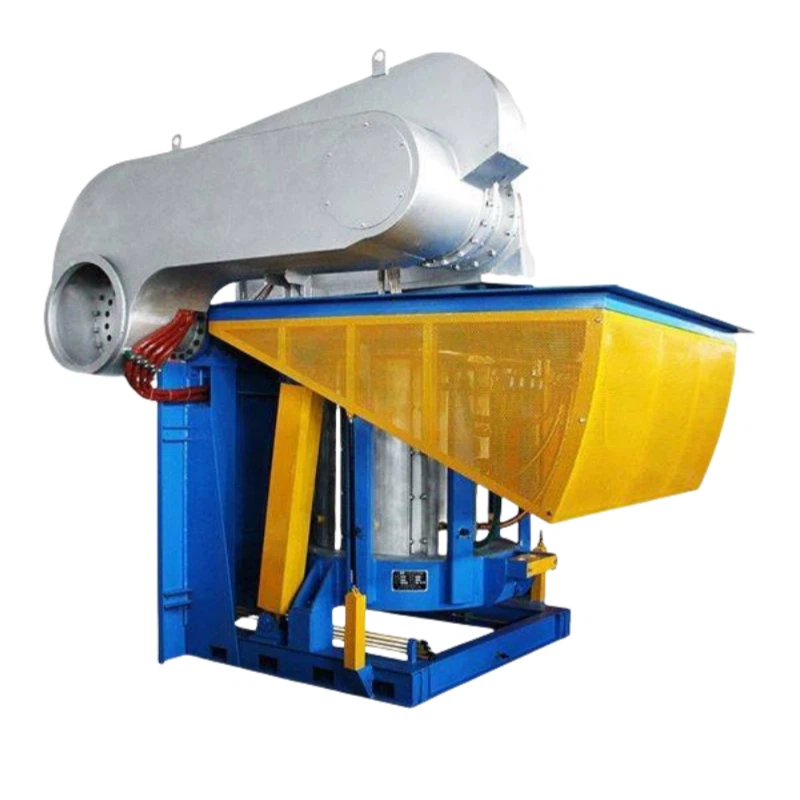
Our golden mica sheets with excellent surface smoothness have a wide range of applications. In the field of induction furnaces, they can be used as insulation materials. For example, in an Aluminum Shell Furnace Shell, the smooth - surfaced mica sheets can provide better insulation, reducing heat loss and improving the efficiency of the furnace. The smooth surface also helps in easy installation and better contact with other components in the furnace.
In addition, Fiberglass Insulation Board often works in conjunction with golden mica sheets. The smooth surface of the mica sheet can enhance the overall insulation performance when combined with fiberglass insulation. It can prevent air leakage between the layers of insulation, providing a more effective thermal and electrical barrier.
Another application is in the Induction Furnace Dust Removal Hood. Here, the smooth - surfaced mica sheets can be used for electrical insulation and also for their mechanical stability. The smooth surface allows for better airflow around the dust removal hood, improving the efficiency of dust collection.
If you are looking for high - quality golden mica sheets with excellent surface smoothness for your specific applications, we are here to help. Our team of experts can provide you with detailed information about our products and assist you in choosing the most suitable mica sheets for your needs. Whether you are in the electrical, mechanical, or other industries, our golden mica sheets can offer reliable performance.
We invite you to contact us for more information and to discuss your procurement requirements. Our commitment to quality and customer satisfaction makes us a trusted partner in the supply of golden mica sheets. You can reach out to us to start a productive conversation about how our products can meet your exact specifications and contribute to the success of your projects.
References
- "Mica: Properties, Processing, and Applications" by Mineralogical Society of America
- "Surface Engineering in Manufacturing" by various authors in the field of materials science
- Technical manuals and research papers from leading mica manufacturing companies