

The aerospace industry is a highly specialized and demanding field that requires materials with exceptional properties to ensure the safety, reliability, and performance of aircraft and spacecraft. Polytetrafluoroethylene (PTFE) sheets, known for their unique characteristics, have emerged as a potential candidate for various aerospace applications. As a PTFE sheets supplier, I am excited to explore the possibilities of using PTFE sheets in the aerospace industry and share my insights with you.
Properties of PTFE Sheets
PTFE, also known by its brand name Teflon, is a synthetic fluoropolymer of tetrafluoroethylene. PTFE sheets possess a range of remarkable properties that make them suitable for aerospace applications:

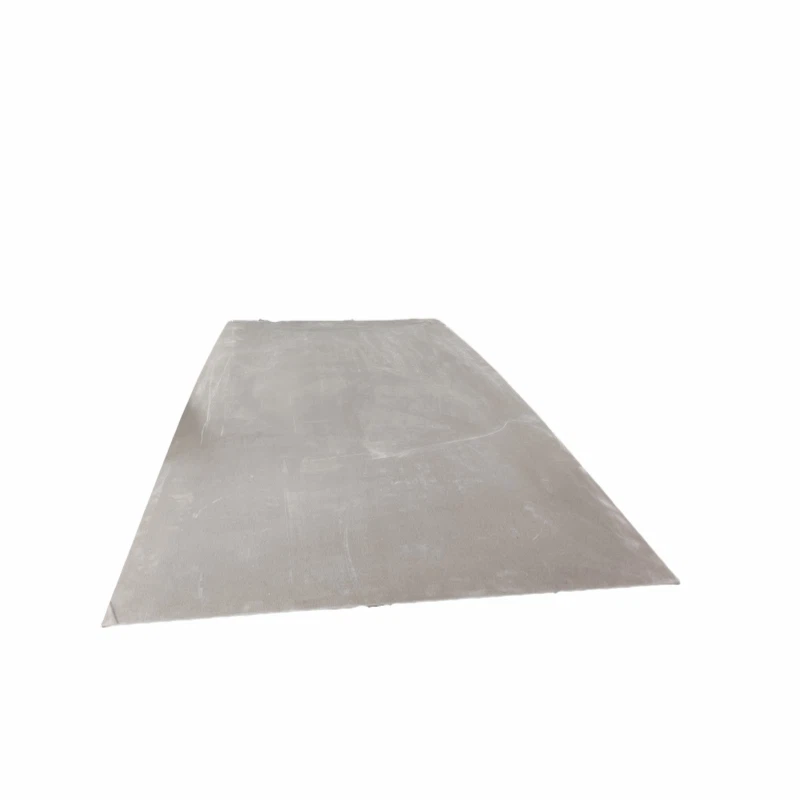
- Chemical Resistance: PTFE is highly resistant to a wide range of chemicals, including acids, bases, solvents, and fuels. This property is crucial in the aerospace industry, where components may come into contact with various corrosive substances during operation.
- Low Friction Coefficient: PTFE has an extremely low friction coefficient, which means it offers excellent lubricity. This property reduces wear and tear on moving parts, improves efficiency, and extends the lifespan of components.
- High Temperature Resistance: PTFE can withstand high temperatures without losing its physical and chemical properties. It has a melting point of approximately 327°C (621°F) and can operate continuously at temperatures up to 260°C (500°F). This makes it suitable for use in high-temperature environments, such as engine compartments and thermal protection systems.
- Electrical Insulation: PTFE is an excellent electrical insulator, with high dielectric strength and low electrical conductivity. This property is essential for applications where electrical insulation is required, such as wiring, connectors, and circuit boards.
- Non-Stick Surface: PTFE has a non-stick surface, which prevents the adhesion of dirt, dust, and other contaminants. This property makes it easy to clean and maintain, reducing the risk of component failure due to contamination.
Applications of PTFE Sheets in the Aerospace Industry
The unique properties of PTFE sheets make them suitable for a variety of aerospace applications, including:
- Seals and Gaskets: PTFE sheets are commonly used to manufacture seals and gaskets in the aerospace industry. Their chemical resistance, low friction coefficient, and high temperature resistance make them ideal for sealing applications in engines, fuel systems, hydraulic systems, and other critical components.
- Bearings and Bushings: PTFE sheets can be used to fabricate bearings and bushings, which provide low-friction support for rotating and sliding components. Their self-lubricating properties reduce the need for external lubrication, improving efficiency and reducing maintenance requirements.
- Insulation Materials: PTFE sheets are used as electrical insulation materials in aerospace wiring, connectors, and circuit boards. Their high dielectric strength and low electrical conductivity ensure reliable electrical performance and prevent electrical interference.
- Thermal Protection Systems: PTFE sheets can be used in thermal protection systems to protect aircraft and spacecraft from high temperatures during re-entry or in high-temperature environments. Their high temperature resistance and low thermal conductivity make them effective in reducing heat transfer and protecting sensitive components.
- Antenna Radomes: PTFE sheets are used in the construction of antenna radomes, which protect antennas from environmental factors while allowing electromagnetic waves to pass through. Their low dielectric constant and loss tangent make them suitable for use in high-frequency applications.
Advantages of Using PTFE Sheets in the Aerospace Industry
The use of PTFE sheets in the aerospace industry offers several advantages, including:
- Improved Performance: PTFE sheets can improve the performance of aerospace components by reducing friction, wear, and corrosion. This leads to increased efficiency, reliability, and lifespan of components.
- Weight Reduction: PTFE sheets are lightweight compared to many other materials used in the aerospace industry. This can help to reduce the overall weight of aircraft and spacecraft, improving fuel efficiency and increasing payload capacity.
- Cost Savings: The use of PTFE sheets can result in cost savings over the long term. Their durability and low maintenance requirements reduce the need for frequent replacement and repair of components, saving time and money.
- Design Flexibility: PTFE sheets can be easily fabricated into various shapes and sizes, allowing for greater design flexibility in aerospace applications. This enables engineers to optimize the performance of components and meet specific design requirements.
Challenges and Considerations
While PTFE sheets offer many advantages for aerospace applications, there are also some challenges and considerations that need to be addressed:
- Cost: PTFE sheets can be relatively expensive compared to other materials. However, the long-term benefits of using PTFE sheets, such as improved performance and reduced maintenance costs, can offset the initial investment.
- Processing Difficulties: PTFE is a difficult material to process due to its high melting point and low surface energy. Specialized processing techniques and equipment are required to fabricate PTFE sheets into complex shapes and sizes.
- Environmental Impact: PTFE is a synthetic material that is not biodegradable. However, efforts are being made to develop more sustainable alternatives to PTFE, such as recycled PTFE and bio-based polymers.
Conclusion
In conclusion, PTFE sheets have the potential to be used in a wide range of aerospace applications due to their unique properties, such as chemical resistance, low friction coefficient, high temperature resistance, electrical insulation, and non-stick surface. The use of PTFE sheets in the aerospace industry can improve performance, reduce weight, save costs, and provide design flexibility. However, there are also some challenges and considerations that need to be addressed, such as cost, processing difficulties, and environmental impact. As a PTFE sheets supplier, I am committed to providing high-quality PTFE sheets that meet the strict requirements of the aerospace industry. If you are interested in using PTFE sheets in your aerospace applications, please contact us to discuss your specific needs and requirements. We look forward to working with you to find the best solutions for your projects.
References
- "Polytetrafluoroethylene (PTFE) - Properties, Applications, and Manufacturing." Engineering ToolBox.
- "Aerospace Materials and Their Applications." ASM International.
- "PTFE in the Aerospace Industry: A Review." Journal of Aerospace Engineering.
Additional Links
If you're interested in learning more about how our PTFE sheets can benefit your aerospace projects or would like to start a procurement discussion, feel free to reach out. We're eager to collaborate and provide the best PTFE solutions for your specific needs.