

As a supplier of stainless steel bolts, I often encounter inquiries from customers about the suitability of our products in high - temperature environments. This is a crucial question, as using the wrong fasteners in such conditions can lead to significant safety risks and equipment failures. In this blog post, I will delve into the properties of stainless steel bolts and their performance in high - temperature settings.
Properties of Stainless Steel Bolts
Stainless steel is an alloy primarily composed of iron, chromium, and nickel, with other elements added in smaller quantities to enhance specific properties. The chromium in stainless steel forms a thin, protective oxide layer on the surface, which gives the material its corrosion - resistant properties. This oxide layer also plays a role in the bolt's performance at high temperatures.
Heat Resistance
The heat resistance of stainless steel bolts depends on the specific grade of stainless steel. Some common grades used in bolt manufacturing include 304 and 316 stainless steel. Grade 304 stainless steel contains approximately 18% chromium and 8% nickel. It has good general corrosion resistance and can withstand temperatures up to about 870°C (1600°F) for short periods. However, continuous exposure to high temperatures may cause the formation of chromium carbides, which can reduce the corrosion resistance of the material.
Grade 316 stainless steel, on the other hand, has a higher nickel content (around 10 - 14%) and also contains molybdenum. This makes it more resistant to corrosion in harsh environments, including those with high chloride content. In terms of heat resistance, it can handle similar temperatures as 304 stainless steel, but its performance may be slightly better due to the additional alloying elements.
Strength at High Temperatures
As the temperature increases, the strength of stainless steel bolts generally decreases. This is because the atomic structure of the material becomes more mobile at higher temperatures, leading to a reduction in the material's ability to resist deformation. However, the rate at which the strength decreases varies depending on the grade of stainless steel and the specific temperature range.
For example, at temperatures up to 400°C (752°F), the strength reduction of stainless steel bolts is relatively minor. But as the temperature approaches 600°C (1112°F) and above, the strength can drop significantly. This means that in high - temperature applications, it is essential to consider the load - bearing requirements of the bolts and select the appropriate grade and size accordingly.
Factors Affecting the Use of Stainless Steel Bolts in High - Temperature Environments
Oxidation
At high temperatures, stainless steel bolts can undergo oxidation. The protective oxide layer on the surface can react with oxygen in the air, forming additional oxides. If the oxidation process is not controlled, it can lead to the degradation of the bolt's surface and a reduction in its mechanical properties. The rate of oxidation depends on factors such as temperature, oxygen concentration, and the presence of other reactive gases in the environment.
Creep
Creep is the slow, continuous deformation of a material under a constant load at high temperatures. Stainless steel bolts are susceptible to creep, especially at temperatures above 400°C (752°F). Creep can cause the bolts to loosen over time, which can lead to joint failure. To mitigate the effects of creep, it may be necessary to use bolts with higher creep resistance or to apply additional locking mechanisms.
Thermal Expansion
Stainless steel has a relatively high coefficient of thermal expansion. When exposed to high temperatures, the bolts will expand. If the surrounding materials have different coefficients of thermal expansion, this can create thermal stresses in the joint. These stresses can cause the bolts to break or the joint to become misaligned. It is important to consider the thermal expansion characteristics of all the components in the joint when designing high - temperature applications.
Applications of Stainless Steel Bolts in High - Temperature Environments
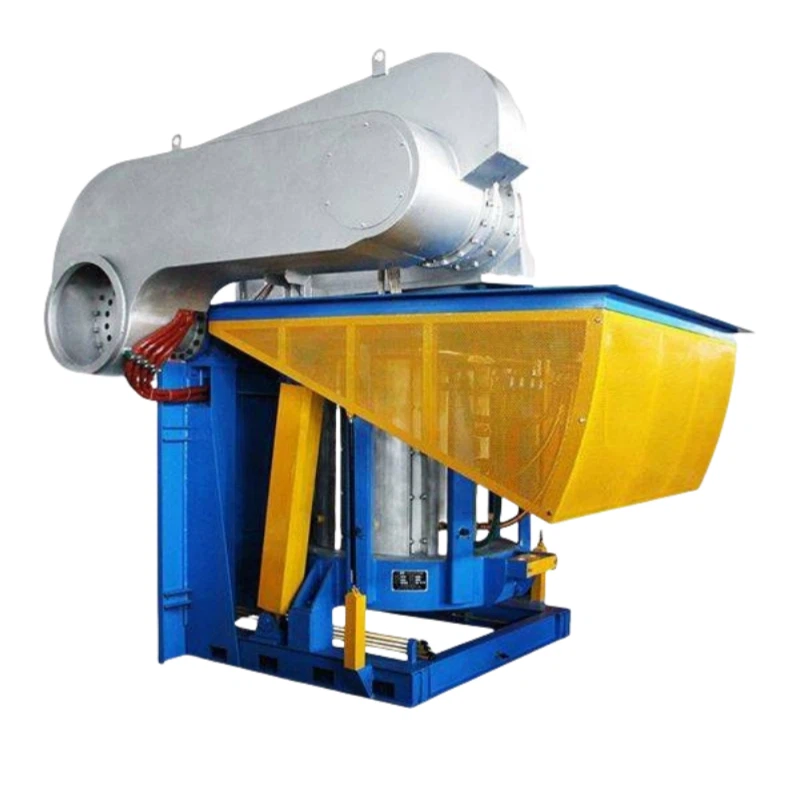
Despite the challenges mentioned above, stainless steel bolts can be used in many high - temperature applications. For example, in Stainless Steel Bolts are used in induction furnaces. These furnaces operate at high temperatures, and stainless steel bolts are used to secure various components such as the Induction Furnace Dust Removal Hood. The corrosion resistance of stainless steel is beneficial in these environments, as the furnaces may produce corrosive gases.
Another application is in the automotive industry, where stainless steel bolts are used in exhaust systems. The exhaust system can reach high temperatures, and stainless steel bolts are chosen for their heat resistance and corrosion resistance. Additionally, in some industrial ovens and heating equipment, stainless steel bolts are used to assemble the structures and components.
Mitigation Strategies for Using Stainless Steel Bolts in High - Temperature Environments
Selecting the Right Grade
As mentioned earlier, different grades of stainless steel have different heat resistance properties. For applications with extremely high temperatures, grades such as 321 or 347 stainless steel may be more suitable. Grade 321 contains titanium, which helps to prevent the formation of chromium carbides at high temperatures. Grade 347 contains niobium, which also has a similar effect.
Surface Treatment
Applying a surface treatment to the stainless steel bolts can improve their performance in high - temperature environments. For example, a high - temperature coating can provide an additional layer of protection against oxidation. Single Layer Asbestos Cloth can also be used in some cases to insulate the bolts and reduce the heat transfer to them.
Proper Installation
Proper installation of the bolts is crucial in high - temperature applications. The bolts should be tightened to the correct torque to ensure a secure joint. Additionally, it may be necessary to use locking washers or other locking mechanisms to prevent the bolts from loosening due to vibration or creep.
Conclusion
In conclusion, stainless steel bolts can be used in high - temperature environments, but it is essential to carefully consider the specific requirements of the application. The properties of stainless steel, such as heat resistance, strength at high temperatures, and corrosion resistance, make it a viable option for many high - temperature applications. However, factors such as oxidation, creep, and thermal expansion need to be taken into account. By selecting the right grade of stainless steel, applying appropriate surface treatments, and ensuring proper installation, the performance of stainless steel bolts in high - temperature environments can be optimized.
If you are in need of stainless steel bolts for high - temperature applications, I encourage you to contact us for more information. We have a wide range of products and can provide expert advice on selecting the most suitable bolts for your specific needs. Our team of professionals is ready to assist you in ensuring the success of your high - temperature projects.

References
- ASM Handbook Volume 1: Properties and Selection: Irons, Steels, and High - Performance Alloys
- ASTM International Standards for Stainless Steel Bolts
- "High - Temperature Materials and Their Applications" by John Wiley & Sons