

Stainless steel bolts are a staple in many industries, and the plumbing sector is no exception. As a trusted stainless steel bolts supplier, I've witnessed firsthand the growing interest in using these bolts for plumbing applications. In this blog post, I'll delve into the suitability of stainless steel bolts in plumbing, exploring their advantages, potential drawbacks, and key considerations.
Advantages of Using Stainless Steel Bolts in Plumbing
One of the primary reasons stainless steel bolts are favored in plumbing is their exceptional corrosion resistance. Plumbing systems often come into contact with water, which can be corrosive over time, especially if it contains minerals or chemicals. Stainless steel, with its chromium content, forms a passive oxide layer on its surface. This layer acts as a protective shield, preventing rust and corrosion from setting in. Whether it's a residential water supply line or a commercial wastewater system, stainless steel bolts can withstand the constant exposure to moisture without deteriorating.
Another significant advantage is the strength of stainless steel bolts. They offer high tensile strength, which means they can handle heavy loads and pressures. In plumbing, this is crucial as pipes and fixtures may experience significant stress, especially in high - pressure systems. Stainless steel bolts can securely fasten pipes, valves, and other components, ensuring the integrity of the entire plumbing setup.
Stainless steel bolts also have a long lifespan. Once installed, they can last for decades, reducing the need for frequent replacements. This not only saves on maintenance costs but also minimizes disruptions to the plumbing system. For example, in a large commercial building, using stainless steel bolts in the plumbing infrastructure can lead to long - term cost savings and fewer service interruptions.
In addition to their functional benefits, stainless steel bolts have an aesthetic appeal. Their clean, shiny finish can enhance the overall look of plumbing installations, making them suitable for visible applications such as in modern, minimalist bathroom or kitchen designs.
Potential Drawbacks
While stainless steel bolts offer many advantages, there are some potential drawbacks to consider. One of the main concerns is the cost. Stainless steel is generally more expensive than other types of bolts, such as carbon steel. This can increase the initial investment for plumbing projects, especially for large - scale installations. However, it's important to weigh this against the long - term savings in terms of reduced maintenance and replacement costs.
Another issue is the possibility of galvanic corrosion. If stainless steel bolts are used in contact with other metals that have a different electrochemical potential, such as copper or aluminum, galvanic corrosion can occur. This happens when two dissimilar metals are in an electrolyte (such as water), creating an electrical current that causes one of the metals to corrode. To prevent this, it's essential to use appropriate insulation or coatings between the different metals. For example, using dielectric unions or rubber gaskets can help isolate the stainless steel bolts from other metals.
Key Considerations for Using Stainless Steel Bolts in Plumbing
When selecting stainless steel bolts for plumbing applications, it's crucial to choose the right grade of stainless steel. Different grades have varying levels of corrosion resistance and strength. For most plumbing applications, grades such as 304 and 316 are commonly used. Grade 304 is a general - purpose stainless steel that offers good corrosion resistance in most water environments. Grade 316, on the other hand, contains molybdenum, which provides enhanced resistance to chloride - containing environments, making it suitable for use in marine or coastal areas where the water may have a higher salt content.
The size and type of the bolts also matter. The diameter, length, and thread pitch of the bolts should be selected based on the specific requirements of the plumbing components being fastened. For example, larger pipes may require thicker and longer bolts to ensure a secure connection. Additionally, different types of bolts, such as hex bolts, socket head cap screws, or carriage bolts, may be more suitable for different plumbing applications.
Proper installation is essential for the performance of stainless steel bolts in plumbing. The bolts should be tightened to the correct torque specification. Over - tightening can damage the bolts or the components being fastened, while under - tightening can lead to loose connections and potential leaks. It's recommended to use a torque wrench during installation to ensure accurate tightening.
Applications in Plumbing
Stainless steel bolts are used in a wide range of plumbing applications. In residential plumbing, they are commonly used to fasten pipes to wall brackets, secure faucets and showerheads, and attach water heaters. In commercial and industrial plumbing, stainless steel bolts are used in large - scale water distribution systems, sewage treatment plants, and industrial process piping.
For instance, in a sewage treatment plant, stainless steel bolts are used to assemble pumps, filters, and other equipment. The corrosion - resistant properties of stainless steel are crucial in this environment, where the water contains high levels of contaminants and chemicals.
In a commercial kitchen, stainless steel bolts are used to install sinks, dishwashers, and other plumbing fixtures. Their strength and aesthetic appeal make them an ideal choice for this type of application.
Related Products and Their Importance
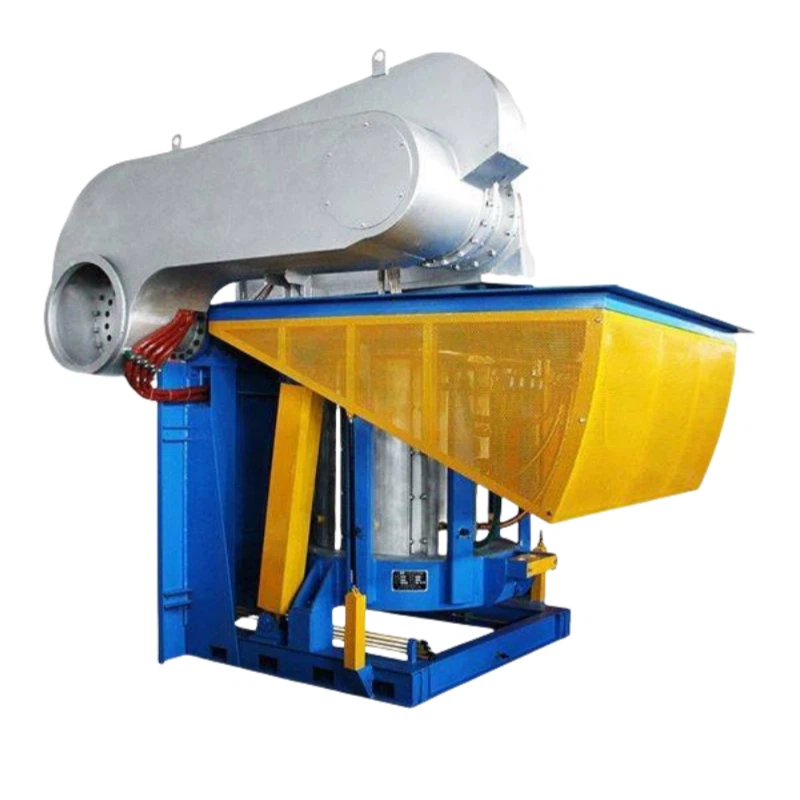
In addition to stainless steel bolts, there are other related products that are important in plumbing applications. For example, the Induction Furnace Dust Removal Hood can play a role in the manufacturing process of stainless steel bolts. It helps to remove dust and impurities during the induction furnace stage, ensuring the quality of the stainless steel material.
The Hydraulic Station is also relevant. In some plumbing installations, hydraulic systems are used to operate valves and other components. A reliable hydraulic station can ensure the smooth operation of these systems, and when combined with high - quality stainless steel bolts, it can contribute to the overall efficiency and reliability of the plumbing setup.
The Golden Mica Sheet can be used as an insulating material in electrical components related to plumbing systems. It provides electrical insulation and heat resistance, which is important for the safety and proper functioning of the electrical parts in plumbing installations.

Conclusion
In conclusion, stainless steel bolts can be an excellent choice for plumbing applications. Their corrosion resistance, strength, long lifespan, and aesthetic appeal make them suitable for a wide range of plumbing projects. However, it's important to be aware of the potential drawbacks, such as cost and galvanic corrosion, and take appropriate measures to mitigate them. By carefully selecting the right grade, size, and type of bolts and ensuring proper installation, stainless steel bolts can provide a reliable and long - lasting solution for plumbing systems.
If you're considering using stainless steel bolts in your plumbing project, I encourage you to reach out for more information. As a leading stainless steel bolts supplier, I have the expertise and a wide range of products to meet your specific needs. Whether it's a small residential job or a large - scale commercial installation, I can provide you with high - quality stainless steel bolts and professional advice. Contact me to start discussing your plumbing requirements and explore the best solutions for your project.
References
- ASM Handbook Committee. (2004). ASM Handbook, Volume 13A: Corrosion: Fundamentals, Testing, and Protection. ASM International.
- National Association of Plumbing, Heating, and Cooling Contractors. (2019). Plumbing Installation Standards and Best Practices.
- Stainless Steel World. (2020). Stainless Steel in Plumbing Applications: A Technical Guide.