

KP thyristors, also known as phase-controlled thyristors, are crucial components in many electrical and electronic systems, especially in power control applications such as AC voltage regulation, rectification, and inverter circuits. As a KP thyristor supplier, I understand the importance of these devices and the need for users to extend their lifespan. In this blog, I will share some practical tips on how to achieve this goal.
1. Proper Installation
The first step in extending the lifespan of a KP thyristor is to ensure proper installation. Incorrect installation can lead to mechanical stress, poor electrical connections, and inadequate heat dissipation, all of which can significantly reduce the device's lifespan.

- Mechanical Mounting: When mounting the KP thyristor, it is essential to follow the manufacturer's specifications. Use the appropriate torque values for the mounting bolts to avoid over - tightening or under - tightening. Over - tightening can cause cracks in the thyristor's ceramic package, while under - tightening can result in poor thermal contact and increased resistance.
- Electrical Connections: Make sure that the electrical connections are clean, tight, and properly insulated. Loose connections can lead to arcing, which can damage the thyristor. Use high - quality cables and connectors that are rated for the current and voltage requirements of the application.
- Heat Sink Installation: KP thyristors generate heat during operation, and effective heat dissipation is crucial for their longevity. Install a suitable heat sink that is capable of dissipating the heat generated by the thyristor. Ensure that there is good thermal contact between the thyristor and the heat sink by using thermal paste or pads. The heat sink should be properly sized and have adequate ventilation to prevent overheating.
2. Operating Conditions
The operating conditions of a KP thyristor have a significant impact on its lifespan. By maintaining optimal operating conditions, you can reduce stress on the device and extend its service life.
- Temperature Control: KP thyristors have a specified operating temperature range. Exceeding this range can accelerate the aging process and reduce the device's reliability. Monitor the temperature of the thyristor and its surroundings regularly. Use cooling fans or other cooling methods if necessary to keep the temperature within the recommended range. Avoid exposing the thyristor to extreme temperatures, such as direct sunlight or high - temperature environments.
- Voltage and Current Limits: Do not exceed the rated voltage and current of the KP thyristor. Overvoltage can cause breakdown of the thyristor's junction, while overcurrent can lead to excessive heating and damage to the device. Use protective devices such as fuses and circuit breakers to limit the current in case of a fault. Intelligent Universal Circuit Breaker can be a great choice for protecting your KP thyristor from overcurrent situations.
- Frequency and Duty Cycle: Consider the frequency and duty cycle of the application. High - frequency operation or a high duty cycle can increase the stress on the thyristor. Make sure that the thyristor is rated for the specific frequency and duty cycle of your application. If necessary, use a thyristor with a higher rating to handle the load.
3. Protection and Monitoring
Implementing proper protection and monitoring systems can help detect and prevent potential problems before they cause damage to the KP thyristor.
- Overvoltage and Overcurrent Protection: Install overvoltage and overcurrent protection devices in the circuit. These devices can quickly detect abnormal voltage or current levels and take appropriate action to protect the thyristor. For example, a surge protector can be used to protect against voltage spikes, while a current - limiting resistor can be used to limit the current in case of a short - circuit.
- Monitoring and Diagnostic Tools: Use monitoring and diagnostic tools to keep track of the thyristor's performance. Temperature sensors can be used to monitor the temperature of the thyristor, while current and voltage sensors can be used to measure the electrical parameters. By analyzing the data collected from these sensors, you can detect early signs of problems and take preventive measures. Some advanced monitoring systems can even provide real - time alerts when a problem is detected.
- Surge Suppression: Surges in the power supply can cause damage to the KP thyristor. Install surge suppressors to protect the thyristor from voltage spikes caused by lightning, switching operations, or other sources. Surge suppressors can divert the excess energy away from the thyristor, reducing the risk of damage.
4. Maintenance and Testing
Regular maintenance and testing are essential for ensuring the long - term performance of a KP thyristor.
- Visual Inspection: Periodically inspect the thyristor for any signs of physical damage, such as cracks, discoloration, or loose connections. If any damage is detected, replace the thyristor immediately to prevent further problems.
- Electrical Testing: Conduct electrical tests on the thyristor to check its performance. These tests can include measuring the forward and reverse voltage, current, and resistance. Compare the test results with the manufacturer's specifications to ensure that the thyristor is functioning properly. If the test results are outside the normal range, the thyristor may need to be replaced.
- Cleaning: Keep the thyristor and its surroundings clean. Dust and dirt can accumulate on the thyristor and its heat sink, reducing the heat dissipation efficiency. Use a clean, dry cloth or a compressed air canister to remove any dust or debris from the thyristor and its components.
5. Compatibility with Other Components
The KP thyristor should be compatible with other components in the circuit. Incompatible components can cause problems such as interference, overheating, or premature failure of the thyristor.
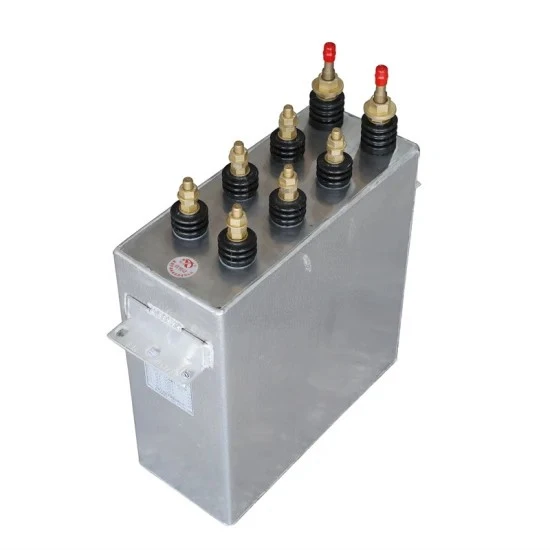
- Capacitor Compatibility: If the KP thyristor is used in a circuit with capacitors, make sure that the capacitors are compatible with the thyristor. Induction Heating Capacitor should be selected based on the voltage, current, and frequency requirements of the application. Incorrect capacitor selection can cause resonance problems, which can damage the thyristor.
- Transformer Compatibility: When using a KP thyristor in a circuit with a transformer, ensure that the transformer is properly sized and rated for the application. The transformer should be able to provide the necessary voltage and current to the thyristor without overloading. A Furnace Pulse Transformer Board can be used to ensure proper pulse control and compatibility with the thyristor.
Conclusion
Extending the lifespan of a KP thyristor requires a combination of proper installation, optimal operating conditions, protection and monitoring, regular maintenance and testing, and compatibility with other components. By following the tips outlined in this blog, you can maximize the performance and reliability of your KP thyristor, reducing the need for frequent replacements and saving costs in the long run.
As a KP thyristor supplier, we are committed to providing high - quality products and excellent technical support. If you have any questions about extending the lifespan of a KP thyristor or need help selecting the right thyristor for your application, please feel free to contact us for procurement and further discussions.
References
- Manufacturer's datasheets for KP thyristors
- Electrical engineering textbooks on power electronics
- Industry standards and guidelines for thyristor applications