

Hey there! As a supplier of IGBT modules, I've been getting a lot of questions lately about what the performance requirements of these modules are for UPS (Uninterruptible Power Supply) applications. So, I thought I'd sit down and write this blog to share my thoughts and insights on the topic.
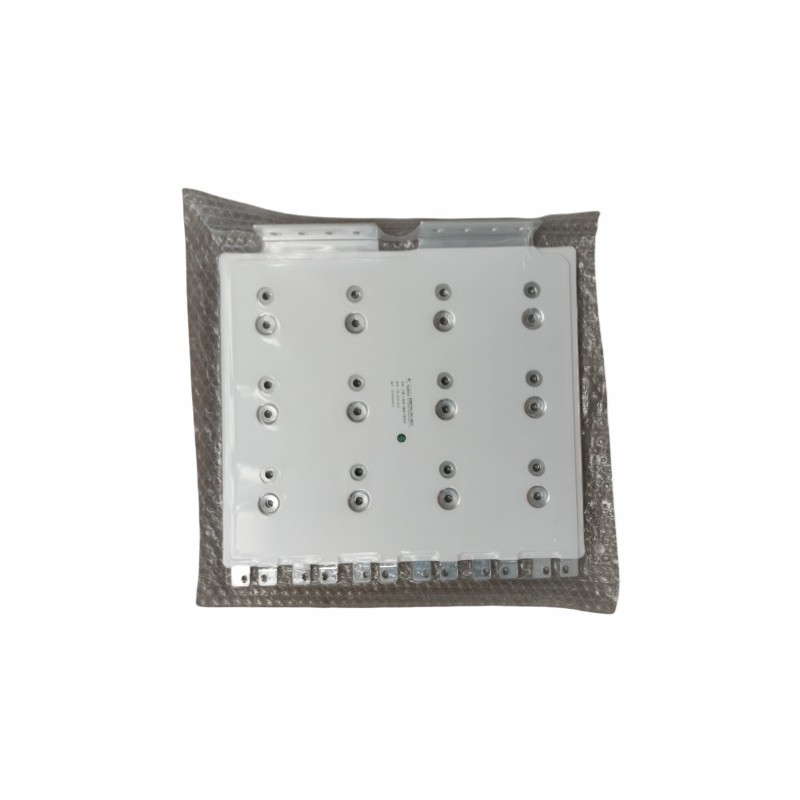
First off, let's quickly go over what IGBT modules are. IGBT stands for Insulated Gate Bipolar Transistor. These modules are basically power semiconductor devices that combine the advantages of MOSFETs (Metal-Oxide-Semiconductor Field-Effect Transistors) and bipolar junction transistors. They're known for their high input impedance, fast switching speed, and ability to handle high voltages and currents.
Now, when it comes to UPS applications, IGBT modules play a crucial role. UPS systems are designed to provide emergency power to electrical equipment when the main power source fails. They need to be reliable, efficient, and able to respond quickly to power outages. That's where IGBT modules come in. They're used in the inverter section of the UPS to convert DC power from the battery into AC power for the connected equipment.
So, what are the key performance requirements for IGBT modules in UPS applications?
1. High Voltage and Current Capability
UPS systems often need to handle a wide range of voltages and currents depending on the size and type of the equipment they're powering. For example, a small UPS for a home computer might only need to handle a few hundred watts, while a large industrial UPS could be required to supply thousands of kilowatts.
IGBT modules used in UPS applications need to have a high voltage rating to withstand the DC bus voltage of the UPS system. This typically ranges from a few hundred volts to over a thousand volts. At the same time, they also need to be able to handle high currents without overheating or failing. A high current rating ensures that the IGBT module can deliver the necessary power to the load during a power outage.
2. Fast Switching Speed
In a UPS system, the IGBT modules need to switch on and off rapidly to convert the DC power from the battery into AC power. A fast switching speed is essential for several reasons. Firstly, it helps to reduce the switching losses in the IGBT module, which improves the overall efficiency of the UPS system. Secondly, it allows the UPS to respond quickly to changes in the load or power source, ensuring a stable and reliable power supply to the connected equipment.
Modern IGBT modules are designed with advanced semiconductor technologies to achieve fast switching speeds. For example, some IGBT modules use trench gate technology, which reduces the internal resistance of the device and allows for faster switching.
3. Low Conduction and Switching Losses
Efficiency is a critical factor in UPS applications. A UPS system that consumes less power during normal operation and power conversion can save energy and reduce operating costs. IGBT modules contribute to the overall efficiency of the UPS system through their conduction and switching losses.
Conduction losses occur when the IGBT module is in the on-state and current is flowing through it. These losses are proportional to the on-state voltage drop of the IGBT module and the current flowing through it. A lower on-state voltage drop means lower conduction losses.
Switching losses, on the other hand, occur when the IGBT module is switching on and off. These losses are related to the switching speed of the module and the energy required to charge and discharge the internal capacitances of the device. By reducing both conduction and switching losses, IGBT modules can help to improve the efficiency of the UPS system.
4. Good Thermal Performance
Heat management is another important aspect of IGBT module performance in UPS applications. When the IGBT module is operating, it generates heat due to the conduction and switching losses. If this heat is not dissipated effectively, it can cause the temperature of the module to rise, which can lead to reduced performance, reliability issues, and even device failure.
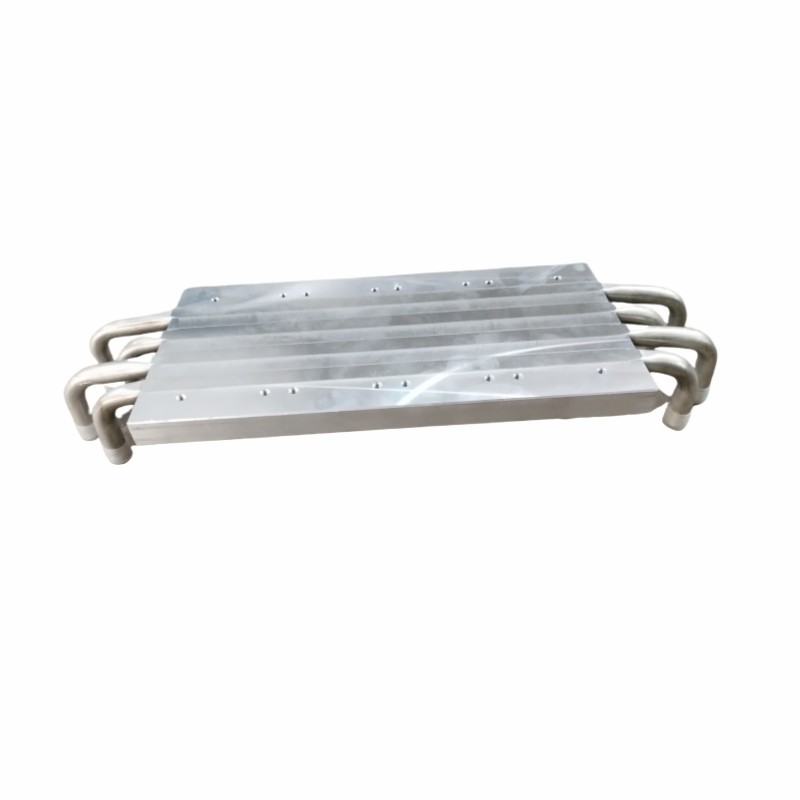
To ensure good thermal performance, IGBT modules are often mounted on heat sinks or Water Cooling Plate for IGBT Modules. These cooling solutions help to transfer the heat from the IGBT module to the surrounding environment. Additionally, some IGBT modules are designed with low thermal resistance, which allows for better heat transfer and more efficient cooling.
5. High Reliability and Long Lifespan
UPS systems are expected to operate reliably for many years, providing continuous power to critical equipment. Therefore, the IGBT modules used in these systems need to have a high level of reliability and a long lifespan.
IGBT modules are subject to various stresses during operation, such as high voltages, currents, temperatures, and switching frequencies. To ensure reliability, they need to be designed and manufactured using high-quality materials and advanced processes. For example, the semiconductor chips inside the IGBT module should be made from high-purity silicon to minimize defects and improve performance.
In addition, the packaging of the IGBT module also plays an important role in its reliability. A well-designed package can protect the semiconductor chips from environmental factors such as moisture, dust, and mechanical stress.
6. Compatibility with Other Components
In a UPS system, the IGBT module is just one part of a larger electrical circuit. It needs to be compatible with other components such as Laminated Busbar and Control Transformer.
The laminated busbar is used to connect the IGBT module to other parts of the circuit, and it needs to have low inductance and good electrical conductivity to minimize power losses. The control transformer is used to provide the necessary control signals to the IGBT module, and it needs to be properly sized and designed to ensure stable operation.
How We Can Help
As a supplier of IGBT modules, we understand the importance of meeting these performance requirements for UPS applications. Our IGBT modules are designed and manufactured using the latest technologies and high-quality materials to ensure high performance, reliability, and efficiency.
We offer a wide range of IGBT modules with different voltage and current ratings to meet the needs of various UPS systems. Whether you're looking for a small IGBT module for a home UPS or a large one for an industrial application, we've got you covered.
In addition to our high-quality products, we also provide excellent technical support and customer service. Our team of experts can help you select the right IGBT module for your specific UPS application and provide you with any technical assistance you may need.
If you're in the market for IGBT modules for your UPS application, we'd love to hear from you. Contact us today to discuss your requirements and learn more about how our products can help you improve the performance and reliability of your UPS system.
References
- Mohan, N., Undeland, T. M., & Robbins, W. P. (2012). Power Electronics: Converters, Applications, and Design. John Wiley & Sons.
- Erickson, R. W., & Maksimovic, D. (2001). Fundamentals of Power Electronics. Springer.