

Hey there! If you're looking to improve the energy efficiency of your HVAC system, insulating your ducts with fiberglass insulation board is a great place to start. As a fiberglass insulation board supplier, I've seen firsthand the benefits that proper duct insulation can bring. In this blog post, I'll walk you through the process of insulating HVAC ducts with fiberglass insulation board, from start to finish.
Why Insulate HVAC Ducts?
Before we dive into the how-to, let's talk about why you should insulate your HVAC ducts in the first place. There are several key reasons:
- Energy Efficiency: Insulating your ducts helps to reduce heat loss or gain, which means your HVAC system doesn't have to work as hard to maintain the desired temperature. This can lead to significant energy savings over time.
- Comfort: By preventing heat transfer, insulated ducts can help to keep your home or building more comfortable. You'll experience fewer hot or cold spots, and the temperature will be more consistent throughout the space.
- Noise Reduction: Fiberglass insulation board also has sound-absorbing properties, which can help to reduce the noise generated by your HVAC system. This is especially beneficial if your ducts are located near living areas or bedrooms.
- Condensation Prevention: Insulating your ducts can help to prevent condensation from forming on the surface of the ducts. Condensation can lead to mold growth and other moisture-related problems, so it's important to keep your ducts dry.
Materials and Tools You'll Need
Before you start insulating your HVAC ducts, you'll need to gather the following materials and tools:
- Fiberglass Insulation Board: Choose a high-quality fiberglass insulation board that is specifically designed for HVAC duct insulation. Make sure it has the appropriate R-value for your climate.
- Measuring Tape: You'll need a measuring tape to measure the length and width of your ducts.
- Utility Knife: A sharp utility knife will be used to cut the insulation board to size.
- Adhesive: You'll need an adhesive to attach the insulation board to the ducts. Make sure to choose an adhesive that is compatible with fiberglass insulation and the material of your ducts.
- Tape: You'll need tape to seal the seams of the insulation board and to secure it in place.
- Safety Equipment: Wear safety glasses, gloves, and a dust mask to protect yourself from fiberglass particles.
Step-by-Step Guide to Insulating HVAC Ducts
Now that you have all the materials and tools you need, it's time to start insulating your HVAC ducts. Here's a step-by-step guide:
Step 1: Measure the Ducts
Use a measuring tape to measure the length and width of your ducts. Make sure to measure the entire length of the duct, including any bends or elbows. Write down the measurements so you can use them to cut the insulation board to size.
Step 2: Cut the Insulation Board
Using a utility knife, cut the fiberglass insulation board to the appropriate size based on your measurements. Make sure to cut the board slightly larger than the duct to allow for some overlap.
Step 3: Apply Adhesive
Apply a thin layer of adhesive to the back of the insulation board. Make sure to cover the entire surface evenly. Be careful not to get any adhesive on your hands or clothes.

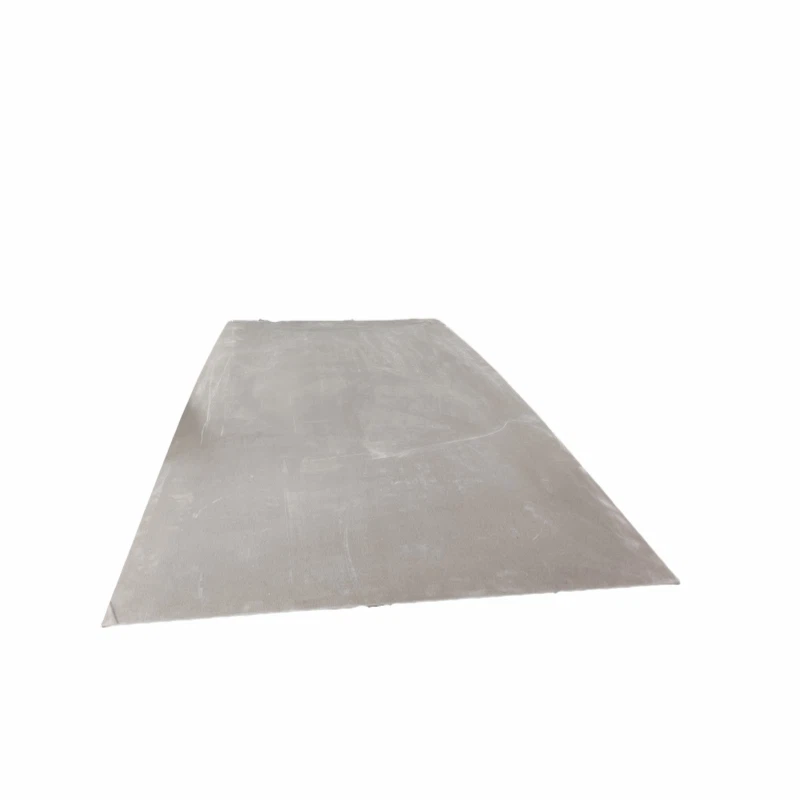
Step 4: Attach the Insulation Board to the Ducts
Carefully place the insulation board on the duct, starting at one end and working your way down. Press the board firmly against the duct to ensure a good bond. Use a roller or your hands to smooth out any air bubbles or wrinkles.
Step 5: Seal the Seams
Once the insulation board is attached to the duct, use tape to seal the seams. Make sure to overlap the tape by at least 2 inches to prevent air leakage.
Step 6: Insulate the Bends and Elbows
For bends and elbows in the duct, you'll need to cut the insulation board into smaller pieces and shape them to fit. Use adhesive and tape to attach the pieces to the duct and seal the seams.
Step 7: Insulate the Joints
Insulate the joints between the ducts using insulation board or insulation tape. This will help to prevent air leakage and improve the overall efficiency of the system.
Step 8: Check for Air Leaks
Once you've finished insulating the ducts, use a smoke pencil or an infrared camera to check for air leaks. If you find any leaks, seal them with tape or additional insulation.
Tips and Tricks
- Work in a Well-Ventilated Area: Fiberglass insulation can release small particles into the air, so it's important to work in a well-ventilated area. Open windows and doors, and use a fan to circulate the air.
- Wear Protective Gear: As mentioned earlier, wear safety glasses, gloves, and a dust mask to protect yourself from fiberglass particles.
- Use the Right Adhesive: Make sure to use an adhesive that is compatible with fiberglass insulation and the material of your ducts. Follow the manufacturer's instructions for application.
- Cut the Insulation Board Carefully: Use a sharp utility knife and make clean cuts to ensure a precise fit. You can also use a straight edge or a ruler to guide your cuts.
- Seal the Seams Properly: Sealing the seams of the insulation board is crucial to prevent air leakage. Make sure to overlap the tape by at least 2 inches and press it firmly against the insulation.
- Insulate the Entire Duct System: To maximize the energy efficiency of your HVAC system, it's important to insulate the entire duct system, including the supply and return ducts.
Related Products
In addition to fiberglass insulation board, we also offer a range of other products that can enhance the performance of your HVAC system. Check out our Golden Mica Sheet, Induction Furnace Dust Removal Hood, and Induction Furnace Assembly Copper Coil for more information.
Contact Us for Procurement
If you're interested in purchasing fiberglass insulation board or any of our other products, we'd love to hear from you. Our team of experts can help you choose the right products for your needs and provide you with a competitive quote. Contact us today to start the procurement process and take your HVAC system to the next level.
References
- "HVAC Duct Insulation: A Guide to Improving Energy Efficiency." Energy.gov.
- "Fiberglass Insulation: Benefits and Installation Tips." HomeAdvisor.
- "How to Insulate HVAC Ducts." This Old House.