

Hey there! As a supplier of filter reactors, I've seen firsthand how crucial it is to keep these components in top - notch condition. A well - maintained filter reactor not only ensures the smooth operation of your electrical system but also extends its lifespan, saving you money in the long run. So, let's dive into how you can maintain a filter reactor.
Regular Visual Inspections
The first step in maintaining a filter reactor is to conduct regular visual inspections. You don't need to be an electrical genius to do this. Just take a good look at the reactor from time to time. Check for any signs of physical damage like cracks, dents, or loose parts. If you spot any of these issues, it's a red flag. Physical damage can lead to electrical problems and even pose a safety hazard.
Look at the connections. Loose connections can cause overheating and arcing, which are bad news for your filter reactor. Make sure all the wires are securely attached and there are no signs of corrosion. Corrosion can increase resistance, leading to energy losses and potential malfunctions.
Temperature Monitoring
Temperature is a key factor when it comes to the health of a filter reactor. High temperatures can degrade the insulation and reduce the reactor's performance. You can use a thermal imaging camera or temperature sensors to monitor the temperature of the reactor.
If you notice that the temperature is consistently higher than normal, there could be an underlying problem. It might be due to overloading, a short - circuit, or poor ventilation. In such cases, you should immediately shut down the system and investigate the cause. Don't ignore high temperatures, as they can lead to costly repairs or even the complete failure of the reactor.
Cleanliness
Keeping your filter reactor clean is essential. Dust, dirt, and debris can accumulate on the reactor over time, which can affect its performance. Use a soft brush or compressed air to clean the exterior of the reactor. Make sure to remove any dust from the cooling fins, if it has them.

For the interior, be extra careful. If you're not experienced with electrical components, it's best to call in a professional. But if you are, you can carefully clean the internal parts. Just make sure to follow all safety procedures, like wearing insulated gloves and disconnecting the power supply before starting.
Lubrication (if applicable)
Some filter reactors have moving parts that require lubrication. Check the manufacturer's guidelines to see if your reactor falls into this category. If it does, use the recommended lubricant and apply it at the specified intervals.
Proper lubrication reduces friction and wear on the moving parts, which helps to keep the reactor running smoothly. But don't over - lubricate, as too much lubricant can attract dust and debris, causing more problems.
Testing and Calibration
Periodic testing and calibration are vital for maintaining the accuracy and performance of a filter reactor. You can use specialized testing equipment to measure parameters like inductance, resistance, and impedance.
Compare the test results with the manufacturer's specifications. If the values are outside the acceptable range, it could indicate a problem. Calibration ensures that the reactor is operating within the required tolerances. This is especially important in applications where precise electrical characteristics are needed.
Protect from Environmental Factors
Filter reactors are sensitive to environmental conditions. Moisture, humidity, and extreme temperatures can all have a negative impact on their performance. If your reactor is installed in an area with high humidity, consider using a dehumidifier or a moisture - resistant enclosure.
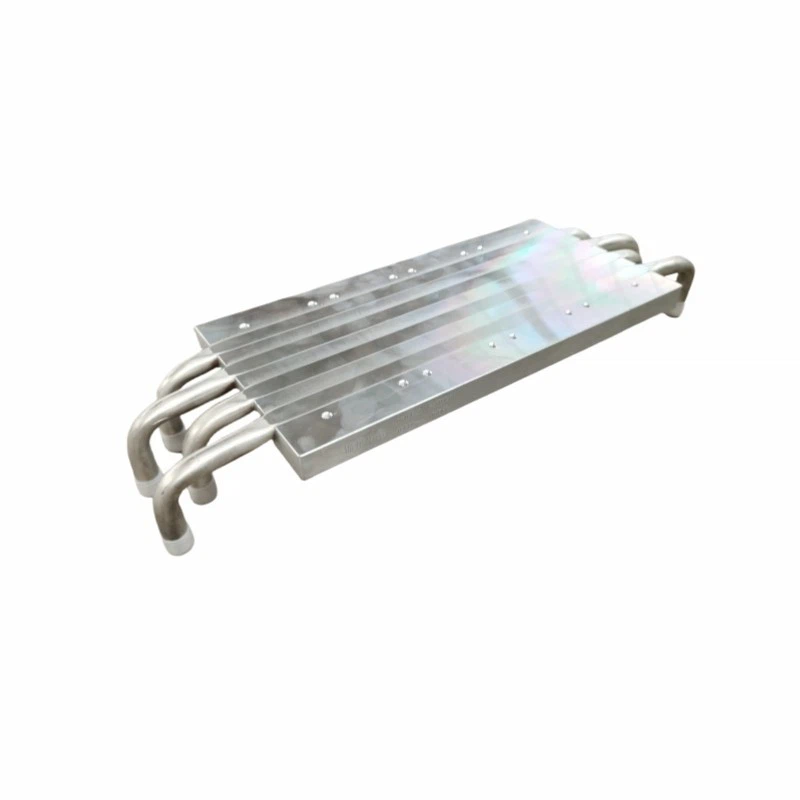
In areas with extreme temperatures, make sure the reactor is properly insulated and has adequate ventilation. For example, if it's in a hot environment, ensure that the cooling system is working efficiently. You can also check out Water Cooling Plate for IGBT Modules which can be a great addition to help with temperature control in some setups.
Documentation
Keep detailed records of all maintenance activities. This includes the dates of inspections, test results, any repairs or replacements, and the type of lubricant used (if applicable). Documentation helps you track the history of the reactor and can be useful for troubleshooting in the future.
It also provides valuable information when it comes to warranty claims. If something goes wrong with the reactor, having a complete maintenance record can prove that you've been taking good care of it.
Training for Staff
If you have a team responsible for the operation and maintenance of the filter reactor, make sure they are properly trained. They should know how to perform basic inspections, monitor temperature, and follow safety procedures.
Training can also help them identify potential problems early on, which can save you from costly breakdowns. You can provide in - house training or send your staff to external training courses.
Use of Quality Accessories
Using high - quality accessories can also contribute to the proper maintenance of a filter reactor. For example, a Control Transformer can help regulate the voltage and protect the reactor from power surges.
When replacing parts or adding accessories, always choose products from reputable manufacturers. This ensures that the components are compatible with your filter reactor and meet the required quality standards.
Regular System Checks
Don't just focus on the filter reactor alone. Conduct regular checks of the entire electrical system. A problem in another part of the system can affect the performance of the reactor.
Look for any signs of abnormal operation, such as flickering lights or unusual noises. These could be indicators of a larger issue that needs to be addressed.
Contact for Purchase and Consultation
If you're in the market for a new filter reactor or need more information about maintenance, feel free to reach out. We're here to help you make the best choice for your electrical system. Our Filter Reactor is designed to meet high - quality standards and comes with excellent support. Whether you're a small business or a large industrial facility, we can provide the right solution for you. Contact us to start a purchase negotiation and get the most out of your electrical setup.
References
- Electrical Equipment Maintenance Handbook
- Manufacturer's Manuals for Filter Reactors
- Industry Standards for Electrical Component Maintenance