

Hey there! As a KP thyristor supplier, I've seen a lot of folks turning to these devices for motor speed control. It's a common choice, and for good reason – they're cost - effective and have decent power - handling capabilities. But like any technology, KP thyristors aren't all sunshine and rainbows when it comes to motor speed control. In this blog, I'm gonna share some of the disadvantages that you need to be aware of.
1. Limited Speed Range
One of the major drawbacks of using a KP thyristor for motor speed control is the limited speed range. KP thyristors work by controlling the phase angle of the AC voltage applied to the motor. This method can only reduce the voltage to a certain extent. If you try to go too low in speed, the motor may not get enough torque to keep running smoothly.
For example, in a conveyor belt system where you might need to slow down the motor to a crawl for delicate operations, a KP thyristor - controlled motor may struggle. The motor could start to stutter or even stall because the reduced voltage isn't providing enough power to overcome the load inertia. This limited speed range can be a real headache, especially in applications that require a wide range of speed adjustments.
2. Poor Power Factor
Power factor is a measure of how effectively electrical power is being used. When using KP thyristors for motor speed control, the power factor can take a nosedive. The phase - angle control method used by KP thyristors causes the current waveform to be distorted. This distortion leads to a situation where the current and voltage are out of phase, which in turn reduces the power factor.
A low power factor means that you're drawing more current from the power supply than you actually need to do the work. This not only increases your electricity bills but can also put stress on the power distribution system. Utilities may even charge you extra for having a poor power factor. In an industrial setting where multiple motors are being controlled by KP thyristors, the cumulative effect of a low power factor can be significant.

3. High Harmonic Distortion
Harmonics are unwanted frequencies that are introduced into the electrical system due to the non - linear operation of devices like KP thyristors. When a KP thyristor is used for motor speed control, the phase - angle control creates sharp edges in the voltage and current waveforms. These sharp edges generate harmonics.
High harmonic distortion can cause a whole host of problems. For starters, it can overheat the motor windings, reducing the motor's lifespan. It can also interfere with other sensitive electronic equipment in the vicinity. For example, in a factory where there are PLCs and other control systems, the harmonics from the KP thyristor - controlled motors can cause false readings and malfunctions in these devices. You might need to install additional filters to mitigate the harmonic distortion, which adds to the overall cost and complexity of the system.
4. Lack of Smooth Starting and Stopping
Another issue with using KP thyristors for motor speed control is the lack of smooth starting and stopping. Since the KP thyristor controls the motor by adjusting the phase angle of the voltage, when you start the motor, there can be a sudden jerk. This is because the voltage is applied in a step - like manner rather than gradually ramping up.
Similarly, when you stop the motor, the sudden interruption of the voltage can cause the motor to come to a halt abruptly. This can be a problem in applications where smooth operation is critical, such as in a printing press or a precision manufacturing machine. The sudden starting and stopping can cause wear and tear on the mechanical components of the motor and the connected equipment, leading to increased maintenance costs.
5. Difficulty in Dynamic Response
KP thyristors are not very good at handling dynamic changes in the motor load. In applications where the load on the motor can change rapidly, such as in a crane or a lift, the KP thyristor - controlled motor may not be able to respond quickly enough.
The phase - angle control mechanism of the KP thyristor has a certain time delay in adjusting the motor speed. This delay can cause the motor to over - or under - speed in response to a sudden change in the load. For example, if a crane suddenly picks up a heavier load, the motor may not be able to increase its speed fast enough to keep the load moving smoothly. This can lead to safety issues and inefficiencies in the operation of the equipment.
Accessories and Their Role
Now, if you're still considering using KP thyristors for motor speed control despite these disadvantages, there are some accessories that can help mitigate the problems. For instance, a Transformer For Intermediate Frequency Furnace can be used to adjust the voltage levels more precisely, which may improve the motor's performance.
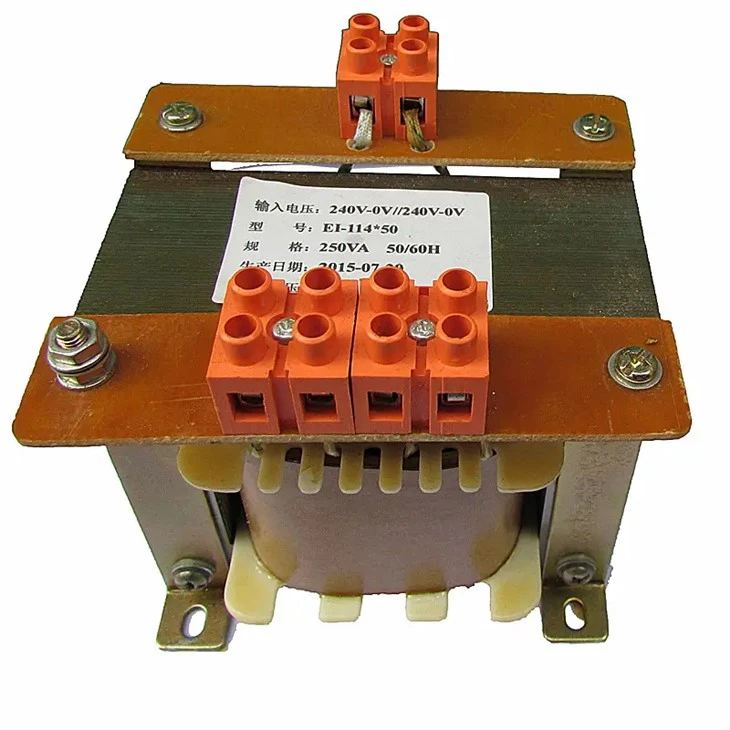
A Control Transformer can also play a role in providing stable and regulated power to the control circuit of the thyristor, helping to reduce some of the issues related to power factor and harmonic distortion. And a Main Control Board Of Thyristor Power Supply can offer better control algorithms to improve the dynamic response of the motor speed control system.
Conclusion and Call to Action
In conclusion, while KP thyristors have their place in the world of motor speed control, they come with their fair share of disadvantages. Limited speed range, poor power factor, high harmonic distortion, lack of smooth starting and stopping, and difficulty in dynamic response are all issues that need to be considered.
However, if you're still interested in using KP thyristors for your motor speed control needs, I'm here to help. As a supplier, I can provide you with high - quality KP thyristors and offer advice on how to use them effectively, along with the right accessories. If you want to learn more or discuss your specific requirements, don't hesitate to reach out. We can have a chat about how to make the most of KP thyristors while minimizing their drawbacks.
Let's work together to find the best solution for your motor speed control applications. Whether it's choosing the right accessories or optimizing the control strategy, we can figure it out. So, drop me a line and let's start the conversation!
References
- Electric Machinery Fundamentals by Stephen J. Chapman
- Power Electronics: Converters, Applications, and Design by Ned Mohan