

Hey there! As a hydraulic station supplier, I often get asked whether a hydraulic station can be used in a high-temperature environment. Well, let's dive right into this topic and find out.
First off, we need to understand how a hydraulic station works. A hydraulic station is a power unit that provides pressurized hydraulic fluid to a hydraulic system. It typically consists of a hydraulic pump, a motor, a reservoir, valves, and filters. The pump is driven by the motor to suck in hydraulic fluid from the reservoir and then pressurize it before sending it to the hydraulic actuators in the system.
Now, high-temperature environments can pose some real challenges to hydraulic stations. One of the main issues is the effect of heat on the hydraulic fluid. Hydraulic fluid is like the lifeblood of the hydraulic system. When the temperature rises, the viscosity of the hydraulic fluid decreases. Viscosity is a measure of a fluid's resistance to flow. A lower viscosity means the fluid flows more easily, but it can also lead to problems.
For example, if the viscosity drops too much, it can cause increased leakage in the hydraulic system. Leakage not only wastes the hydraulic fluid but also reduces the efficiency of the system. The seals in the hydraulic components are also more likely to fail in high temperatures. Seals are crucial for preventing fluid leakage and maintaining the pressure in the system. When they fail, it can lead to all sorts of issues, from reduced performance to complete system breakdown.
Another problem is the impact of high temperatures on the hydraulic pump. The pump has moving parts that rely on the proper lubrication provided by the hydraulic fluid. When the fluid's viscosity changes due to heat, the lubrication may not be as effective. This can cause increased wear and tear on the pump components, shortening their lifespan and potentially leading to costly repairs or replacements.
But does this mean that a hydraulic station can't be used in a high-temperature environment at all? Not necessarily. There are ways to make a hydraulic station more suitable for high temperatures.

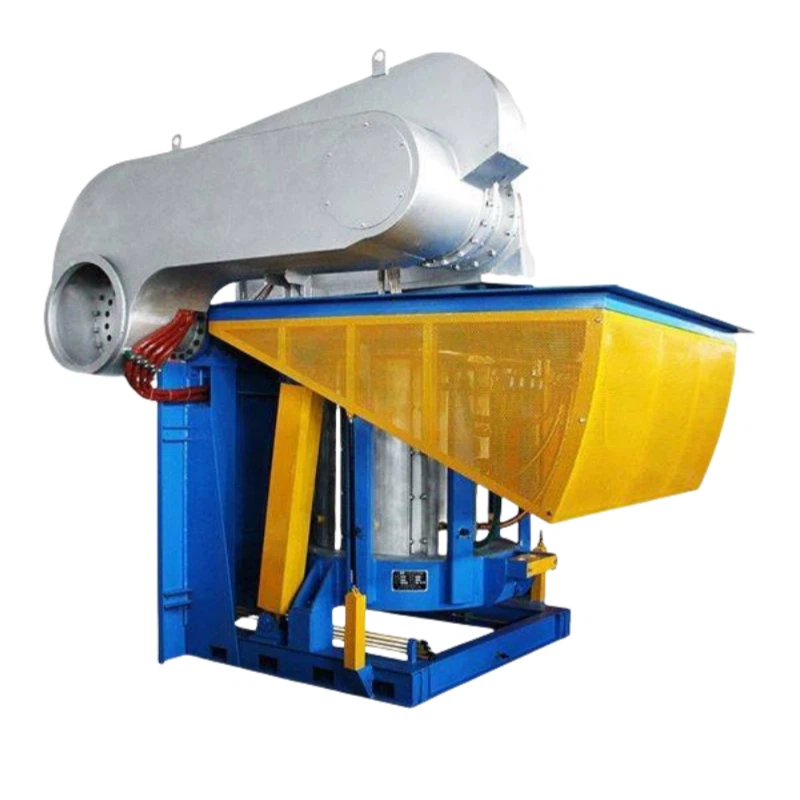
One option is to use high-temperature-resistant hydraulic fluid. These fluids are specifically designed to maintain their viscosity and lubricating properties at elevated temperatures. They can withstand higher temperatures without breaking down or losing their effectiveness as quickly as regular hydraulic fluids.
We can also take measures to cool the hydraulic station. Installing a cooling system, such as a radiator or a heat exchanger, can help dissipate the heat generated in the system. This keeps the temperature of the hydraulic fluid within an acceptable range and reduces the risk of damage to the components.
Insulation is another important factor. Using materials like Fiberglass Insulation Board can help prevent heat from entering the hydraulic station from the surrounding environment. It acts as a barrier, reducing the impact of external high temperatures on the internal components of the hydraulic station.
In some industrial settings where high temperatures are common, such as around Induction Furnace Dust Removal Hood, we need to be extra careful with the installation and protection of the hydraulic station. We might also consider using Glass Fiber Insulation Rod to insulate specific parts of the system and protect them from heat.
When it comes to the design of the hydraulic station, we can optimize it for high-temperature operation. For example, we can increase the size of the reservoir. A larger reservoir holds more hydraulic fluid, which means there's more heat capacity. This helps to buffer the temperature changes and makes it easier to keep the fluid temperature stable.
We also need to pay attention to the ventilation of the hydraulic station. Good ventilation allows hot air to escape and fresh air to enter, which helps in cooling the components. Ensuring that the hydraulic station is installed in a well-ventilated area is crucial for its performance in high temperatures.
In addition to these technical solutions, regular maintenance is essential. We need to monitor the temperature of the hydraulic fluid and the components regularly. Check for any signs of leakage, wear, or damage. Replace the hydraulic fluid and filters at the recommended intervals to keep the system running smoothly.
So, in conclusion, while high-temperature environments present challenges for hydraulic stations, with the right measures in place, a hydraulic station can be used effectively in such conditions. We, as a hydraulic station supplier, have the expertise and the products to help you overcome these challenges.
If you're facing a high-temperature application and need a reliable hydraulic station, don't hesitate to get in touch with us. We can work with you to design and provide a hydraulic station that meets your specific requirements and can perform well in high temperatures. Whether it's choosing the right hydraulic fluid, installing the appropriate cooling system, or optimizing the design for insulation and ventilation, we've got you covered. Let's have a chat and see how we can help you with your hydraulic needs.
References
- "Hydraulic Systems: Design, Installation, and Maintenance" - A comprehensive guide on hydraulic systems that covers the effects of temperature on hydraulic components.
- Industry reports on high-temperature hydraulic applications and solutions.