

Hey there! As a control transformer supplier, I often get asked about the magnetic core materials used in control transformers. So, I thought I'd write this blog to share some insights on this topic.
Control transformers are crucial in various electrical systems. They're used to step up or step down voltage levels while maintaining a relatively stable output. The magnetic core is one of the most important parts of a control transformer, as it plays a key role in the transfer of electrical energy.
Let's start with one of the most common magnetic core materials: silicon steel. Silicon steel, also known as electrical steel, is a popular choice for control transformers. It has low core losses, which means it can convert electrical energy into magnetic energy and back to electrical energy with minimal loss. This is great for efficiency, especially in applications where the transformer will be running for long periods. The silicon in the steel helps to reduce eddy current losses, which are caused by the flow of induced currents in the core. These losses can generate heat and reduce the overall efficiency of the transformer.
Another advantage of silicon steel is its high magnetic permeability. This means it can easily conduct magnetic flux, allowing the transformer to transfer energy more effectively. It's also relatively inexpensive compared to some other magnetic core materials, making it a cost - effective option for many control transformer applications.
Next up is ferrite. Ferrite cores are made from ceramic materials that contain iron oxide mixed with other metals such as nickel, zinc, or manganese. Ferrite has a very high electrical resistivity, which means it can significantly reduce eddy current losses. This makes it ideal for high - frequency applications. In control transformers used in electronic devices where high - frequency signals are involved, ferrite cores can provide better performance.
Ferrite cores also have a wide range of magnetic properties that can be tailored during the manufacturing process. For example, we can adjust the composition to achieve different levels of permeability and saturation flux density. This flexibility allows us to design control transformers that are optimized for specific applications.
However, ferrite has some limitations. It has a relatively low saturation flux density compared to silicon steel. This means that in applications where high magnetic flux is required, ferrite cores may not be the best choice. Also, ferrite cores are more brittle than silicon steel cores, which can make them more difficult to handle during the manufacturing process.
Amorphous metal is another magnetic core material that's gaining popularity in control transformers. Amorphous metals are formed by rapidly cooling a molten metal alloy, which results in a non - crystalline structure. This unique structure gives amorphous metal some excellent magnetic properties.
Amorphous metal has extremely low core losses, even lower than silicon steel. This makes it very efficient in energy conversion. It also has a high saturation flux density, which means it can handle high magnetic fields without saturating. These properties make amorphous metal suitable for applications where high efficiency and high power density are required.
One drawback of amorphous metal is its higher cost compared to silicon steel. The manufacturing process of amorphous metal is more complex, which drives up the price. But as technology advances and production volumes increase, the cost is gradually becoming more competitive.
Now, let's talk about some of the accessories that can work in conjunction with control transformers. For example, a Laminated Busbar can be used to connect different components in an electrical system. It provides a low - impedance path for current flow, which can improve the overall performance of the system.
An Evaluation Board for IGBT Module is also very useful. IGBT (Insulated - Gate Bipolar Transistor) modules are often used in power electronics applications. The evaluation board allows engineers to test and evaluate the performance of these modules in a controlled environment before integrating them into a larger system.
And then there's the Furnace Pulse Transformer Board. In induction heating applications, this board can play a crucial role in controlling the power and frequency of the pulse signals sent to the furnace. It helps to ensure that the furnace operates efficiently and safely.
When choosing the right magnetic core material for a control transformer, several factors need to be considered. First of all, the operating frequency is a key factor. As we've seen, ferrite is better suited for high - frequency applications, while silicon steel is more commonly used in low - to medium - frequency applications.
The power requirements of the application also matter. If high power is needed, materials with high saturation flux density like silicon steel or amorphous metal may be more appropriate. Cost is another important consideration. For budget - conscious projects, silicon steel is often the go - to choice.
As a control transformer supplier, I understand that every application is unique. That's why we offer a wide range of control transformers with different magnetic core materials. Whether you need a transformer for a small electronic device or a large industrial system, we can help you find the right solution.
If you're in the market for control transformers or want to learn more about our products, don't hesitate to get in touch. We're always happy to discuss your specific requirements and provide you with the best options for your project. Our team of experts is ready to assist you in making the right choice for your electrical system.

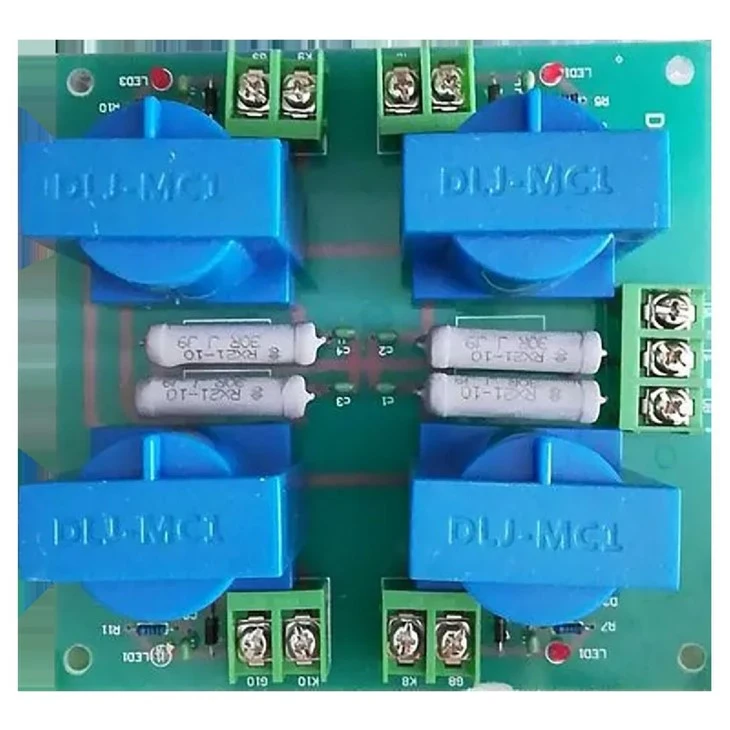
In conclusion, the choice of magnetic core material in a control transformer depends on a variety of factors such as operating frequency, power requirements, and cost. Each material has its own advantages and disadvantages, and by understanding these, you can make an informed decision when selecting a control transformer for your application.
References:
- "Electrical Transformers and Power Equipment" by T. A. Lipo
- "Magnetic Materials and Their Applications" by E. C. Snelling