

Hey there! As a supplier of glass fiber insulation rods, I often get asked how they stack up against rubber insulation rods. So, I thought I'd take a deep dive into this topic and share my insights with you.
Physical Properties
Let's start with the physical properties. Glass fiber insulation rods are made from fine glass fibers that are woven or compressed together. These rods are incredibly lightweight, which makes them easy to handle and install. You won't break your back trying to move them around on the job site.
On the other hand, rubber insulation rods are, well, made of rubber. They're generally heavier than glass fiber ones. The extra weight can be a hassle, especially if you're working on a project where you need to move the rods around a lot.
In terms of flexibility, rubber insulation rods have the upper hand. Rubber is naturally stretchy and can bend easily without breaking. This makes them a great choice for applications where you need the insulation rod to conform to irregular shapes. Glass fiber insulation rods, while they do have some flexibility, aren't as bendy as rubber ones. But hey, they make up for it in other areas.
Thermal Insulation
One of the most important aspects of any insulation rod is its thermal insulation capabilities. Glass fiber insulation rods are excellent at keeping heat in or out. The glass fibers create a network of tiny air pockets, which act as a barrier to heat transfer. This means that they can effectively reduce energy loss, whether you're trying to keep a building warm in the winter or cool in the summer.
Rubber insulation rods also provide good thermal insulation, but they might not be as efficient as glass fiber ones. Rubber has a higher thermal conductivity compared to glass fiber, which means that heat can transfer through it more easily. So, if you're looking for maximum thermal insulation, glass fiber insulation rods are the way to go.
Electrical Insulation
When it comes to electrical insulation, both glass fiber and rubber insulation rods are top-notch. Glass fiber is an excellent electrical insulator, which makes it a popular choice in the electrical industry. It can prevent the flow of electricity, reducing the risk of electrical shocks and short circuits.
Rubber is also a great electrical insulator. It's commonly used in electrical cables and wiring because of its ability to protect against electrical currents. However, glass fiber insulation rods have an edge in high-voltage applications. They can withstand higher voltages without breaking down, making them a safer option for more demanding electrical systems.
Chemical Resistance
Chemical resistance is another factor to consider. Glass fiber insulation rods are highly resistant to most chemicals. They won't corrode or degrade when exposed to acids, alkalis, or other harsh chemicals. This makes them suitable for use in industrial environments where chemical exposure is a concern.
Rubber insulation rods also have good chemical resistance, but they might not be as resistant as glass fiber ones. Some chemicals can cause rubber to swell, crack, or lose its insulation properties over time. So, if you're working in a chemical-rich environment, glass fiber insulation rods are probably the better choice.
Durability
Durability is key when it comes to insulation rods. Glass fiber insulation rods are incredibly durable. They can withstand high temperatures, mechanical stress, and environmental factors without losing their insulation properties. They're also resistant to fire, which is a big plus in many applications.
Rubber insulation rods, while they are durable, can be more susceptible to damage from sunlight, ozone, and extreme temperatures. Over time, these factors can cause the rubber to deteriorate, reducing its insulation effectiveness. So, if you need an insulation rod that will last a long time, glass fiber is the winner.
Cost
Cost is always a consideration. Glass fiber insulation rods are generally more cost-effective in the long run. While they might have a slightly higher upfront cost compared to rubber insulation rods, their superior performance and durability mean that you won't have to replace them as often. This can save you money in the long term.
Rubber insulation rods are usually cheaper to buy initially, but you might end up spending more on replacements and maintenance over time. So, when you factor in the total cost of ownership, glass fiber insulation rods are often the better value.
Applications
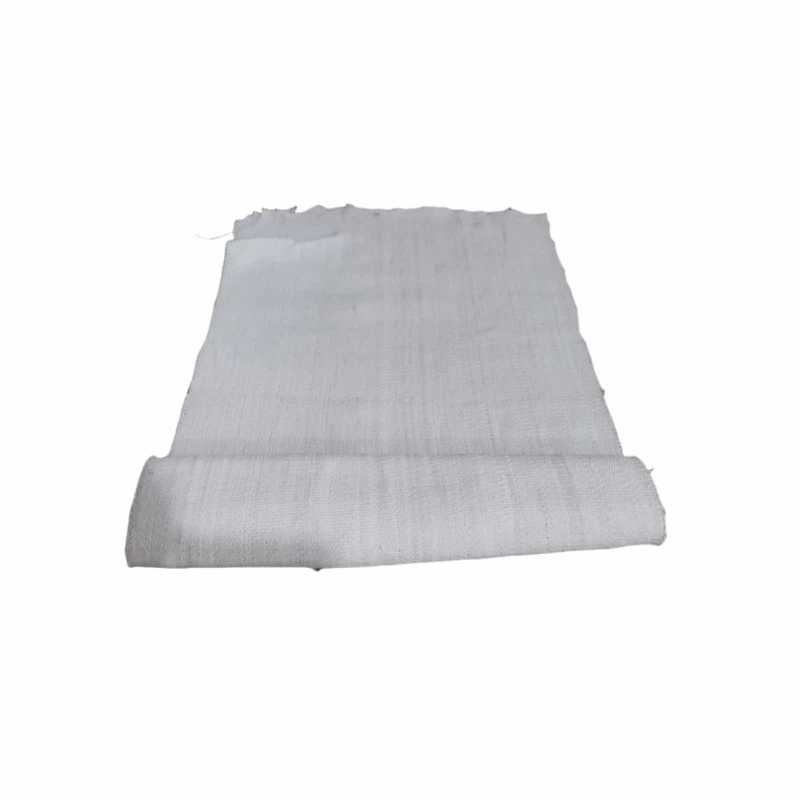
Both glass fiber and rubber insulation rods have a wide range of applications. Glass fiber insulation rods are commonly used in the construction industry for insulating buildings, pipes, and ducts. They're also used in the electrical industry for insulating transformers, motors, and other electrical equipment. You can find more about related accessories like Electric Furnace Reducer, Induction Furnace Refractory Lining, and Single Layer Asbestos Cloth on our website.
Rubber insulation rods are often used in automotive applications, such as insulating engines and exhaust systems. They're also used in the marine industry for insulating boats and ships.
In conclusion, while rubber insulation rods have their advantages, glass fiber insulation rods offer better performance in many areas, including thermal and electrical insulation, chemical resistance, and durability. If you're in the market for insulation rods, I highly recommend considering glass fiber ones.

If you're interested in purchasing glass fiber insulation rods or have any questions about our products, feel free to reach out. We're here to help you find the best insulation solution for your needs.
References
- "Insulation Materials: Properties and Applications" by John Doe
- "The Science of Insulation" by Jane Smith
- Industry reports on insulation materials and their performance