

Hey there! I'm a supplier of hydraulic stations, and today I wanna share with you how to design a hydraulic manifold block for a hydraulic station. It's a pretty crucial part of the whole setup, and getting it right can make a huge difference in the performance of your hydraulic system.
Understanding the Basics
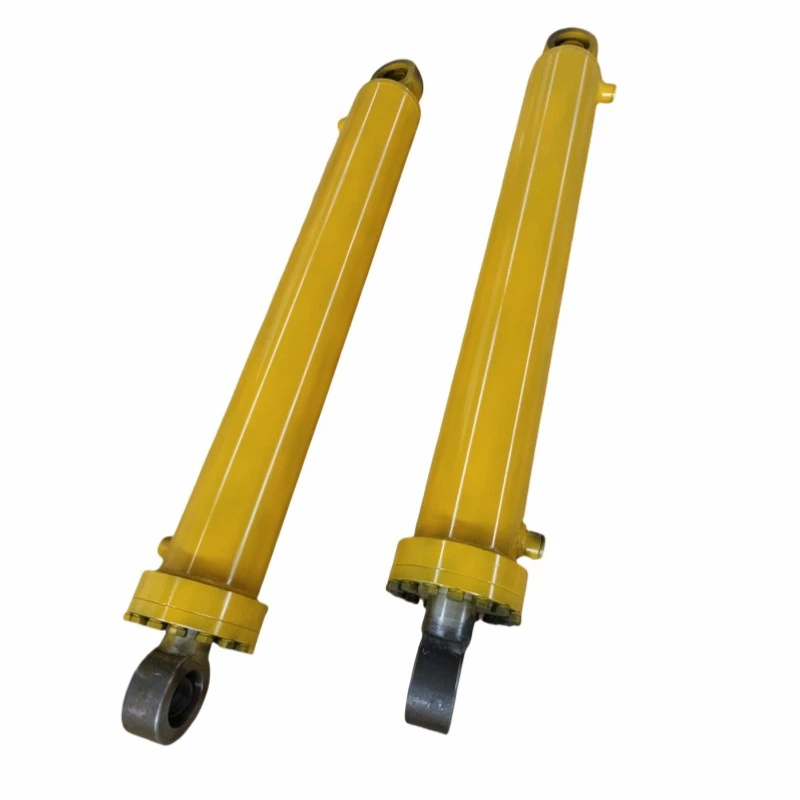
First things first, let's talk about what a hydraulic manifold block is. It's like the central nervous system of a hydraulic station. It's a block of metal, usually made of aluminum or steel, that has a bunch of channels and ports inside. These channels are used to direct the flow of hydraulic fluid to different components in the system, like pumps, valves, and Hydraulic Cylinder.
The main purpose of a hydraulic manifold block is to simplify the plumbing of a hydraulic system. Instead of having a bunch of hoses and tubes running all over the place, you can consolidate everything into one compact block. This not only makes the system look neater but also reduces the risk of leaks and makes maintenance a whole lot easier.
Step 1: Define the Requirements
The first step in designing a hydraulic manifold block is to figure out what your system needs. You gotta think about things like the flow rate, pressure, and the number of valves and other components you're gonna use. This information will help you determine the size and shape of the manifold block, as well as the number and size of the channels and ports.
For example, if you have a high-flow system, you'll need larger channels to accommodate the increased volume of fluid. On the other hand, if you're dealing with high pressure, you'll need to make sure the block is made of a material that can handle it. You might also need to consider the operating environment, such as temperature and humidity, as these factors can affect the performance of the hydraulic fluid and the components.
Step 2: Select the Components
Once you've defined the requirements, it's time to choose the components that will be installed on the manifold block. This includes valves, pumps, filters, and other accessories. You need to make sure that all the components are compatible with each other and with the hydraulic fluid you're using.
When selecting valves, for example, you need to consider their function, such as directional control, pressure control, or flow control. You also need to think about the size and type of the valve, as well as its operating pressure and flow rate. It's a good idea to consult with the valve manufacturer to get their recommendations based on your specific requirements.
Step 3: Design the Layout
Now comes the fun part – designing the layout of the manifold block. This is where you decide where all the components will be placed and how the channels will be routed. You want to make sure that the layout is as compact as possible while still allowing for easy access to the components for maintenance and repair.
One important thing to keep in mind is the flow path of the hydraulic fluid. You want to minimize the number of bends and turns in the channels to reduce pressure drop and improve the efficiency of the system. You also need to make sure that the channels are sized correctly to prevent cavitation and other flow-related problems.
Step 4: Create the CAD Model
Once you have a rough idea of the layout, it's time to create a detailed CAD (Computer-Aided Design) model of the manifold block. This will allow you to visualize the design in 3D and make any necessary adjustments before manufacturing.
There are many CAD software programs available, both free and paid. Some popular ones include AutoCAD, SolidWorks, and Fusion 360. These programs allow you to create detailed models of the manifold block, including the channels, ports, and mounting holes. You can also use them to perform simulations to test the performance of the design.
Step 5: Review and Optimize the Design
After creating the CAD model, it's important to review the design carefully to make sure it meets all the requirements. You should check for things like proper flow path, adequate wall thickness, and correct sizing of the channels and ports. You might also want to get feedback from other engineers or experts in the field to get a fresh perspective.
If you find any issues or areas for improvement, you can make the necessary changes to the CAD model and repeat the review process until you're satisfied with the design. This iterative process helps to ensure that the final design is optimized for performance and reliability.
Step 6: Manufacture the Manifold Block
Once the design is finalized, it's time to manufacture the manifold block. This typically involves machining the block from a solid piece of metal using a CNC (Computer Numerical Control) machine. The CNC machine uses the CAD model to precisely cut the channels and ports in the block.
After machining, the block is usually heat-treated to improve its strength and durability. It's then finished with a coating or plating to protect it from corrosion. Finally, the components are installed on the block, and the system is tested to make sure it works properly.
Step 7: Test and Validate the System
Before putting the hydraulic system into operation, it's crucial to test and validate it to make sure it meets all the performance requirements. This involves running the system under different operating conditions and measuring things like flow rate, pressure, and temperature.
You can use a variety of testing equipment, such as pressure gauges, flow meters, and temperature sensors, to collect data during the testing process. If any issues are detected, you can make the necessary adjustments to the system and repeat the testing until it meets the specifications.
Additional Considerations
When designing a hydraulic manifold block, there are a few additional things to keep in mind. For example, you might need to consider the use of Single Layer Asbestos Cloth or Induction Furnace Magnetic Yoke in the system, depending on your specific requirements. These accessories can help improve the performance and reliability of the hydraulic system.
You also need to think about the long-term maintenance and servicing of the manifold block. Make sure that the design allows for easy access to the components and that there are provisions for flushing and cleaning the system. Regular maintenance is essential to keep the hydraulic system running smoothly and to prevent costly breakdowns.
Conclusion
Designing a hydraulic manifold block for a hydraulic station is a complex but rewarding process. By following the steps outlined in this blog post, you can ensure that your design is optimized for performance, reliability, and ease of maintenance.
If you're in the market for a hydraulic station or need help with the design of a hydraulic manifold block, don't hesitate to get in touch. We're a leading supplier of hydraulic stations, and we have the expertise and experience to help you find the right solution for your needs. Contact us today to start the conversation and let's work together to build a high-quality hydraulic system for your application.

References
- Hydraulic System Design Handbook
- Fluid Power Technology Textbooks
- Manufacturer's Documentation for Hydraulic Components