

How to Install a Control Transformer Correctly
As a well - established control transformer supplier, I understand the importance of correct installation for the optimal performance and safety of control transformers. In this blog post, I will guide you through the process of installing a control transformer correctly, covering all the essential steps and precautions.
1. Pre - installation Preparation
Before you start the installation process, it is crucial to conduct a series of preparatory work. First, carefully read the product manual provided by the manufacturer. The manual contains detailed information about the transformer's specifications, electrical ratings, and installation requirements. This will help you understand the unique features of the control transformer you are about to install.
Next, inspect the transformer for any visible damage during transportation. Check the enclosure for cracks, the terminals for loose connections, and the insulation for any signs of wear or tear. If you find any damage, contact the supplier immediately to arrange for a replacement.
You also need to select an appropriate installation location. The location should be well - ventilated to prevent overheating of the transformer. It should be away from sources of moisture, dust, and corrosive substances. In addition, ensure that there is enough space around the transformer for easy access during maintenance.
2. Mounting the Transformer
The first step in mounting the control transformer is to choose the correct mounting method. Control transformers can be mounted either horizontally or vertically, depending on the design and the available space. Most transformers come with mounting holes on the enclosure, which can be used to secure the transformer to a wall or a panel.
When mounting the transformer on a wall, use appropriate wall - mounting brackets. Make sure the brackets are strong enough to support the weight of the transformer. Drill holes in the wall according to the mounting holes on the transformer, and then insert wall plugs. Secure the brackets to the wall using screws. Place the transformer on the brackets and use bolts to fasten it securely.
If you are mounting the transformer on a panel, use panel - mounting hardware. Ensure that the panel is rigid and can withstand the weight of the transformer. Align the mounting holes on the transformer with those on the panel and use nuts and bolts to secure the transformer in place.
3. Electrical Connections
Proper electrical connections are vital for the safe and efficient operation of the control transformer. Before making any connections, make sure the power supply is turned off to avoid electric shock.
First, identify the primary and secondary terminals of the transformer. The primary terminals are connected to the input power source, while the secondary terminals are connected to the load. The terminals are usually labeled on the transformer enclosure.
Connect the primary terminals to the power source using appropriate electrical cables. The cable size should be selected based on the current rating of the transformer. Use wire strippers to remove the insulation from the ends of the cables, and then connect them to the terminals using terminal blocks or screws. Make sure the connections are tight to prevent loose connections, which can cause overheating and electrical failures.
For the secondary connections, connect the load to the secondary terminals in the same way. It is important to note that the load should be compatible with the output voltage and current of the transformer. If you are unsure about the compatibility, consult the product manual or contact the supplier.
In addition to the primary and secondary connections, some control transformers may have additional terminals for grounding. Connect the grounding terminal to a reliable ground source to ensure electrical safety.
4. Protection and Safety Measures
To protect the control transformer and ensure the safety of the electrical system, several protection and safety measures should be implemented.
Install fuses or circuit breakers on the primary side of the transformer. These devices can protect the transformer from over - current and short - circuit conditions. The rating of the fuses or circuit breakers should be selected according to the transformer's current rating.
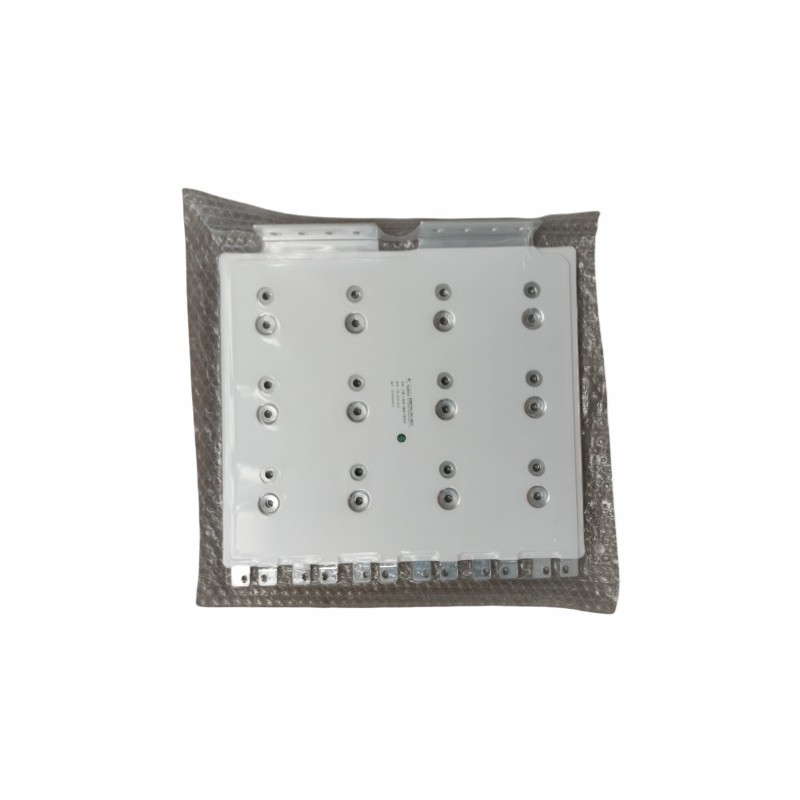

Use appropriate insulation materials to insulate the electrical connections. This can prevent electrical leakage and reduce the risk of electric shock. Wrap the connections with electrical tape or use heat - shrink tubing for better insulation.
Install a transformer enclosure or a protective cover to prevent accidental contact with the transformer's live parts. The enclosure should be made of a non - conductive material and should be properly grounded.
5. Testing and Commissioning
After the installation is complete, it is necessary to conduct a series of tests before putting the control transformer into operation.
First, visually inspect all the electrical connections to ensure they are correct and secure. Check for any loose wires, exposed conductors, or improper insulation.
Then, perform a continuity test on the primary and secondary circuits using a multimeter. This can help you verify that there are no open circuits or short circuits in the electrical system.
Next, turn on the power supply and measure the input and output voltages of the transformer using a voltmeter. The output voltage should be within the specified range of the transformer. If the voltage is not correct, check the connections and the transformer's settings.
Finally, load the transformer gradually and monitor its performance. Check for any abnormal noises, vibrations, or overheating. If you notice any problems, turn off the power supply immediately and troubleshoot the issue.
Related Accessories
As a control transformer supplier, we also offer a range of related accessories to enhance the performance and functionality of your electrical system. You may be interested in our Filter Reactor, which can help reduce electrical noise and interference. Our Carbon Free Rubber Hoses are designed for use in power supply systems, providing reliable insulation and protection. And the Laminated Busbar can improve the efficiency of power distribution in your system.
Conclusion
Installing a control transformer correctly is a complex but essential task. By following the steps and precautions outlined in this blog post, you can ensure the safe and efficient operation of your control transformer. If you have any questions or need further assistance during the installation process, or if you are interested in purchasing control transformers or related accessories, please feel free to contact us. We are always ready to provide you with professional advice and high - quality products.
References
- Electrical Installation Handbook, Schneider Electric
- Transformer Installation and Maintenance Guide, General Electric