

As a professional hydraulic cylinder supplier, I understand the critical importance of protecting hydraulic cylinders in harsh environments. Hydraulic cylinders are essential components in a wide range of industrial applications, from construction machinery to manufacturing equipment. However, harsh environments can pose significant challenges to their performance and longevity. In this blog post, I will share some effective strategies and solutions to safeguard hydraulic cylinders under such conditions.
Understanding the Challenges of Harsh Environments
Harsh environments can vary widely, including extreme temperatures, high humidity, abrasive particles, corrosive chemicals, and heavy vibrations. Each of these factors can have a detrimental impact on hydraulic cylinders if not properly addressed.
Extreme temperatures, whether hot or cold, can affect the viscosity of the hydraulic fluid, leading to poor lubrication and increased wear on the cylinder components. High humidity can cause corrosion on the cylinder surfaces, while abrasive particles can scratch and damage the seals and piston rods. Corrosive chemicals can eat away at the metal parts, and heavy vibrations can loosen connections and cause internal damage.

Selecting the Right Materials
One of the first steps in protecting hydraulic cylinders in harsh environments is to select the right materials. For cylinders operating in high-temperature environments, materials with good heat resistance, such as stainless steel or special alloys, should be considered. These materials can withstand elevated temperatures without losing their strength or integrity.
In corrosive environments, cylinders made of corrosion-resistant materials, such as chrome-plated steel or plastic composites, are recommended. These materials can resist the effects of chemicals and prevent rust and corrosion from forming on the cylinder surfaces.
For applications where abrasive particles are present, cylinders with hardened surfaces or wear-resistant coatings can provide additional protection. These coatings can reduce the friction between the piston rod and the seals, preventing premature wear and damage.
Using Protective Covers
Another effective way to protect hydraulic cylinders in harsh environments is to use protective covers. These covers can shield the cylinders from dust, dirt, moisture, and other contaminants, preventing them from entering the cylinder and causing damage.
There are several types of protective covers available, including bellows, boots, and sleeves. Bellows covers are flexible and can expand and contract with the movement of the cylinder, providing continuous protection. Boots are typically made of rubber or plastic and can be easily installed over the piston rod to prevent dirt and debris from accumulating. Sleeves are similar to boots but are made of a more durable material and can provide additional protection against abrasion and wear.
In addition to protecting the cylinders from external contaminants, protective covers can also help to reduce noise and vibration. This can improve the overall performance of the cylinder and extend its service life.
Implementing Proper Maintenance Procedures
Regular maintenance is essential for ensuring the long-term performance and reliability of hydraulic cylinders in harsh environments. This includes checking the fluid levels, inspecting the seals and gaskets for signs of wear or damage, and cleaning the cylinders regularly to remove any dirt or debris.
It is also important to follow the manufacturer's recommended maintenance schedule and use the correct lubricants and fluids. Using the wrong lubricants or fluids can cause damage to the cylinder components and reduce their performance.
In addition to regular maintenance, it is also recommended to perform periodic inspections of the cylinders to detect any potential problems early. This can help to prevent costly repairs and downtime and ensure that the cylinders are operating at their optimal level.
Utilizing Additional Accessories
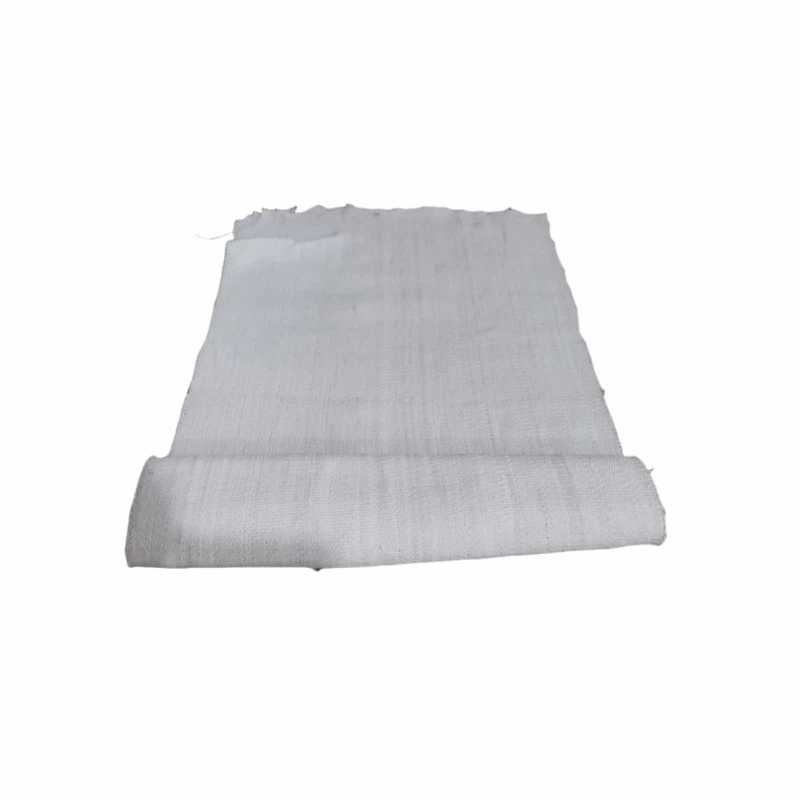
In some cases, additional accessories can be used to enhance the protection of hydraulic cylinders in harsh environments. For example, Single Layer Asbestos Cloth can be used as a heat shield to protect the cylinders from high temperatures. This cloth has excellent heat insulation properties and can reduce the temperature of the cylinder surface, preventing overheating and damage.
Induction Furnace Refractory Lining can also be used to protect the cylinders from the effects of molten metal and high temperatures in foundry applications. This lining can provide a barrier between the cylinder and the molten metal, preventing damage to the cylinder and extending its service life.
Induction Furnace Magnetic Yoke can be used to reduce the electromagnetic interference (EMI) generated by the induction furnace. This can help to protect the hydraulic cylinders from the effects of EMI and ensure their proper operation.
Regular Inspections and Monitoring
Regular inspections and monitoring are crucial for detecting any potential problems with hydraulic cylinders in harsh environments. This includes checking the cylinder for leaks, abnormal noises, or vibrations, as well as monitoring the pressure and temperature of the hydraulic fluid.
By conducting regular inspections, any issues can be identified early, and appropriate measures can be taken to prevent further damage. This can help to minimize downtime and reduce the cost of repairs.
Training and Education
Proper training and education of operators and maintenance personnel are also essential for protecting hydraulic cylinders in harsh environments. Operators should be trained on how to operate the equipment correctly and how to recognize the signs of potential problems. Maintenance personnel should be trained on how to perform regular maintenance and inspections and how to troubleshoot any issues that may arise.
By providing training and education, the likelihood of human error can be reduced, and the overall performance and reliability of the hydraulic cylinders can be improved.
Conclusion
Protecting hydraulic cylinders in harsh environments is essential for ensuring their long-term performance and reliability. By selecting the right materials, using protective covers, implementing proper maintenance procedures, utilizing additional accessories, conducting regular inspections, and providing training and education, the lifespan of hydraulic cylinders can be extended, and the cost of repairs and downtime can be minimized.
If you are looking for high-quality hydraulic cylinders and accessories for your harsh environment applications, please feel free to contact us. We have a wide range of products and solutions to meet your specific needs. Our team of experts can provide you with professional advice and support to help you select the right products and ensure their proper installation and operation.
References
- "Hydraulic Cylinder Design and Application" by John Doe
- "Industrial Hydraulics Handbook" by Jane Smith
- "Materials Science and Engineering" by Robert Johnson