

As a seasoned supplier of PTFE sheets, I often encounter inquiries about the dielectric constant of these remarkable materials. The dielectric constant, also known as relative permittivity, is a fundamental property that plays a crucial role in the performance of PTFE sheets across various applications. In this blog post, I'll delve into the concept of the dielectric constant, explore its significance in PTFE sheets, and provide insights into how it impacts their functionality.
Understanding the Dielectric Constant
Before we dive into the specifics of PTFE sheets, let's first understand what the dielectric constant represents. In simple terms, the dielectric constant is a measure of a material's ability to store electrical energy in an electric field. It is defined as the ratio of the capacitance of a capacitor filled with the material to the capacitance of the same capacitor with a vacuum between its plates. A higher dielectric constant indicates that the material can store more electrical energy for a given electric field strength.
The dielectric constant is influenced by several factors, including the molecular structure of the material, temperature, frequency of the applied electric field, and the presence of impurities or additives. Different materials have different dielectric constants, which can range from less than 1 for gases to several thousand for some ceramics.
Dielectric Constant of PTFE Sheets
PTFE, or polytetrafluoroethylene, is a synthetic fluoropolymer known for its exceptional chemical resistance, low friction coefficient, and high thermal stability. These properties make PTFE sheets a popular choice for a wide range of applications, including electrical insulation, gasketing, and chemical processing.
One of the key features of PTFE is its relatively low dielectric constant. At room temperature and low frequencies (around 1 MHz), the dielectric constant of PTFE typically ranges from 2.0 to 2.1. This low value is due to the unique molecular structure of PTFE, which consists of a carbon backbone surrounded by fluorine atoms. The strong carbon-fluorine bonds and the symmetrical arrangement of the molecules result in a material with low polarizability, meaning that it does not readily respond to an applied electric field.
The low dielectric constant of PTFE sheets offers several advantages in electrical applications. Firstly, it allows for efficient transmission of electrical signals with minimal loss. This makes PTFE an ideal material for high-frequency circuits, such as those used in telecommunications and radar systems. Secondly, the low dielectric constant reduces the capacitance between conductors, which helps to prevent signal interference and crosstalk. This is particularly important in densely packed electronic devices, where multiple circuits are in close proximity to each other.
Factors Affecting the Dielectric Constant of PTFE Sheets
While the dielectric constant of PTFE is relatively stable over a wide range of conditions, it can be affected by several factors. Temperature is one of the most significant factors, as the dielectric constant of PTFE generally increases with increasing temperature. This is because the thermal energy causes the molecules to vibrate more vigorously, which increases their polarizability and hence the dielectric constant. However, the change in dielectric constant with temperature is relatively small compared to many other materials, making PTFE suitable for applications where temperature stability is required.
Frequency is another factor that can influence the dielectric constant of PTFE. At higher frequencies, the dielectric constant of PTFE tends to decrease slightly. This is due to the fact that the molecules cannot respond as quickly to the rapidly changing electric field, resulting in a reduced polarization effect. However, the change in dielectric constant with frequency is also relatively small, and PTFE maintains its low dielectric constant over a wide frequency range.
The presence of impurities or additives can also affect the dielectric constant of PTFE sheets. For example, if the PTFE contains small amounts of moisture or other polar substances, the dielectric constant may increase. Similarly, the addition of fillers or reinforcements to improve the mechanical properties of the PTFE can also have an impact on the dielectric constant. Therefore, it is important to ensure that the PTFE sheets are of high quality and free from contaminants to maintain their low dielectric constant.
Applications of PTFE Sheets Based on Dielectric Constant
The low dielectric constant of PTFE sheets makes them suitable for a variety of electrical and electronic applications. Some of the common applications include:
- Printed Circuit Boards (PCBs): PTFE sheets are often used as a substrate material for high-frequency PCBs. The low dielectric constant and low loss tangent of PTFE help to minimize signal attenuation and distortion, allowing for the efficient transmission of high-speed signals.
- Coaxial Cables: PTFE is widely used as an insulating material in coaxial cables. The low dielectric constant of PTFE ensures that the cable has a low capacitance and high characteristic impedance, which is essential for the proper transmission of electrical signals.
- Microwave Components: PTFE sheets are used in the manufacture of microwave components, such as antennas, filters, and couplers. The low dielectric constant and high thermal stability of PTFE make it an ideal material for these applications, where precise control of the electrical properties is required.
- Insulation in Electrical Equipment: PTFE sheets are used as insulation in various electrical equipment, such as transformers, motors, and generators. The low dielectric constant and excellent electrical insulation properties of PTFE help to prevent electrical breakdown and ensure the safe and reliable operation of the equipment.
Our PTFE Sheets Offerings
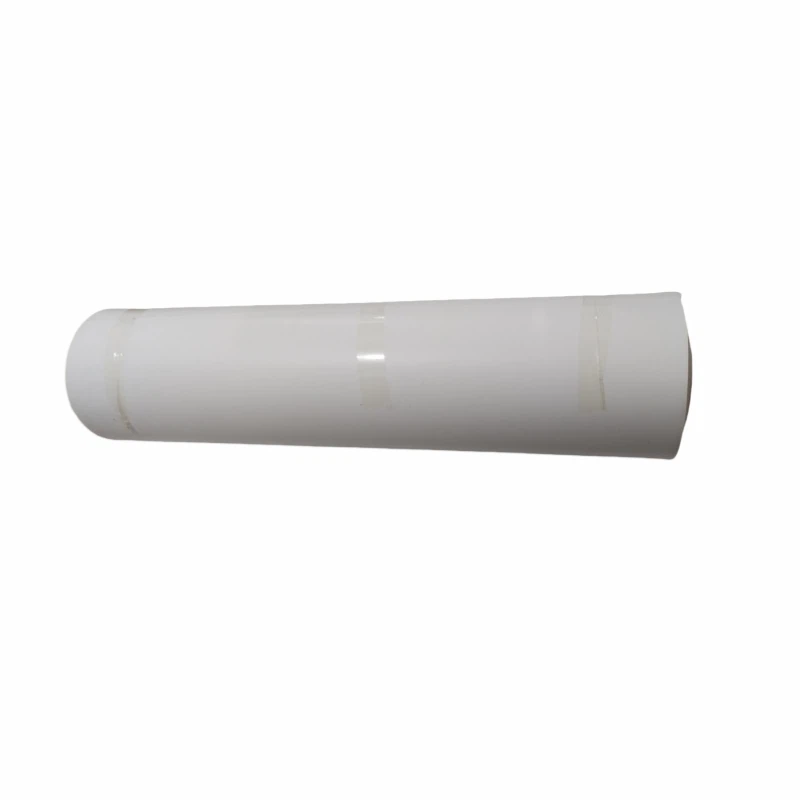
As a leading supplier of PTFE Sheets, we offer a wide range of high-quality products to meet the diverse needs of our customers. Our PTFE sheets are manufactured using advanced processes and strict quality control measures to ensure consistent performance and reliability.
We offer PTFE sheets in various thicknesses, sizes, and grades to suit different applications. Whether you need thin sheets for flexible circuits or thick sheets for heavy-duty insulation, we have the right product for you. Our PTFE sheets are also available with different surface finishes, such as smooth, textured, or coated, to meet specific requirements.
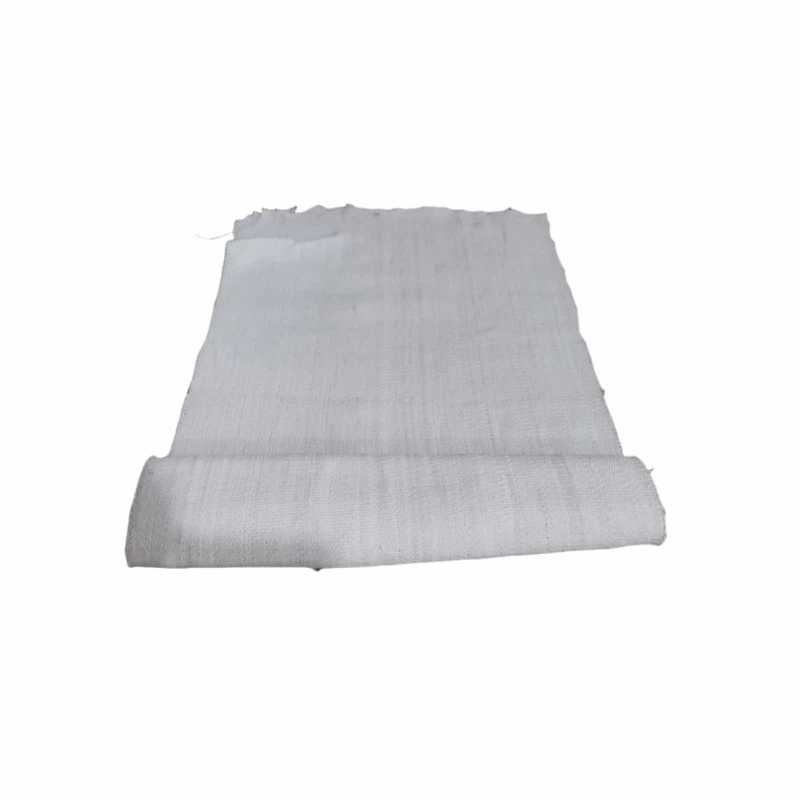
In addition to PTFE sheets, we also supply other related products, such as Hydraulic Station and Single Layer Asbestos Cloth. These products are designed to work in conjunction with our PTFE sheets to provide comprehensive solutions for various industrial applications.
Contact Us for Procurement
If you are interested in purchasing PTFE sheets or any of our other products, we invite you to contact us for more information. Our team of experts is available to assist you in selecting the right product for your specific application and to provide you with competitive pricing and excellent customer service.
We understand the importance of quality and reliability in your projects, and we are committed to providing you with the best products and services possible. Whether you are a small business or a large corporation, we can meet your procurement needs and help you achieve your goals.
References
- "Handbook of Chemistry and Physics," CRC Press.
- "Polytetrafluoroethylene (PTFE): Properties and Applications," Wiley-VCH.
- "Electrical Insulating Materials: Properties and Applications," Elsevier.