

As a leading supplier of hydraulic stations, I've had the privilege of working closely with these complex systems and understanding the crucial role each component plays. Among these components, the relief valve block stands out as a linchpin in ensuring the safe and efficient operation of a hydraulic station. In this blog post, I'll delve into the functions of a relief valve block, its significance, and how it contributes to the overall performance of a hydraulic system.
Understanding the Basics of a Hydraulic Station
Before we explore the relief valve block, it's essential to have a basic understanding of a hydraulic station. A hydraulic station is a power unit that generates and controls hydraulic energy. It consists of various components, including a hydraulic pump, reservoir, valves, and actuators. The pump draws hydraulic fluid from the reservoir and pressurizes it, which is then directed through valves to the actuators, such as cylinders or motors, to perform mechanical work.
What is a Relief Valve Block?
A relief valve block is a critical component in a hydraulic station that serves as a safety device and a pressure control mechanism. It is typically a compact unit that houses one or more relief valves, along with other associated components such as check valves, pressure gauges, and flow control valves. The relief valve block is designed to protect the hydraulic system from overpressure situations, which can cause damage to the components and pose a safety risk to operators.
Functions of a Relief Valve Block
1. Overpressure Protection
The primary function of a relief valve block is to protect the hydraulic system from overpressure. When the pressure in the hydraulic system exceeds a pre - set limit, the relief valve in the block opens, allowing the excess fluid to flow back to the reservoir. This prevents the pressure from rising to dangerous levels and damaging the system components, such as pipes, hoses, and actuators. For example, in a hydraulic press application, if the pressure in the system suddenly spikes due to a jam or an incorrect operation, the relief valve will open, diverting the excess fluid and maintaining the pressure within a safe range.
2. Pressure Regulation
In addition to overpressure protection, the relief valve block also helps in regulating the pressure in the hydraulic system. By adjusting the setting of the relief valve, the system pressure can be maintained at a desired level. This is crucial for applications where precise pressure control is required, such as in a hydraulic servo system. The relief valve block ensures that the pressure remains stable, providing consistent performance and accuracy in the operation of the hydraulic equipment.
3. System Safety
Safety is a top priority in any hydraulic system. The relief valve block plays a vital role in ensuring the safety of the operators and the equipment. In case of a malfunction or an unexpected increase in pressure, the relief valve acts as a fail - safe mechanism. It quickly releases the excess pressure, preventing catastrophic failures such as pipe bursts or component explosions. This not only protects the equipment but also reduces the risk of injury to the operators working around the hydraulic station.
4. Load - Sensing and Compensation
Some advanced relief valve blocks are equipped with load - sensing capabilities. These blocks can detect the load on the hydraulic system and adjust the pressure accordingly. For example, in a mobile hydraulic application such as a forklift, the relief valve block can sense the weight of the load being lifted and adjust the pressure to provide the necessary force. This load - sensing and compensation feature helps in optimizing the energy consumption of the hydraulic system, improving its efficiency and reducing operating costs.
Components of a Relief Valve Block
Relief Valves
Relief valves are the heart of the relief valve block. They are designed to open at a specific pressure and close when the pressure drops below the set value. There are different types of relief valves, such as direct - acting relief valves and pilot - operated relief valves. Direct - acting relief valves are simple in design and are suitable for low - pressure applications. Pilot - operated relief valves, on the other hand, are more complex but can handle higher pressures and provide more accurate pressure control.
Check Valves
Check valves are used in the relief valve block to prevent the reverse flow of hydraulic fluid. They ensure that the fluid flows in one direction only, which is essential for the proper functioning of the relief valve and the overall hydraulic system. Check valves are typically installed in parallel with the relief valve to prevent the backflow of fluid when the relief valve is open.

Pressure Gauges
Pressure gauges are installed in the relief valve block to monitor the pressure in the hydraulic system. They provide real - time information about the system pressure, allowing operators to detect any abnormal pressure changes and take appropriate action. Pressure gauges are an important safety feature, as they help in preventing overpressure situations by providing early warning signs.
Flow Control Valves
Flow control valves are sometimes included in the relief valve block to regulate the flow of hydraulic fluid. They can be used to control the speed of the actuators or to limit the flow rate in the system. Flow control valves work in conjunction with the relief valve to ensure that the hydraulic system operates within the desired parameters.
Importance of Quality Relief Valve Blocks
As a hydraulic station supplier, I understand the importance of using high - quality relief valve blocks. A well - designed and properly maintained relief valve block can significantly enhance the reliability and performance of the hydraulic system. Low - quality relief valve blocks may have inaccurate pressure settings, poor sealing, or a short lifespan, which can lead to frequent breakdowns and costly repairs.
When selecting a relief valve block for a hydraulic station, it's important to consider factors such as the operating pressure, flow rate, and the type of application. Additionally, the relief valve block should be compatible with the other components in the hydraulic system, such as the pump, reservoir, and actuators.
Related Accessories in Hydraulic Systems
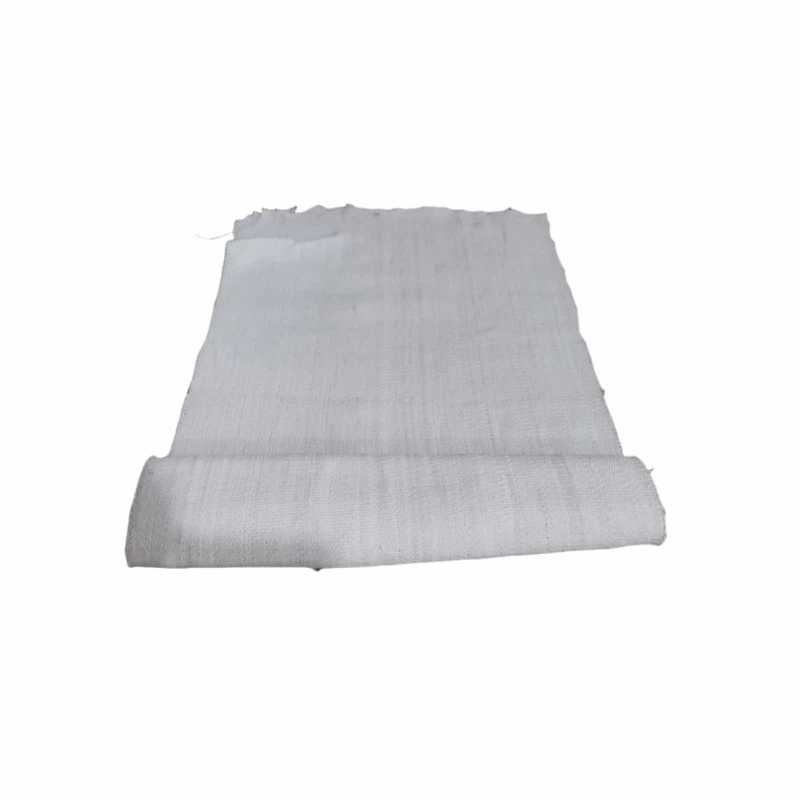
In addition to the relief valve block, there are other important accessories in a hydraulic system. For example, Single Layer Asbestos Cloth can be used for insulation purposes in high - temperature applications. PTFE Sheets are known for their excellent chemical resistance and low friction, which can be useful in sealing applications. Induction Furnace Assembly Copper Coil is an important component in induction heating applications, which may be part of a larger industrial hydraulic system.
Conclusion
In conclusion, the relief valve block is a crucial component in a hydraulic station. Its functions of overpressure protection, pressure regulation, system safety, and load - sensing make it an essential part of any hydraulic system. As a hydraulic station supplier, I am committed to providing high - quality relief valve blocks and other hydraulic components to ensure the safe and efficient operation of our customers' systems.
If you are in the market for a reliable hydraulic station or need to upgrade your existing system with a high - quality relief valve block, I encourage you to contact us for a consultation. Our team of experts can help you select the right relief valve block for your specific application and provide you with the necessary support and maintenance services.
References
- Fluid Power Handbook, published by the National Fluid Power Association.
- Hydraulic Systems and Components: Design and Application, by Joseph E. Shigley and Charles R. Mischke.