

Fiberglass insulation boards are widely recognized for their exceptional thermal insulation properties, making them a popular choice in various industries. As a leading supplier of fiberglass insulation boards, I am often asked about the thermal conductivity of these boards. In this blog post, I will delve into the concept of thermal conductivity, explain how it relates to fiberglass insulation boards, and discuss the factors that influence it.
Understanding Thermal Conductivity
Thermal conductivity, denoted by the symbol "k" or "λ", is a measure of a material's ability to conduct heat. It is defined as the quantity of heat (in watts) that passes through a unit area (in square meters) of a material per unit thickness (in meters) per unit temperature difference (in Kelvin or Celsius) across the material. The SI unit for thermal conductivity is watts per meter - Kelvin (W/(m·K)).
A material with a high thermal conductivity transfers heat quickly, while a material with a low thermal conductivity is a poor conductor of heat and acts as an insulator. For example, metals like copper and aluminum have high thermal conductivities (around 400 W/(m·K) for copper), which means they can efficiently transfer heat. On the other hand, materials used for insulation, such as fiberglass, have very low thermal conductivities, allowing them to resist the flow of heat.
Thermal Conductivity of Fiberglass Insulation Boards
Fiberglass insulation boards typically have a thermal conductivity ranging from 0.03 to 0.04 W/(m·K). This low value is due to the unique structure of fiberglass. Fiberglass is made up of fine glass fibers that trap air within their matrix. Air is a poor conductor of heat, and the numerous tiny air pockets in fiberglass insulation boards act as barriers to heat transfer.
The specific thermal conductivity of a fiberglass insulation board can vary depending on several factors, including the density of the board, the diameter of the glass fibers, and the type of binder used to hold the fibers together.
- Density: Generally, as the density of the fiberglass insulation board increases, its thermal conductivity decreases to a certain point. Higher - density boards have more fibers per unit volume, which can reduce the size of the air pockets and limit the movement of air molecules, thus reducing heat transfer by convection. However, if the density becomes too high, the fibers may start to touch each other more frequently, which can increase heat transfer by conduction through the fibers themselves.
- Fiber Diameter: Smaller - diameter glass fibers tend to result in lower thermal conductivity. Finer fibers create more numerous and smaller air pockets, which are more effective at reducing heat transfer.
- Binder Type: The binder used to hold the glass fibers together can also affect thermal conductivity. Some binders may have better insulating properties than others, and the amount of binder used can influence the overall performance of the insulation board.
Applications and Advantages in Different Industries
The low thermal conductivity of fiberglass insulation boards makes them suitable for a wide range of applications.
- Building and Construction: In the construction industry, fiberglass insulation boards are used to insulate walls, roofs, and floors. By reducing heat transfer between the interior and exterior of a building, they can help to maintain a comfortable indoor temperature, reduce energy consumption for heating and cooling, and lower utility bills. For example, in a cold climate, the insulation board can prevent the heat from escaping the building, while in a hot climate, it can block the external heat from entering.
- Industrial Equipment: Fiberglass insulation boards are also used to insulate industrial equipment such as furnaces, boilers, and pipes. In industrial settings, high - temperature equipment can lose a significant amount of heat if not properly insulated. Insulating these equipment with fiberglass boards can improve energy efficiency, reduce heat loss, and enhance the safety of the working environment. For instance, in an induction furnace, the insulation board can help to contain the heat within the furnace, improving its operational efficiency. Along with fiberglass insulation boards, other accessories like Coil Grout, Electric Furnace Reducer, and Golden Mica Sheet are also used to ensure the proper functioning and safety of the equipment.
- Transportation: In the transportation industry, fiberglass insulation boards can be used to insulate vehicles such as trucks, buses, and trains. This can help to maintain a stable temperature inside the vehicle, protect the passengers from external temperature variations, and improve the energy efficiency of the vehicle's heating and cooling systems.
Quality Control and Testing
As a supplier of fiberglass insulation boards, we understand the importance of ensuring the quality and performance of our products. We conduct rigorous quality control and testing procedures to guarantee that our insulation boards meet the specified thermal conductivity requirements.
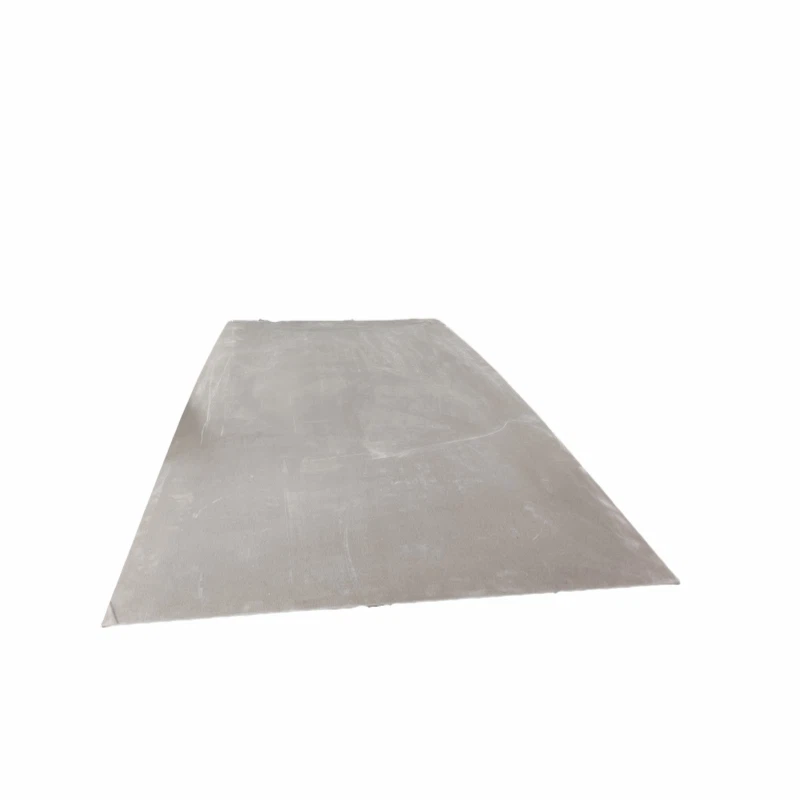

We use standardized testing methods, such as the guarded hot plate method or the heat flow meter method, to measure the thermal conductivity of our insulation boards. These methods involve creating a controlled temperature difference across the sample and measuring the heat flow through it. By regularly testing our products, we can ensure that they consistently provide the expected level of insulation performance.
Conclusion and Call to Action
In conclusion, the thermal conductivity of fiberglass insulation boards is a crucial property that determines their effectiveness as insulation materials. With a low thermal conductivity typically ranging from 0.03 to 0.04 W/(m·K), these boards offer excellent insulation performance in various applications.
Whether you are in the building and construction industry, industrial equipment manufacturing, or transportation, our high - quality fiberglass insulation boards can meet your insulation needs. We are committed to providing reliable products with consistent thermal performance. If you are interested in learning more about our fiberglass insulation boards or would like to discuss a potential purchase, please feel free to contact us. We look forward to working with you to find the best insulation solutions for your projects.
References
- Incropera, F. P., DeWitt, D. P., Bergman, T. L., & Lavine, A. S. (2007). Fundamentals of Heat and Mass Transfer. Wiley.
- ASHRAE Handbook: Fundamentals. American Society of Heating, Refrigerating and Air - Conditioning Engineers.