

As a supplier of PTFE sheets, I've witnessed a growing demand for these remarkable materials across various industries. PTFE, or polytetrafluoroethylene, is known for its outstanding chemical resistance, low friction coefficient, high-temperature tolerance, and excellent electrical insulation properties. When it comes to using PTFE sheets, welding them can be a crucial step in many applications, such as creating seals, gaskets, or custom-shaped components. In this blog, I'll explore the welding methods suitable for PTFE sheets, offering insights based on my experience in the industry.
Understanding PTFE Sheets
Before delving into the welding methods, it's essential to understand the nature of PTFE sheets. PTFE is a thermoplastic polymer with a high melting point (around 327°C or 621°F). Its unique molecular structure, consisting of carbon and fluorine atoms, gives it exceptional chemical stability and non-stick properties. These characteristics, however, also make it challenging to weld compared to other plastics.
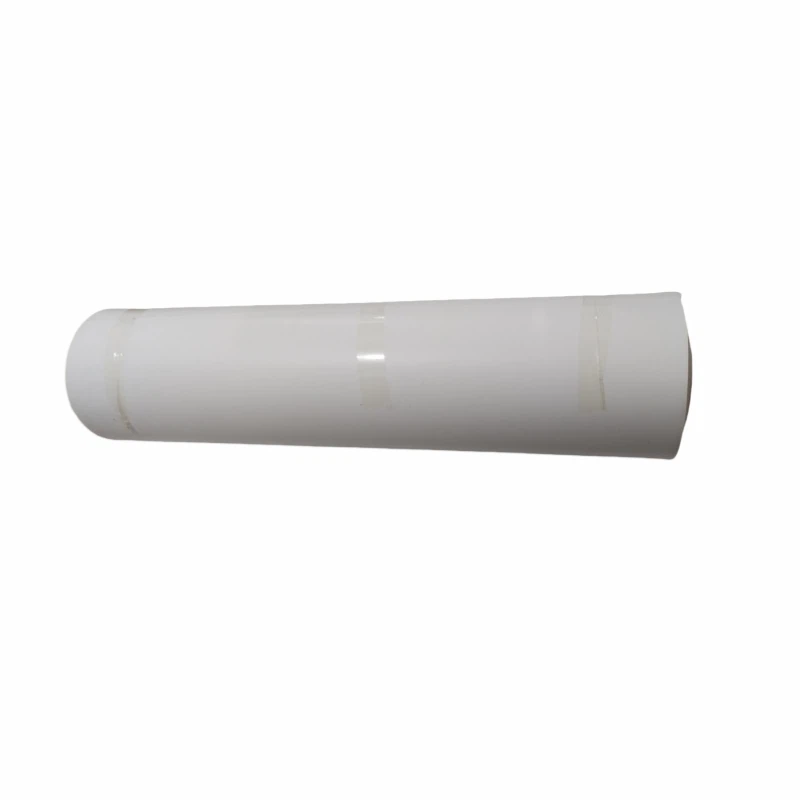
PTFE sheets are available in various thicknesses and sizes, and they can be customized to meet specific requirements. You can find them on our website at PTFE Sheets. They are widely used in industries such as chemical processing, food and beverage, electrical and electronics, and aerospace, among others.
Welding Methods for PTFE Sheets
Hot Plate Welding
Hot plate welding is one of the most common methods used for joining PTFE sheets. In this process, a heated plate is placed between the two PTFE sheets to be welded. The heat from the plate softens the surfaces of the sheets, and then pressure is applied to fuse them together. Once the sheets are bonded, the hot plate is removed, and the joint is allowed to cool and solidify.
One of the advantages of hot plate welding is that it can produce strong and reliable joints. It is suitable for welding large or complex-shaped PTFE components. However, it requires specialized equipment and careful control of temperature and pressure to ensure a good weld. The temperature must be precisely set to avoid overheating or underheating the PTFE, which can affect the quality of the joint.
Infrared Welding
Infrared welding uses infrared radiation to heat the PTFE sheets. An infrared heater emits radiation that is absorbed by the PTFE, causing it to melt at the surface. Once the surfaces are molten, pressure is applied to join the sheets together.
This method offers several benefits. It is a non-contact heating process, which means there is no physical contact between the heating source and the PTFE sheets, reducing the risk of contamination. Infrared welding is also relatively fast and can be automated, making it suitable for high-volume production. Additionally, it can provide a more uniform heating compared to some other methods, resulting in consistent weld quality.
However, infrared welding may require more precise alignment of the sheets and careful adjustment of the infrared heater to ensure proper heating. The cost of the infrared welding equipment can also be relatively high.
Ultrasonic Welding
Ultrasonic welding is a fast and efficient method for joining PTFE sheets. It works by applying high-frequency ultrasonic vibrations to the sheets at the joint area. The vibrations generate heat through friction, which melts the PTFE and allows the sheets to bond together under pressure.
One of the main advantages of ultrasonic welding is its speed. It can produce welds in a matter of seconds, making it ideal for mass production. It also requires less energy compared to some other welding methods. Ultrasonic welding can create strong and hermetic seals, which is important in applications where leakage prevention is crucial.
However, ultrasonic welding is more suitable for smaller PTFE components or joints. The size and shape of the parts can affect the effectiveness of the welding process. Additionally, the equipment for ultrasonic welding can be expensive, and proper tooling design is required to ensure good weld quality.
Induction Welding
Induction welding involves using an induction coil to generate an alternating magnetic field. When a PTFE sheet with a conductive filler or a metal insert is placed in the magnetic field, eddy currents are induced in the conductive material, generating heat. This heat melts the PTFE around the conductive element, and pressure is applied to form a weld.
Induction welding offers several advantages. It can provide precise control over the heating process, allowing for localized heating and minimizing heat damage to the surrounding areas. It is also a fast and efficient method, suitable for high-speed production. You can find more information about induction furnace assembly copper coils, which are related to induction welding applications, at Induction Furnace Assembly Copper Coil.
However, induction welding requires the use of a conductive filler or metal insert, which may not be suitable for all applications. The cost of the induction welding equipment can also be relatively high.
Considerations for Welding PTFE Sheets
When choosing a welding method for PTFE sheets, several factors need to be considered:
Joint Design
The design of the joint plays a crucial role in the welding process. The shape, size, and geometry of the joint can affect the ease of welding and the strength of the final bond. For example, a butt joint may require different welding parameters compared to a lap joint.

Material Thickness
The thickness of the PTFE sheets can also influence the choice of welding method. Thicker sheets may require more heat and pressure to achieve a proper weld, while thinner sheets may be more susceptible to damage during the welding process.
Application Requirements
The specific requirements of the application, such as chemical resistance, temperature tolerance, and mechanical strength, should be taken into account. For example, if the welded component will be exposed to harsh chemicals, a welding method that can provide a strong and chemically resistant joint is essential.
Production Volume
The production volume is another important factor. If you need to produce a large number of welded PTFE components, a fast and automated welding method, such as ultrasonic welding or infrared welding, may be more suitable. On the other hand, if you are producing small batches or custom-made components, a more flexible method like hot plate welding may be a better choice.
Complementary Materials and Their Role
In addition to PTFE sheets, other materials can play a role in the welding process or in the final application. For example, Golden Mica Sheet can be used in combination with PTFE sheets in some electrical applications. Mica has excellent electrical insulation properties and can enhance the overall performance of the component.
Conclusion
Welding PTFE sheets requires careful consideration of the welding method, joint design, material thickness, application requirements, and production volume. Each welding method has its own advantages and limitations, and the choice depends on the specific needs of your project. As a PTFE sheets supplier, we are committed to providing high-quality materials and technical support to help you achieve the best results in your welding applications.
If you are interested in purchasing PTFE sheets or have any questions about welding them, please don't hesitate to contact us for a procurement discussion. We have a team of experts who can assist you in selecting the right materials and welding methods for your specific requirements.
References
- "Plastics Welding Handbook" by George E. Totten
- "Handbook of Thermoplastics" edited by O. Olabisi