

Hey there! As a supplier of hydraulic stations, I often get asked about the installation space requirements for these important pieces of equipment. In this blog post, I'm gonna break down everything you need to know about the space needed to install a hydraulic station properly.
First off, let's talk about why the installation space is such a big deal. A hydraulic station is a complex system that consists of a hydraulic pump, motor, reservoir, valves, and other components. These parts work together to generate and control hydraulic power, which is used in a wide range of applications, from industrial machinery to construction equipment. If the installation space isn't right, it can lead to all sorts of problems, like poor performance, increased maintenance, and even safety hazards.
So, what factors should you consider when determining the installation space for a hydraulic station? Well, there are a few key things to keep in mind.
Size of the Hydraulic Station
The most obvious factor is the physical size of the hydraulic station itself. Hydraulic stations come in all shapes and sizes, depending on their capacity and the specific application they're designed for. Before you start planning the installation space, you need to know the exact dimensions of the hydraulic station you're gonna use. This includes the length, width, and height of the unit, as well as any additional space needed for access panels, maintenance, and ventilation.
For example, if you're using a small hydraulic station for a simple automation system, it might only take up a few square feet of floor space. On the other hand, a large industrial hydraulic station with a high-capacity pump and a big reservoir could require a much larger area. Make sure you get the detailed specifications from the manufacturer to accurately plan the space.
Clearance and Access
In addition to the size of the hydraulic station, you also need to consider the clearance and access around the unit. You'll need enough space to open the access panels for maintenance and repairs, as well as to move any tools or replacement parts in and out. A good rule of thumb is to leave at least 1 - 2 feet of clearance on all sides of the hydraulic station.
Also, think about how you're gonna access the hydraulic station. If it's located in a hard - to - reach area, it can make maintenance a real pain. You might need to install ramps, platforms, or other access equipment to ensure easy and safe access.
Ventilation Requirements
Hydraulic stations generate heat during operation, and proper ventilation is crucial to keep the components cool and prevent overheating. The amount of ventilation needed depends on the size and power of the hydraulic station.
For smaller hydraulic stations, natural ventilation might be sufficient. This could involve placing the unit near an open window or in a well - ventilated area. However, for larger and more powerful hydraulic stations, you might need to install a ventilation system, such as exhaust fans or air - conditioning units. These systems help to remove the hot air and bring in fresh, cool air to maintain a stable operating temperature.
Noise Considerations
Hydraulic stations can be noisy, especially when the pump is running at high speeds. If the installation space is in an area where noise is a concern, like an office or a residential area, you'll need to take steps to reduce the noise level.
One option is to install the hydraulic station in a sound - proof enclosure. These enclosures are designed to absorb and dampen the noise generated by the hydraulic system. Another option is to use vibration - isolating mounts to reduce the transmission of noise through the floor and walls.
Integration with Other Equipment
In many cases, the hydraulic station will need to be integrated with other equipment, such as control panels, actuators, and sensors. You need to make sure there's enough space to connect all the necessary pipes, hoses, and electrical cables.
For example, if you're using a hydraulic station to power a hydraulic press, you'll need to run the hydraulic lines from the station to the press. These lines need to be installed in a way that minimizes bends and kinks, which can reduce the efficiency of the system. Also, make sure there's enough space for the electrical connections to the control panel and other components.

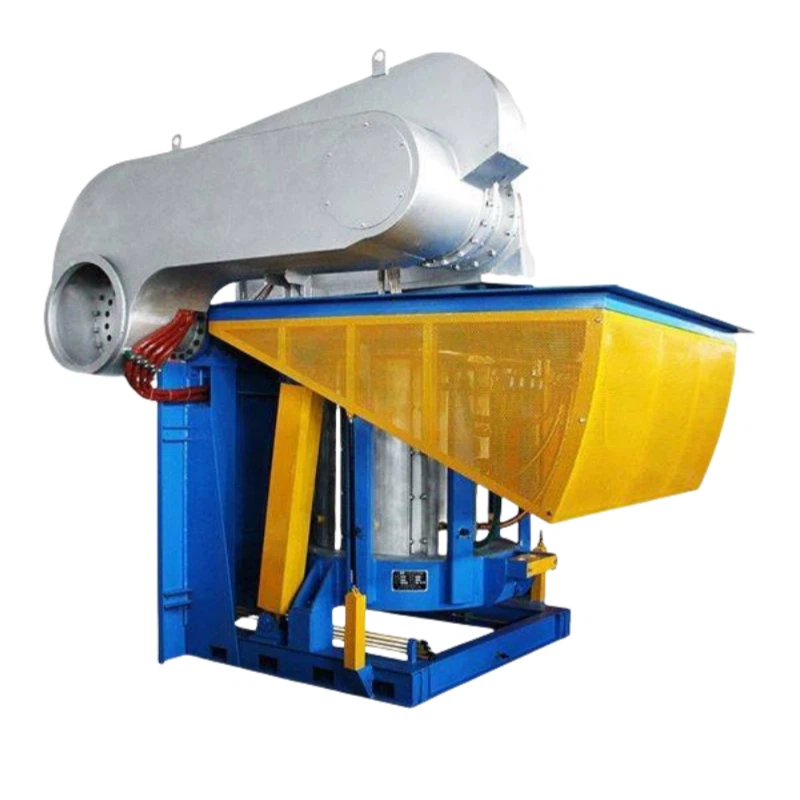
Now, let's talk about some specific examples of installation spaces for different types of hydraulic stations.
Small - Scale Hydraulic Stations
For small - scale hydraulic stations used in laboratory equipment or small automation systems, a dedicated corner in a workshop or a small room might be sufficient. These stations usually don't require a lot of space for ventilation or noise reduction, as they're relatively small and not very powerful.
However, you still need to make sure there's enough clearance for maintenance and that the area is clean and dry to prevent damage to the components.
Medium - Scale Hydraulic Stations
Medium - scale hydraulic stations, like those used in some industrial machinery, often need a more dedicated space. A small industrial shed or a section of a larger factory floor can work well. You'll need to ensure proper ventilation, either through natural means or by installing exhaust fans.
Also, since these stations are usually more powerful, they might generate more noise. Consider using sound - proofing materials or vibration - isolating mounts to reduce the noise impact.
Large - Scale Hydraulic Stations
Large - scale hydraulic stations, such as those used in heavy construction equipment or large industrial plants, require a significant amount of space. They often need their own dedicated room or even a separate building.
These stations need extensive ventilation systems to keep the components cool, and noise reduction measures are a must. You'll also need to plan for easy access to the station for maintenance and repairs, as well as enough space to store spare parts.
If you're in the market for a hydraulic station and need help with the installation space planning, don't hesitate to reach out. We're here to provide you with all the information and support you need. Whether you're looking for a small - scale hydraulic station for a simple project or a large - scale industrial unit, we've got the right solution for you.
And while you're at it, if you're also involved in the induction furnace industry, check out some of our related products. You can learn more about Induction Furnace Dust Removal Hood, Induction Furnace Refractory Lining, and Stainless Steel Bolts.
So, if you're interested in purchasing a hydraulic station or have any questions about the installation space requirements, just get in touch. We're ready to start a conversation and help you find the best hydraulic solution for your needs.
References
- Hydraulic Systems Handbook, various industry experts
- Manufacturer's specifications for hydraulic stations
- Industry standards for installation and maintenance of hydraulic equipment